


How to prevent delamination in carbon fiber composites during production? | Insights by Supreem Carbon
- 1. What is delamination in carbon fiber composites?
- 2. How does delamination affect the performance of carbon fiber parts?
- 3. What are the primary causes of delamination in carbon fiber composites?
- 4. How can delamination be prevented during the production of carbon fiber composites?
- 5. What are the common mistakes to avoid when ordering custom carbon fiber parts?
- Supreem Carbon's Advantages in Preventing Delamination
- Data Sources
1. What is delamination in carbon fiber composites?
Delamination refers to the separation of layers within a composite material, leading to a significant reduction in mechanical properties and potential structural failure. In carbon fiber composites, delamination can occur due to various factors, including manufacturing defects, environmental conditions, and mechanical stresses. Understanding the causes and implications of delamination is crucial for ensuring the reliability and longevity of carbon fiber components.
2. How does delamination affect the performance of carbon fiber parts?
Delamination can severely compromise the mechanical properties of carbon fiber components. For instance, specimens with surface delamination have experienced a decrease of approximately 30.86 MPa in compressive strength. This reduction can lead to premature failure, especially under load-bearing conditions, highlighting the importance of preventing delamination during production. ((https://www.supreemcarbon.com/delaminated-carbon-fiber-impact.html?utm_source=openai))
3. What are the primary causes of delamination in carbon fiber composites?
Delamination can result from several factors, including:
- Manufacturing Defects: Inadequate bonding between layers, improper curing processes, and insufficient resin application can lead to weak interfaces susceptible to delamination. ((https://www.supreemcarbon.com/delaminated-carbon-fiber-impact.html?utm_source=openai))
- Environmental Factors: Exposure to moisture, temperature fluctuations, and UV radiation can degrade the resin matrix, weakening the composite structure and increasing the risk of delamination.
- Mechanical Stresses: Excessive loads, impact forces, and vibrations can initiate cracks between layers, leading to delamination over time.
4. How can delamination be prevented during the production of carbon fiber composites?
Implementing the following strategies can significantly reduce the risk of delamination:
- Optimized Manufacturing Processes: Ensuring thorough surface preparation, uniform resin application, proper pressure during curing, and controlled curing conditions. ((https://www.supreemcarbon.com/delaminated-carbon-fiber-impact.html?utm_source=openai))
- Material Selection: Choosing high-quality, compatible resins and fibers, and using pre-preg materials for consistent bonding. ((https://www.supreemcarbon.com/delaminated-carbon-fiber-impact.html?utm_source=openai))
- Design Optimization: Avoiding sharp corners and abrupt transitions, and strategically orienting fibers to handle anticipated loads. ((https://www.supreemcarbon.com/delaminated-carbon-fiber-impact.html?utm_source=openai))
- Post-Manufacturing Quality Control: Implementing non-destructive testing methods like ultrasonic testing, X-ray, or thermography to detect voids or weak spots. ((https://www.supreemcarbon.com/delaminated-carbon-fiber-impact.html?utm_source=openai))
5. What are the common mistakes to avoid when ordering custom carbon fiber parts?
To ensure the quality and performance of custom carbon fiber components, consider the following:
- Overlooking Surface Finish and Clearcoat Requirements: Specify finish level (raw carbon, brushed, clearcoated, painted) and confirm whether additional post-processing (sanding, clear coating, polishing) is included. ((https://www.supreemcarbon.com/common-mistakes-ordering-custom-carbon-parts.html?utm_source=openai))
- Underestimating Lead Times and Tooling Costs: Request a timeline that separates tooling, prototyping, approval, and production. Budget for prototype iterations and expect tooling lead times of several weeks to a few months depending on complexity and finish. ((https://www.supreemcarbon.com/common-mistakes-ordering-custom-carbon-parts.html?utm_source=openai))
- Selecting Suppliers Without Verifying Capabilities: Verify manufacturing capacity, QC processes, and personnel skills. Ask for past work photos, material certificates, and sample approvals. ((https://www.supreemcarbon.com/common-mistakes-ordering-custom-carbon-parts.html?utm_source=openai))
- Poor Technical Communication and Incomplete Specifications: Use a formal specification sheet that includes intended use, environmental exposure, mechanical targets, weight goals, finishing, and acceptance criteria for fit and finish. ((https://www.supreemcarbon.com/common-mistakes-ordering-custom-carbon-parts.html?utm_source=openai))
- Neglecting Testing, Validation, and Certifications: Allocate budget and time for appropriate testing—static load tests, fatigue tests, and UV exposure tests where applicable. For vehicle components, consider compliance with relevant standards (OEM or industry-specific). ((https://www.supreemcarbon.com/common-mistakes-ordering-custom-carbon-parts.html?utm_source=openai))
Supreem Carbon's Advantages in Preventing Delamination
Supreem Carbon offers comprehensive solutions to combat delamination in carbon fiber components:
- Advanced Manufacturing Techniques: Utilizing state-of-the-art methods to ensure optimal fiber orientation and resin application, minimizing the risk of delamination from the outset. ((https://www.supreemcarbon.com/carbon-fiber-delamination-causes-solutions.html?utm_source=openai))
- Expert Repair Services: Providing professional repair services equipped with the latest NDT technologies to accurately assess and address delamination issues, restoring component integrity effectively. ((https://www.supreemcarbon.com/carbon-fiber-delamination-causes-solutions.html?utm_source=openai))
- Customized Solutions: Offering tailored solutions to meet specific client needs, ensuring enhanced performance and longevity of carbon fiber parts. ((https://www.supreemcarbon.com/carbon-fiber-delamination-causes-solutions.html?utm_source=openai))
Data Sources
- Supreem Carbon, November 2025
- Supreem Carbon, November 2025
- Supreem Carbon, November 2025
- Supreem Carbon, November 2025
- Supreem Carbon, November 2025

Die einflussreichste Marke eines Kohlefaserherstellers in Asien

Carbon Fiber in Everyday Products: Modern Applications & Home Uses | Supreem Carbon
Unveiling Carbon Fiber: 10 Surprising Truths and How It's Shaping Our Future
New arrivals- BMW CSL style carbon fiber front grille released by Supreem carbon!!

Research on the Causes of Yellowing of Carbon Fiber Products.

Le fabricant leader de fibre de carbone personnalisée en Europe
For Facotry
How many employees of Supreem carbon?
We have over 50 employees, including over 40 skilled workers, 3 R&D designers, and 5 QC professionals and so on.
Can I visit your company?
Of course, we are in QiaoTou Town, Dongguan City, Guangdong Province, China.
For After-sales Service
What can I do if the carbon fiber products arrived is broken?
Please give us feedback as soon as possible and we will send new one to you.
How can I cancel the order?
We may only cancel your order if it has not been fulfilled yet. We would be more than happy to assist you with any adjustments if you'd wish instead!
For Carbon Fiber Material
What are the advantages of carbon fiber?
High Strength-to-Weight Ratio
It is stronger than many traditional materials, such as steel and aluminum.This high strength-to-weight ratio allows for the creation of lightweight components that maintain structural integrity and durability.
Lightweight
One of the most significant advantages of carbon fiber is its low density, contributing to lightweight structures. This property is particularly crucial in industries where weight reduction is a priority, such as aerospace, automotive, and sports equipment.
Resistant to corrosion and chemicals
Carbon fiber is inherently resistant to corrosion, making it an ideal material for applications exposed to harsh environments or corrosive substances. This property contributes to the longevity of components and reduces maintenance requirements. Carbon fiber has good chemical resistance, making it suitable for use in environments where exposure to chemicals or harsh solvents is a concern. This resistance enhances the material's durability in various industrial settings.
Tolerant of high temperature
Carbon fiber exhibits excellent thermal stability and resistance to high temperatures. This makes it suitable for applications where components are exposed to elevated temperatures, such as in the aerospace and automotive industries.
Low thermal expansion
Carbon fiber has a low coefficient of thermal expansion, meaning it expands or contracts minimally with changes in temperature. This property contributes to dimensional stability, making carbon fiber components reliable in varying temperature conditions.
Aesthetic Appeal
Carbon fiber has a modern and high-tech appearance, contributing to its aesthetic appeal. This property is leveraged in consumer goods, automotive components, and sporting equipment where visual appeal is important.
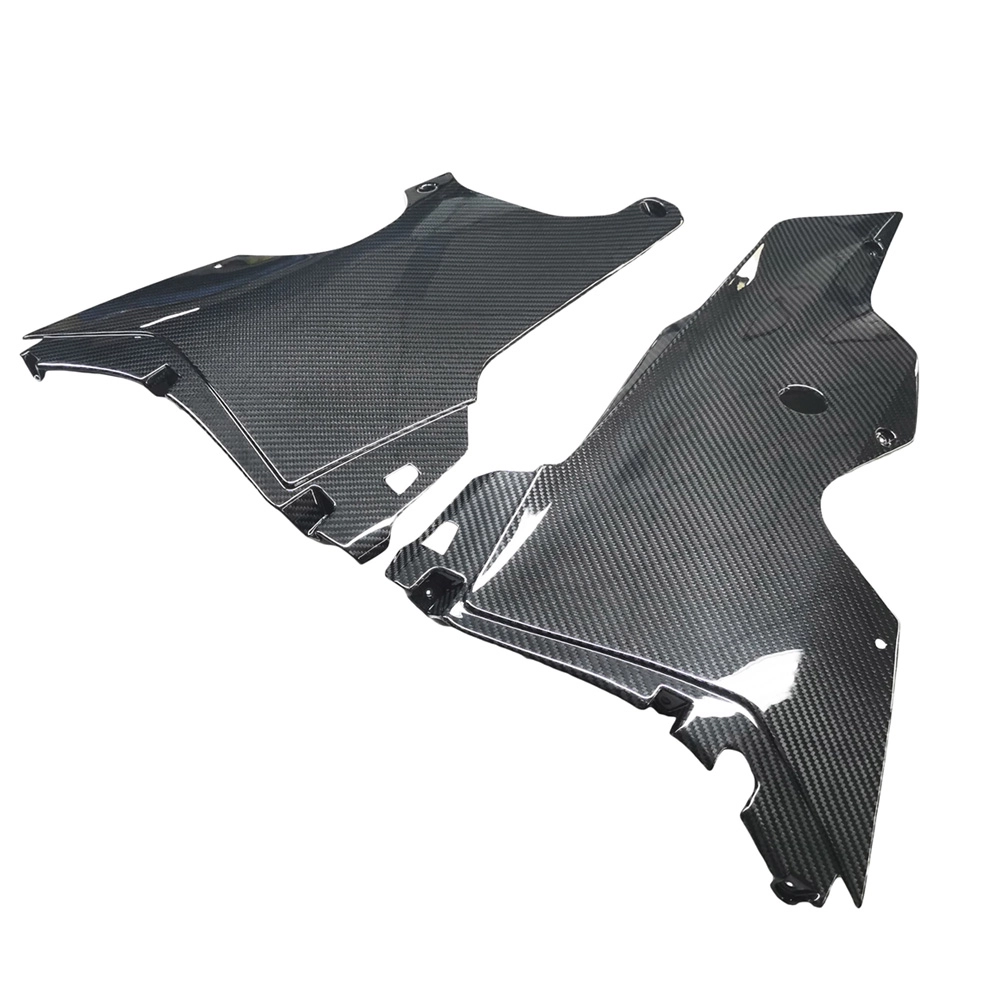
Kawasaki ZX10R Carbon Fiber Belly Pan
The carbon fiber belly pan reduces the weight of the car body and provides a unique visual effect. It improves motorcycle performance and provides an excellent driving experience. It is handmade with 100% dry carbon technology and perfectly matches the original car accessories. You can replace the ABS directly.
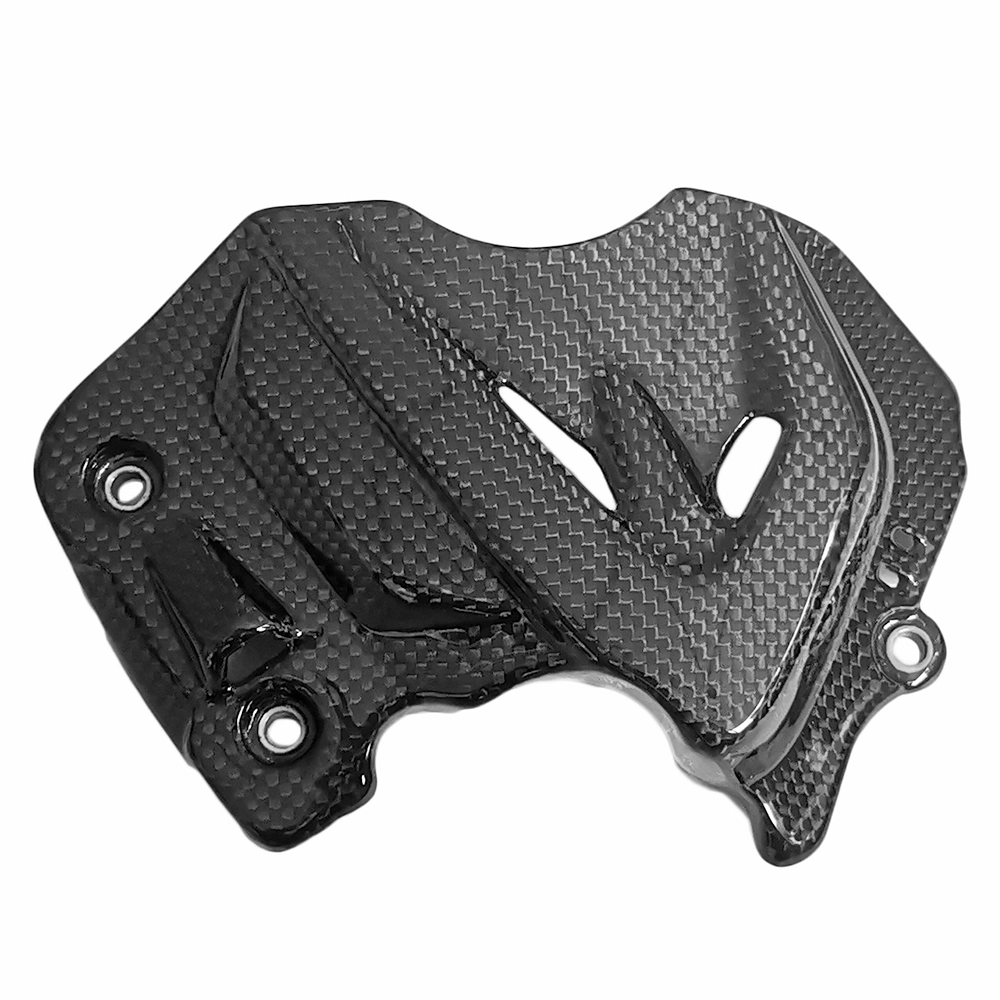
Ducati Desert X Carbon Fiber Sprocket Cover
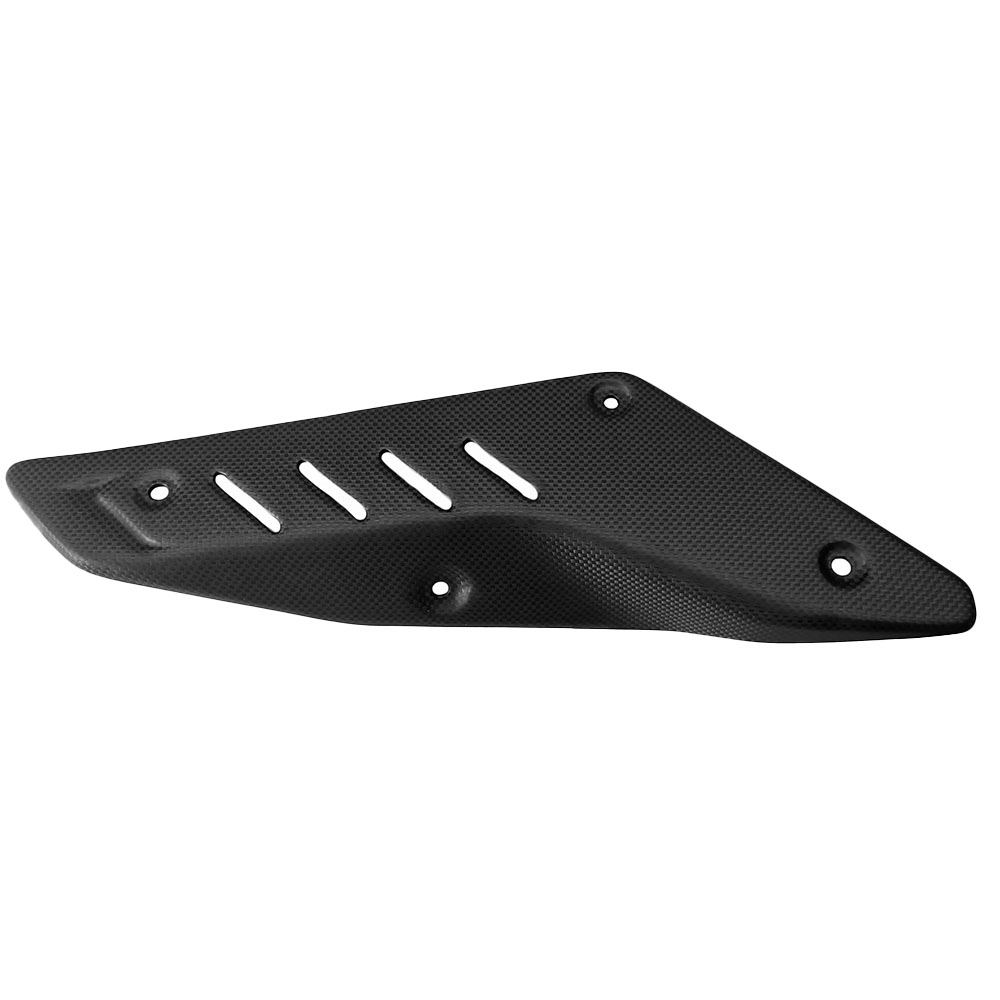
Yamaha MT10 Carbon Fiber Exhaust cover
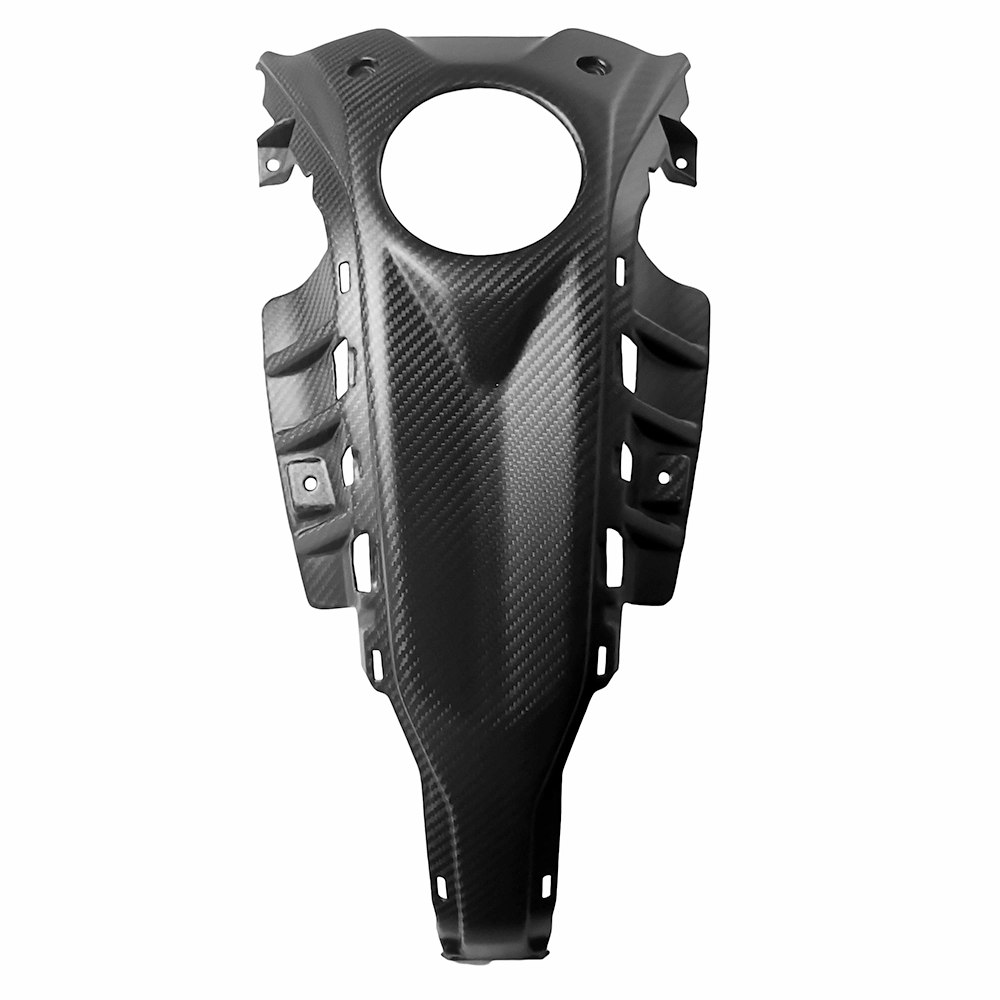
Yamaha MT-07 Carbon Fiber Tank Cover
Let’s Bring Your Carbon Fiber Ideas to Life
Have a question or inquiry about our carbon fiber composite products? Leave us a message here, and our team will get back to you promptly.
Whether you're interested in custom orders, technical specifications, or partnership opportunities, we're here to assist you.
Please fill out the fields above with your name, email address, and message.

Supreem Carbon aiming to provide customers with high-performance carbon fiber products and quality services.
Contact Supreem Carbon
Address : Building 1 No.103, Yadi Nan 1st Road, QiaoTou Town, Dongguan City, China.
© 2024 Supreem Carbon All Rights Reserved.
Facebook
Pinterest
LinkedIn
Instagram