



What environmental impacts does carbon fiber manufacturing have?
- Understanding the Environmental Impact of Carbon Fiber Manufacturing
- 1. What are the primary environmental impacts of carbon fiber manufacturing?
- 2. How does carbon fiber manufacturing affect waste disposal?
- 3. What are the challenges associated with recycling carbon fiber?
- 4. How can the environmental impact of carbon fiber manufacturing be minimized?
- 5. What role does Supreem Carbon play in promoting sustainability?
Understanding the Environmental Impact of Carbon Fiber Manufacturing
Carbon fiber is renowned for its strength-to-weight ratio and durability, making it a preferred material in industries such as aerospace, automotive, and sports equipment. However, the manufacturing process of carbon fiber presents several environmental challenges that are crucial for industry stakeholders to understand.
1. What are the primary environmental impacts of carbon fiber manufacturing?
The production of carbon fiber involves several stages, each contributing to its environmental footprint:
Energy Consumption: The manufacturing process is highly energy-intensive, requiring between 2.1 to 132.8 kWh of energy to produce just one kilogram of carbon fiber, with some instances reaching as high as 319.6 kWh.
Greenhouse Gas Emissions: Producing one kilogram of carbon fiber results in the emission of 24.4 to 31.0 kilograms of CO₂.
Chemical Emissions: The process releases toxic chemicals such as hydrogen cyanide (HCN), ammonia (NH₃), and volatile organic compounds (VOCs), which can be harmful to both human health and the environment.
2. How does carbon fiber manufacturing affect waste disposal?
Carbon fiber's durability poses significant challenges for waste management. Unlike traditional materials like steel or aluminum, carbon fiber is not easily recyclable due to its composite nature, often combined with resins, making it difficult to separate and process. Consequently, end-of-life carbon fiber products frequently end up in landfills, where they can take hundreds of years to decompose.
3. What are the challenges associated with recycling carbon fiber?
Recycling carbon fiber is complex and energy-intensive. Methods such as pyrolysis, which involves burning off the resin coating in an oxygen-less environment, and solvolysis, using strong chemicals, are employed to reclaim fibers. However, these processes can degrade the fibers, reducing their mechanical properties and limiting their reuse in high-performance applications. Additionally, the lack of established recycling infrastructure and the high costs associated with these methods hinder large-scale recycling efforts.
4. How can the environmental impact of carbon fiber manufacturing be minimized?
Several strategies can help reduce the environmental footprint of carbon fiber production:
Energy Efficiency: Implementing advanced manufacturing processes, such as microwave heating, can reduce energy consumption by up to 50% and decrease CO₂ emissions by 90%.
Recycling Initiatives: Developing cost-effective recycling technologies and establishing recycling infrastructure can facilitate the reuse of carbon fibers, conserving resources and reducing waste.
Sustainable Practices: Adopting design-for-recycling strategies and utilizing renewable energy sources in manufacturing can further mitigate environmental impacts. ((https://www.supreemcarbon.com/carbon-fiber-recycling-aerospace.html))
5. What role does Supreem Carbon play in promoting sustainability?
Supreem Carbon is committed to advancing sustainable practices in the carbon fiber industry. The company invests in innovative recycling technologies, such as pyrolysis and solvolysis, to reclaim carbon fibers efficiently. Additionally, Supreem Carbon emphasizes the use of renewable energy sources in its manufacturing processes and collaborates with industry partners to develop and implement design-for-recycling strategies. These efforts aim to reduce the environmental impact of carbon fiber production and promote a more sustainable future for the industry. ((https://www.supreemcarbon.com/carbon-fiber-recycling-aerospace.html))
Understanding the environmental challenges associated with carbon fiber manufacturing is essential for industry stakeholders. By adopting sustainable practices and supporting recycling initiatives, the industry can mitigate its environmental footprint and contribute to a greener future.
For more information on sustainable carbon fiber solutions, visit Supreem Carbon's website.

Carbon Fiber Helmet produced by Supreem Carbon.

Ducati DesertX 2022 new arrivals!
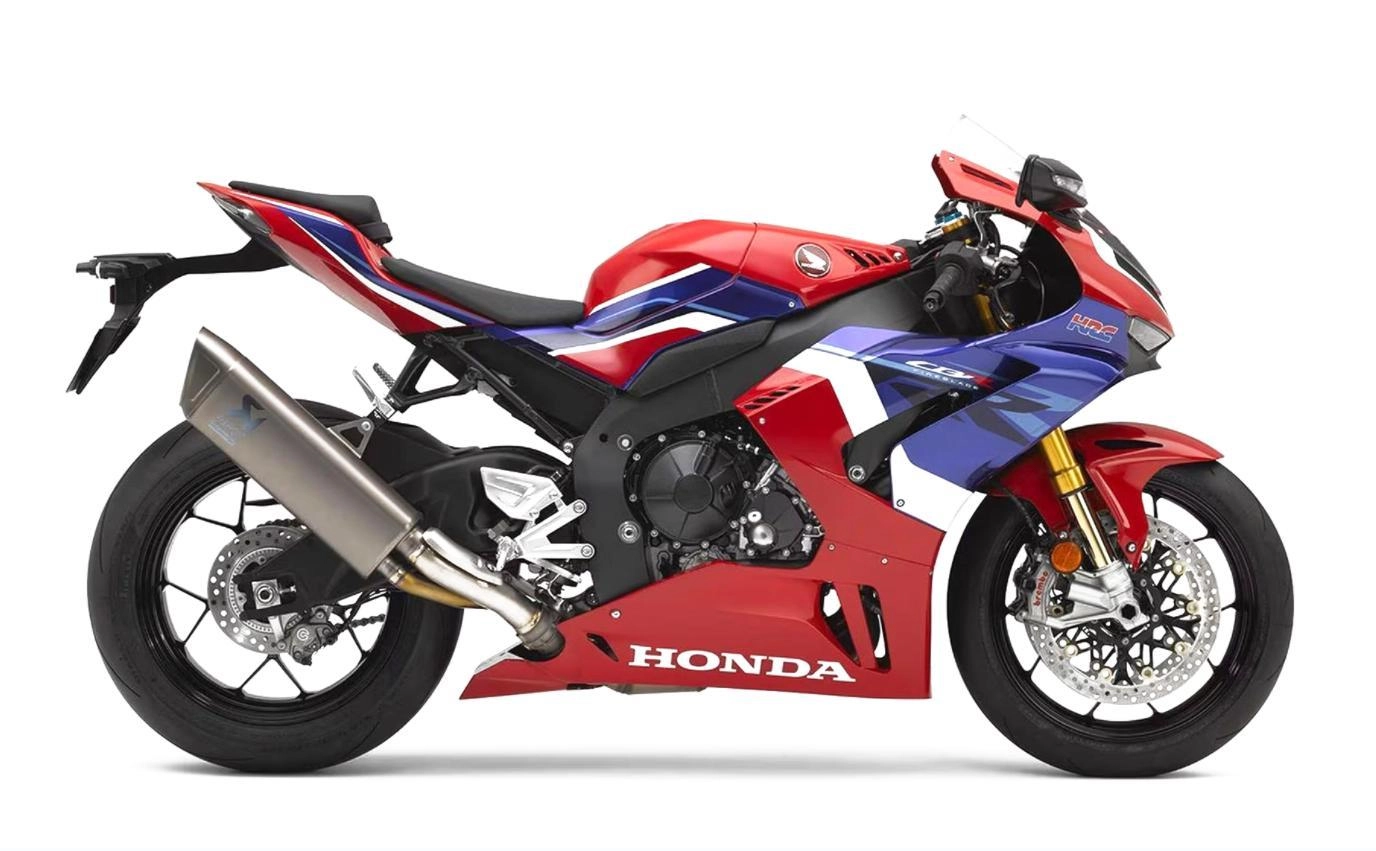
How Long Do Carbon Fiber Parts Last? | Supreem Carbon
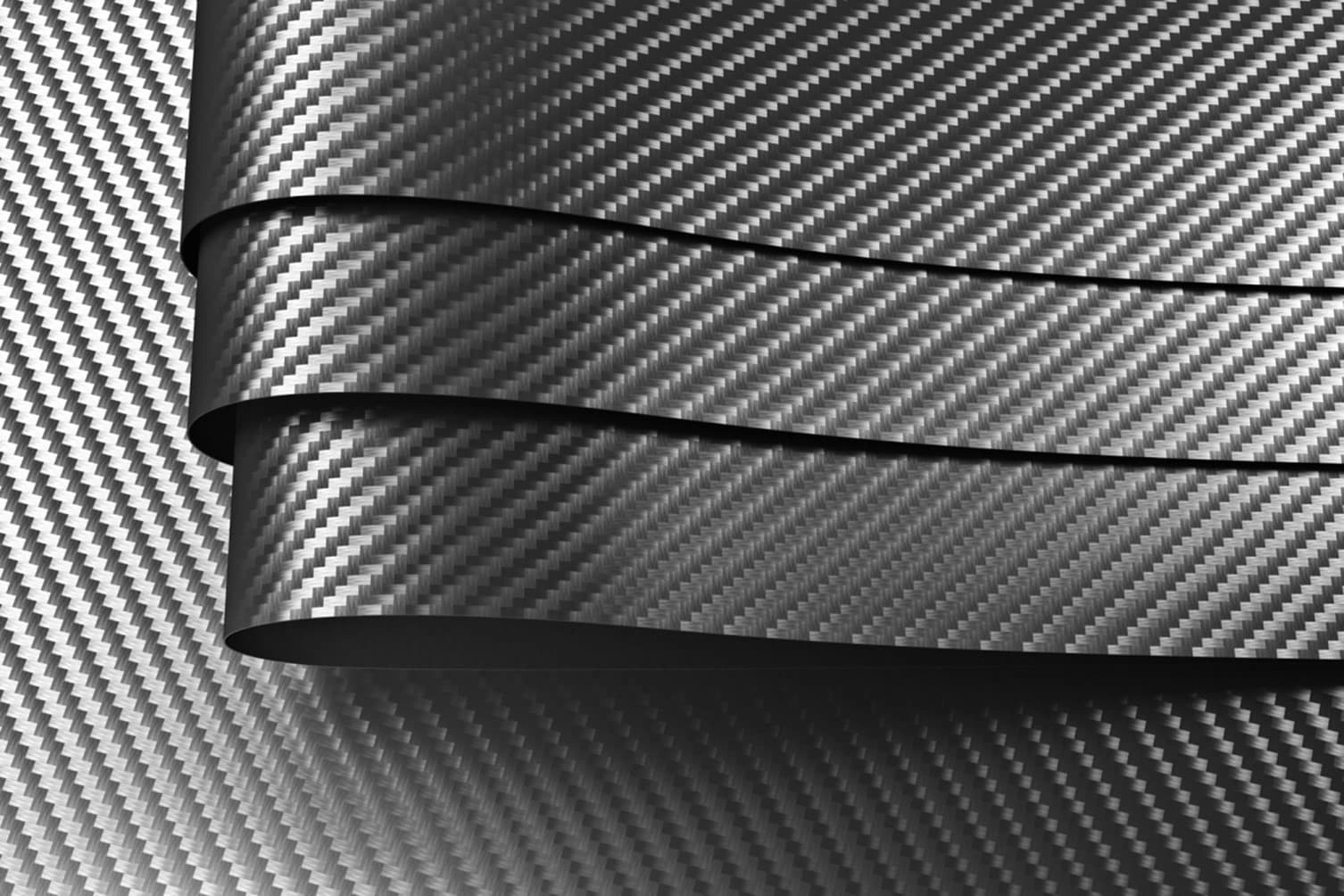
The Advantages of Carbon Fiber Materials—Insights from Industry Experts
What does carbon fiber do for a motorcycle?
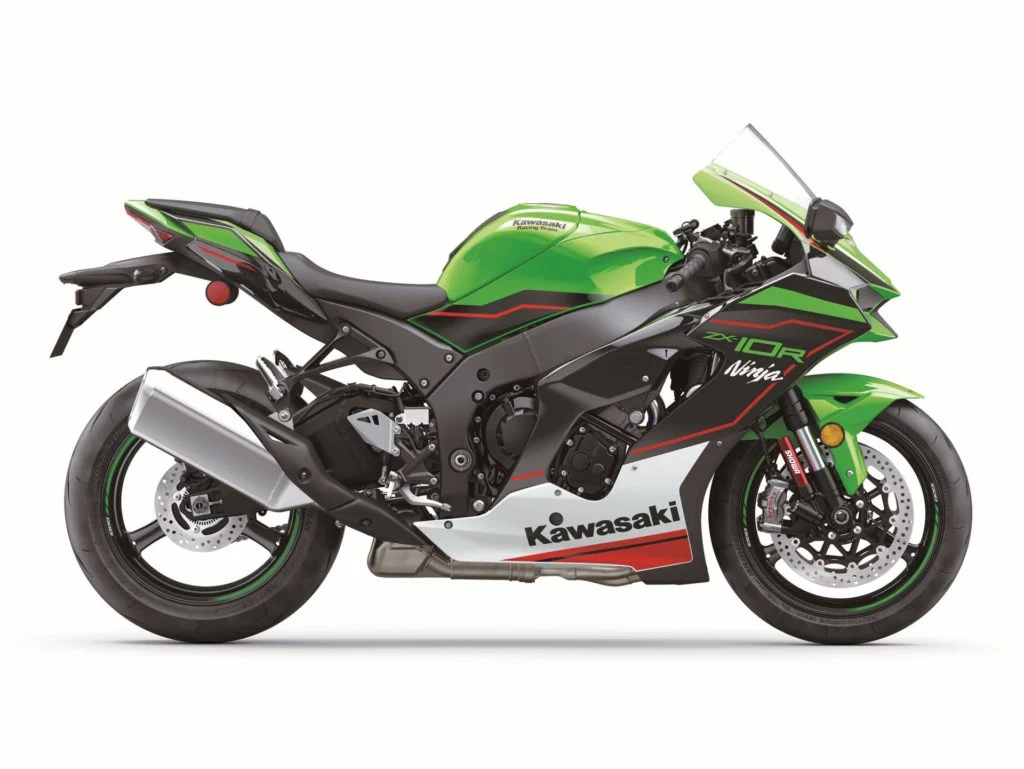
New Motorcycle Carbon Fiber Parts released!
For Products
Supreem Carbon parts produce by 100% carbon?
Yes,all products are made from full carbon with dry carbon.
How can I get some sample?
Actually we dont provide the free sample to customer, you can place a sample order if need some parts.
For Facotry
When is Supreem carbon founded?
Our company formally established in early 2017.
For Customized Service
What custom customer need to prepare?
1. Send Your Design/Idea/3D drawing.
2. Supplier Quotation Confirmation.
3. Firts Sample Feedback.
For After-sales Service
Do you offer a warranty?
Six month standard warranty on all products. Damage due to installation error or natural elements will not be covered.
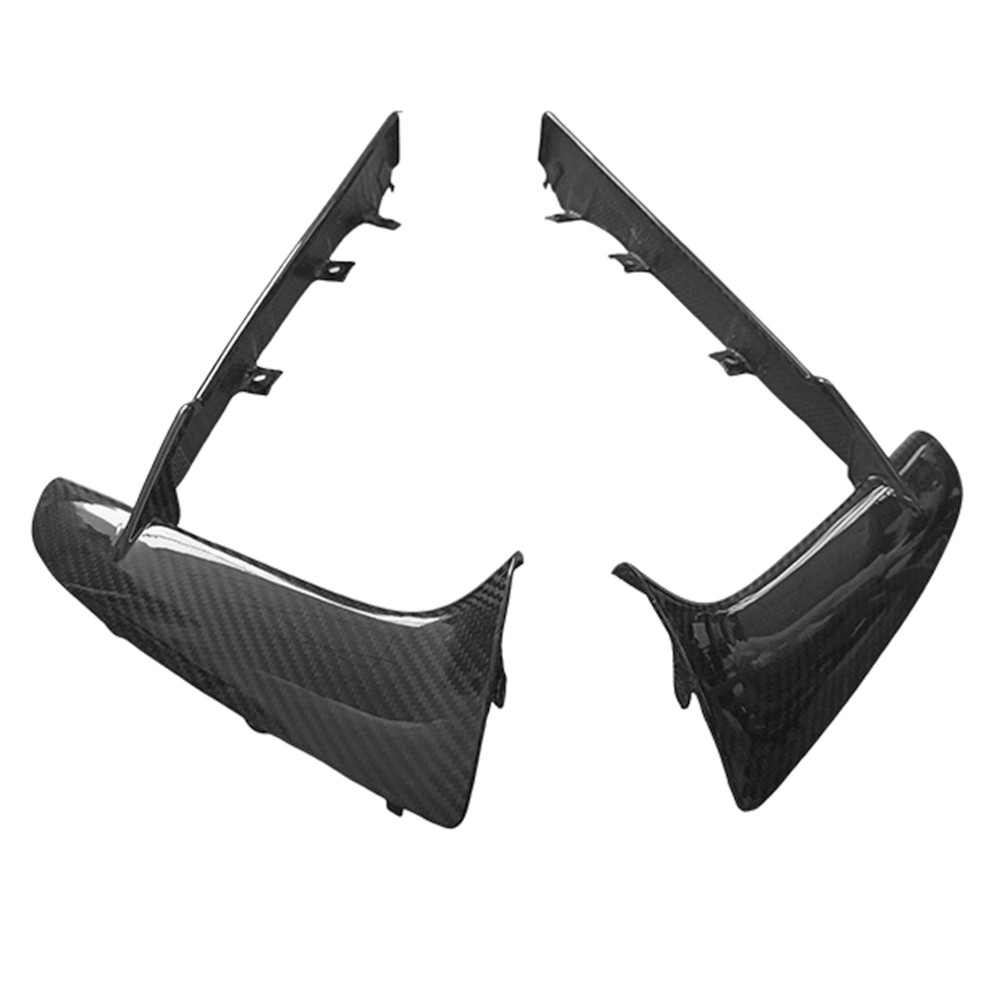
Chevrolet Corvette C8 Carbon Fiber Bumper Trim Customization
This carbon fiber front grill trim fits C8 OEM parts. Our products are not only lighter than ABS, but they are also corrosion-resistant and have a UV-protective coating. 100% handmade, dry-carbon autoclave process. It can directly replace original vehicle parts.
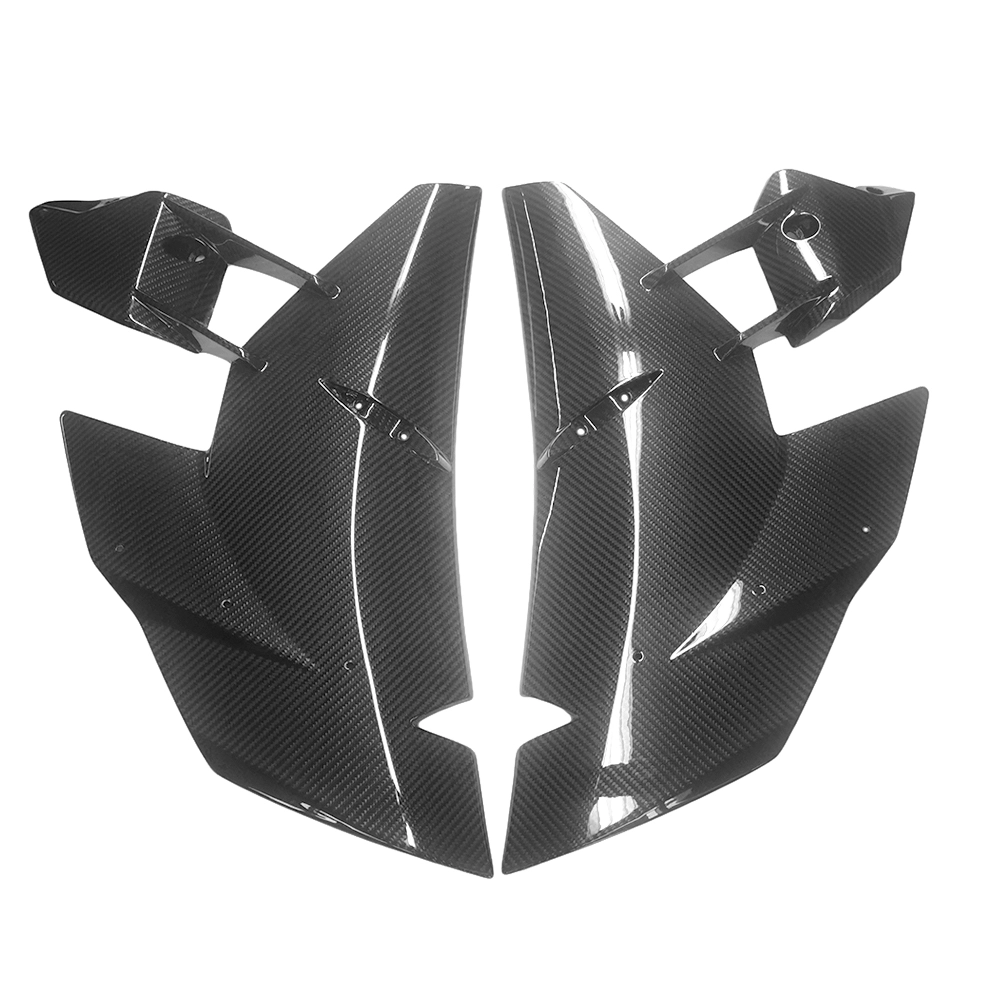
Kawasaki H2/H2R Carbon Fiber Side Fairing
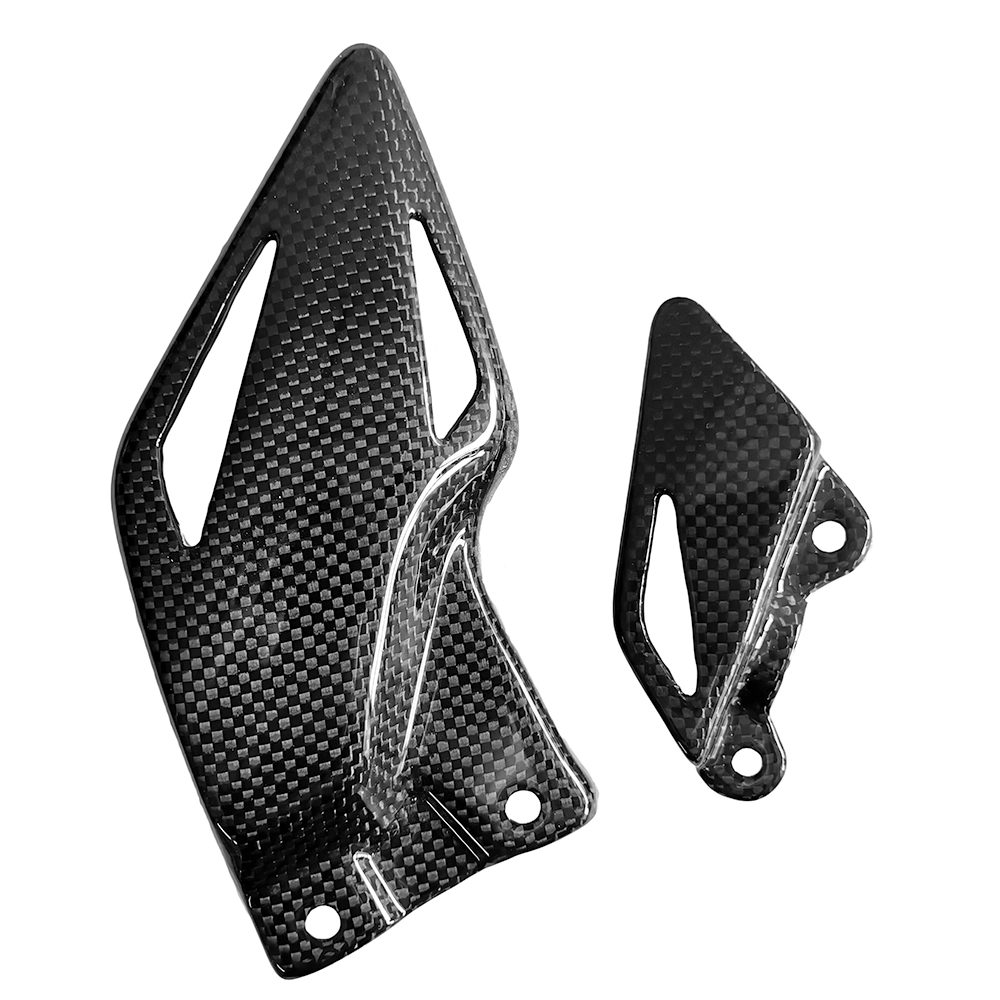
Honda CBR1000RR Carbon Fiber Heel Guards
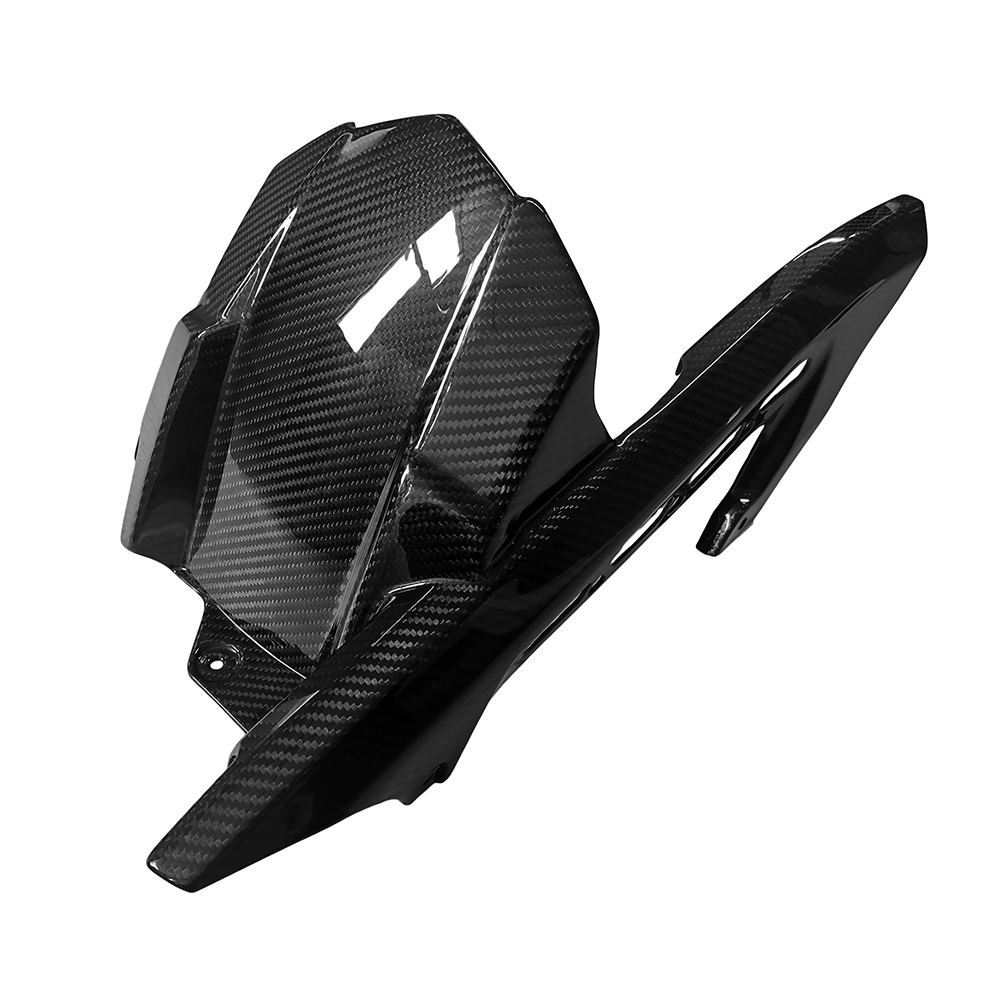
Kawasaki Z900 Z900RS Carbon Fiber Rear Fender
Let’s Bring Your Carbon Fiber Ideas to Life
Have a question or inquiry about our carbon fiber composite products? Leave us a message here, and our team will get back to you promptly.
Whether you're interested in custom orders, technical specifications, or partnership opportunities, we're here to assist you.
Please fill out the fields above with your name, email address, and message.

Supreem Carbon aiming to provide customers with high-performance carbon fiber products and quality services.
Contact Supreem Carbon
Address : Building 1 No.103, Yadi Nan 1st Road, QiaoTou Town, Dongguan City, China.
© 2024 Supreem Carbon All Rights Reserved.
Facebook
Pinterest
LinkedIn
Instagram