

How much do carbon fiber parts cost to manufacture?
- What Are the Primary Manufacturing Processes for Carbon Fiber Parts?
- 1. Wet Lay-Up
- 2. Prepreg Lamination
- 3. Resin Transfer Molding (RTM)
- 4. Filament Winding
- 5. Pultrusion
- How Much Do Carbon Fiber Parts Cost to Manufacture?
- What Are Common Challenges in Carbon Fiber Part Production?
- What Quality Control Measures Are Essential for Carbon Fiber Components?
- How Does Supreem Carbon Ensure High-Quality Carbon Fiber Parts?
Carbon fiber parts are renowned for their exceptional strength-to-weight ratio, making them a preferred choice across various industries, including automotive, aerospace, and sports equipment. Understanding the manufacturing processes, associated costs, and quality control measures is crucial for businesses considering the procurement of carbon fiber components.
What Are the Primary Manufacturing Processes for Carbon Fiber Parts?
1. Wet Lay-Up
In this method, carbon fiber sheets are manually layered into a mold, and resin is applied to bond the layers. This technique is cost-effective and suitable for low-volume production but requires skilled labor to ensure quality.
2. Prepreg Lamination
Prepregs are carbon fiber sheets pre-impregnated with resin, which are stored at low temperatures to prevent curing. These sheets are laid into a mold and cured under heat and pressure, often using an autoclave. This process offers precise control over resin content and is ideal for high-performance applications.
3. Resin Transfer Molding (RTM)
Dry carbon fiber is placed into a closed mold, and resin is injected under pressure. This method is suitable for medium to high-volume production and allows for complex part geometries.
4. Filament Winding
Continuous carbon fiber filaments are wound onto a mandrel in specific patterns to create tubular structures. This technique is commonly used for parts like pipes and pressure vessels.
5. Pultrusion
Continuous carbon fiber rovings are pulled through a resin bath and then through a heated die to cure the resin, forming a continuous profile. This process is efficient for producing parts with constant cross-sections.
How Much Do Carbon Fiber Parts Cost to Manufacture?
The cost of manufacturing carbon fiber parts varies based on several factors:
Material Costs: High-quality carbon fiber and resin materials can be expensive.
Manufacturing Method: Techniques like prepreg lamination and RTM are more costly due to equipment and process requirements.
Part Complexity: Intricate designs and tight tolerances increase production time and costs.
Production Volume: Higher volumes can reduce per-unit costs through economies of scale.
While exact figures can vary, it's essential to consult with manufacturers to obtain accurate quotes tailored to specific project requirements.
What Are Common Challenges in Carbon Fiber Part Production?
Manufacturing carbon fiber parts presents several challenges:
Voids and Porosity: Air pockets within the laminate can compromise strength.
Resin Distribution Issues: Uneven resin application can lead to weak spots.
Delamination: Separation between layers can occur due to poor adhesion or excessive stress.
Dimensional Instability: Parts may warp during curing due to thermal expansion mismatches.
Material Waste: Expensive raw materials can be wasted during cutting or due to defects.
Implementing meticulous process controls and quality assurance measures can mitigate these issues. ((https://www.supreemcarbon.com/article/carbon-fiber-parts-manufacturing-processes-procurement-guide.html))
What Quality Control Measures Are Essential for Carbon Fiber Components?
Ensuring the quality and reliability of carbon fiber parts involves:
Incoming Material Inspection: Verifying raw material specifications and storage conditions.
In-Process Monitoring: Real-time monitoring of process parameters like temperature and pressure.
Non-Destructive Testing (NDT): Techniques such as ultrasonic inspection and X-ray scanning to detect internal flaws.
Destructive Testing: Testing samples to failure to determine mechanical properties.
Dimensional Inspection: Using tools like Coordinate Measuring Machines (CMMs) to verify part dimensions.
These measures ensure that the final product meets the required standards and performs reliably in its intended application. ((https://www.supreemcarbon.com/article/carbon-fiber-parts-manufacturing-processes-procurement-guide.html))
How Does Supreem Carbon Ensure High-Quality Carbon Fiber Parts?
Supreem Carbon specializes in producing high-quality carbon fiber components by:
Utilizing Advanced Manufacturing Techniques: Employing state-of-the-art processes to ensure precision and durability.
Implementing Rigorous Quality Control: Conducting thorough inspections and testing at every production stage.
Offering Custom Solutions: Providing tailored products to meet specific client requirements.
By choosing Supreem Carbon, clients can be assured of receiving top-tier carbon fiber parts that enhance performance and longevity.
For a visual demonstration of the carbon fiber manufacturing process, you might find the following video informative:
(https://www.youtube.com/watch?v=WnYLwQCiZRE&utm_source=openai)

Latest Developments in the Application of Carbon Fiber Materials in the Automotive and Motorcycle Fields
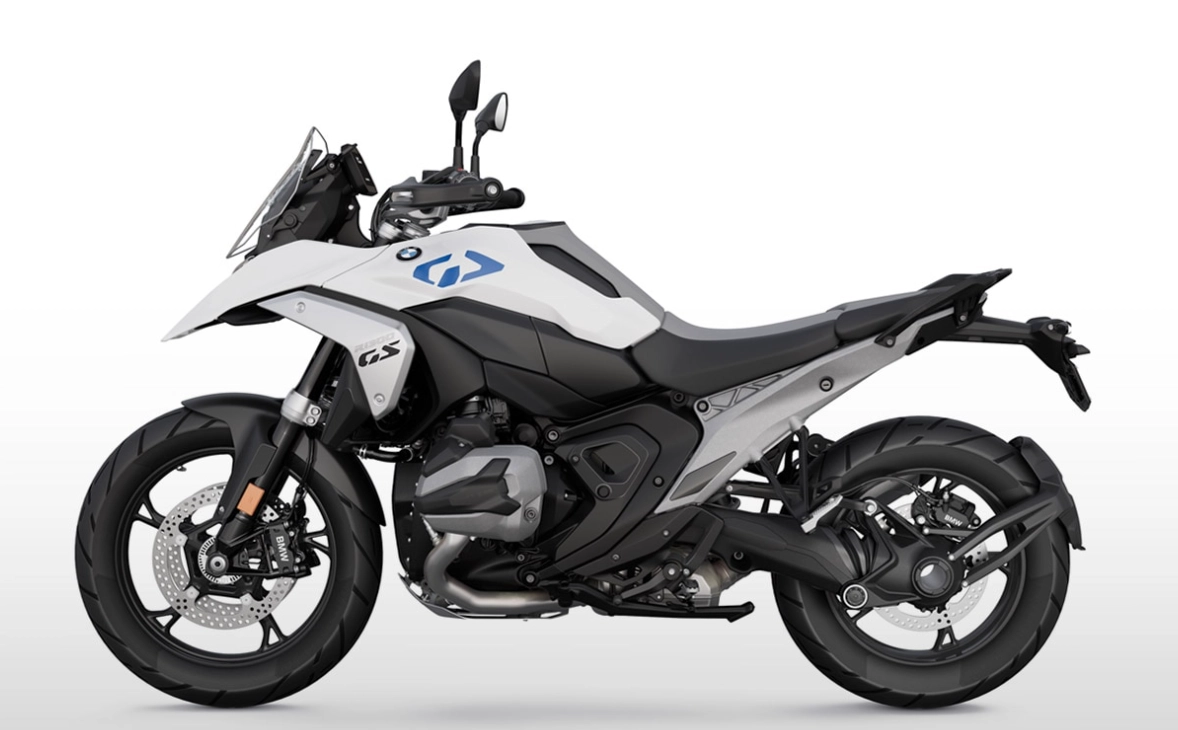
Supreem Carbon New Motorcycle Carbon Parts Development Plan.

100% Carbon fiber dash panel and window door trims set for NSX
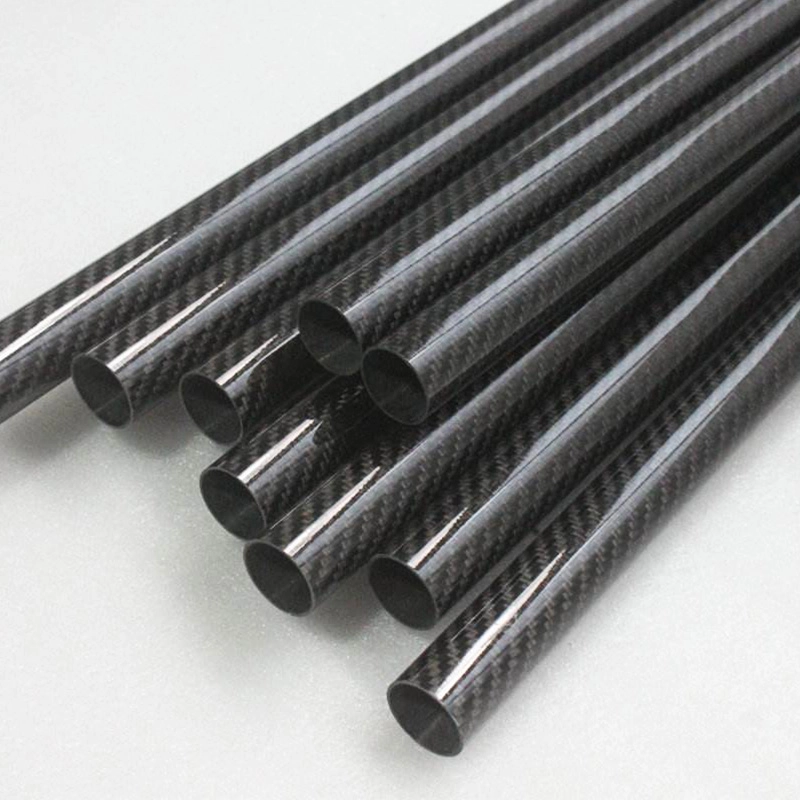
CFRP vs Pre-Preg Carbon Fiber: What’s the Difference and Which Is Better for Your Project?
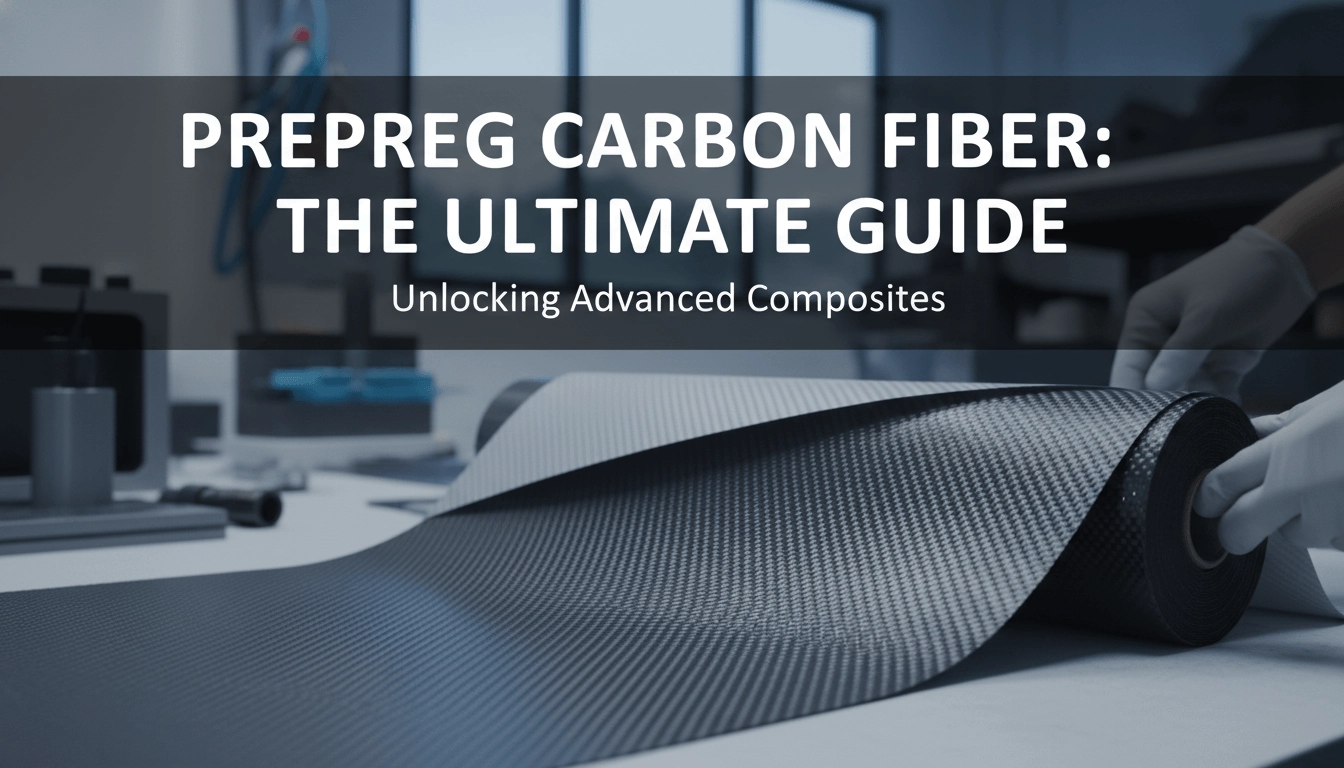
Prepreg Carbon Fiber: The Definitive Guide to Advanced Composite Performance
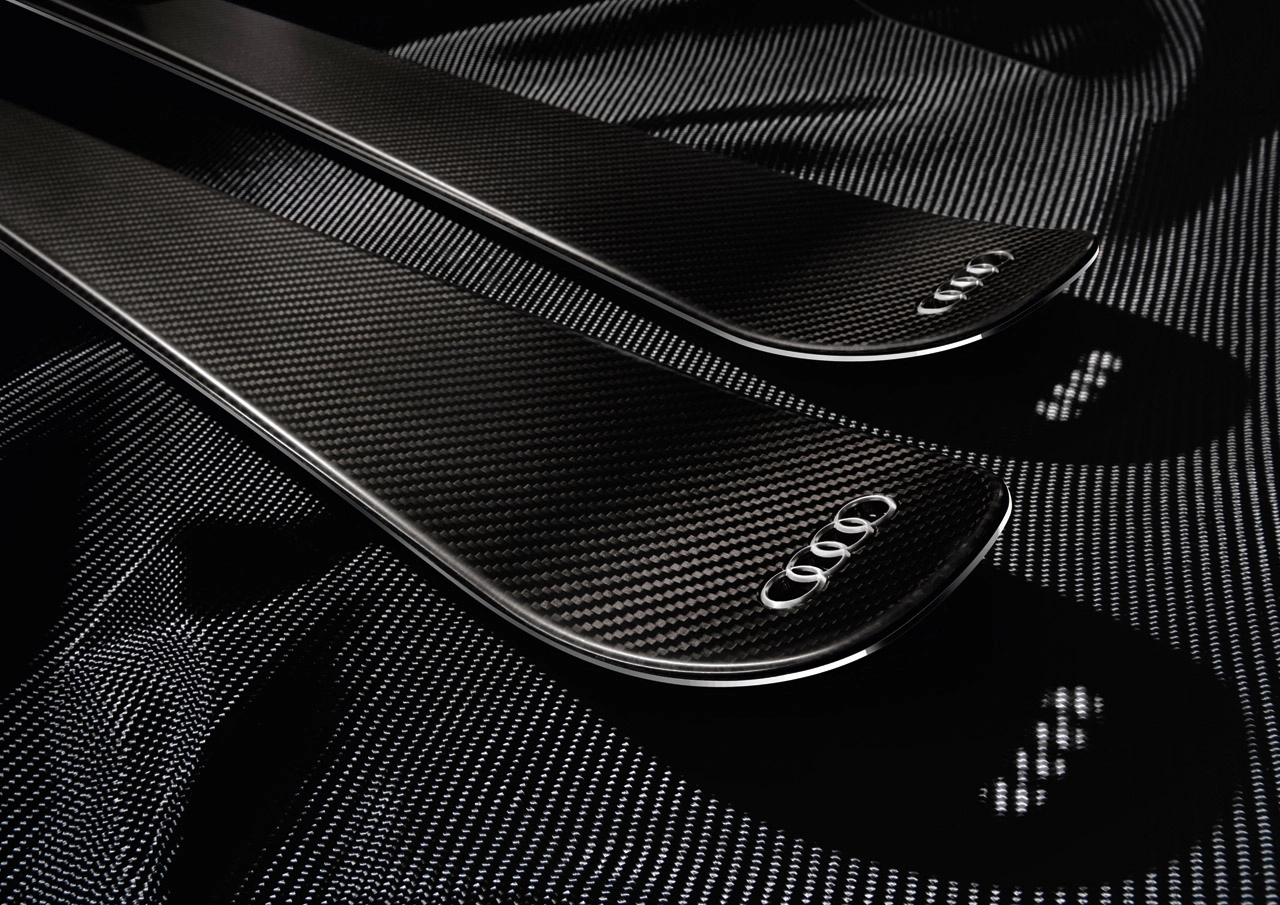
Application of 3D Printing in Carbon Fiber Accessories
For Order Delivery
How to choose the mode of transportation?
We use official shipment like Fedex,UPS,DHL and so on. Also customer can arrange delivery by themselves.
For Facotry
How many monthly production capacity of the factory?
The average monthly production capacity reach 3000 pieces. With the equipment upgrade, it will be increased over 4000 pieces per month.
Supreem carbon main competitive advantages.
Rich experience
Over 10 years production experience in carbon fiber industry, providing customers with high quality carbon products.
Excellent service
From new project development to customer finished product delivery, we provide customers with full tracking and timely feedback on project progress.
High-Quality Products
Our carbon fiber products undergo rigorous quality control to ensure customers achieve the high quality and cost-effective product.
For After-sales Service
What can I do if the carbon fiber products arrived is broken?
Please give us feedback as soon as possible and we will send new one to you.
For Products
Supreem Carbon parts produce by 100% carbon?
Yes,all products are made from full carbon with dry carbon.
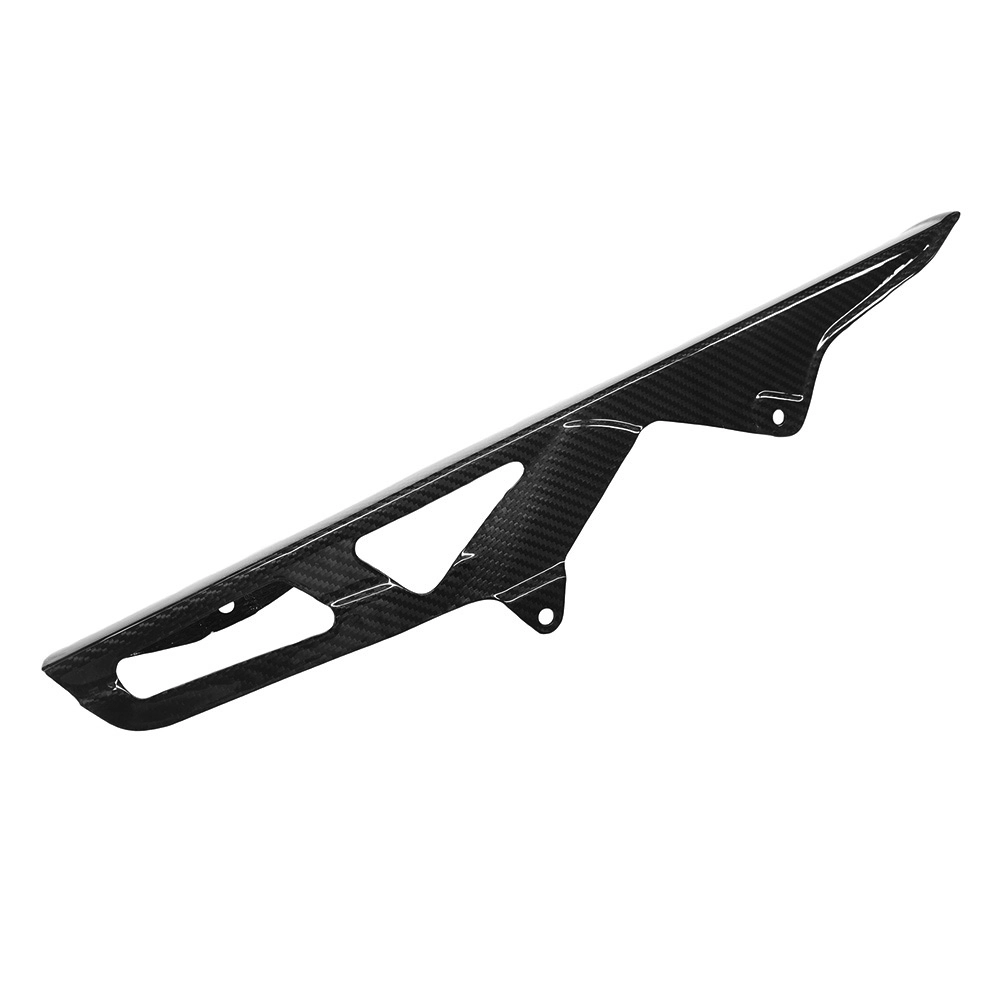
Suzuki GSX-R1000 Carbon Fiber Chain Guard
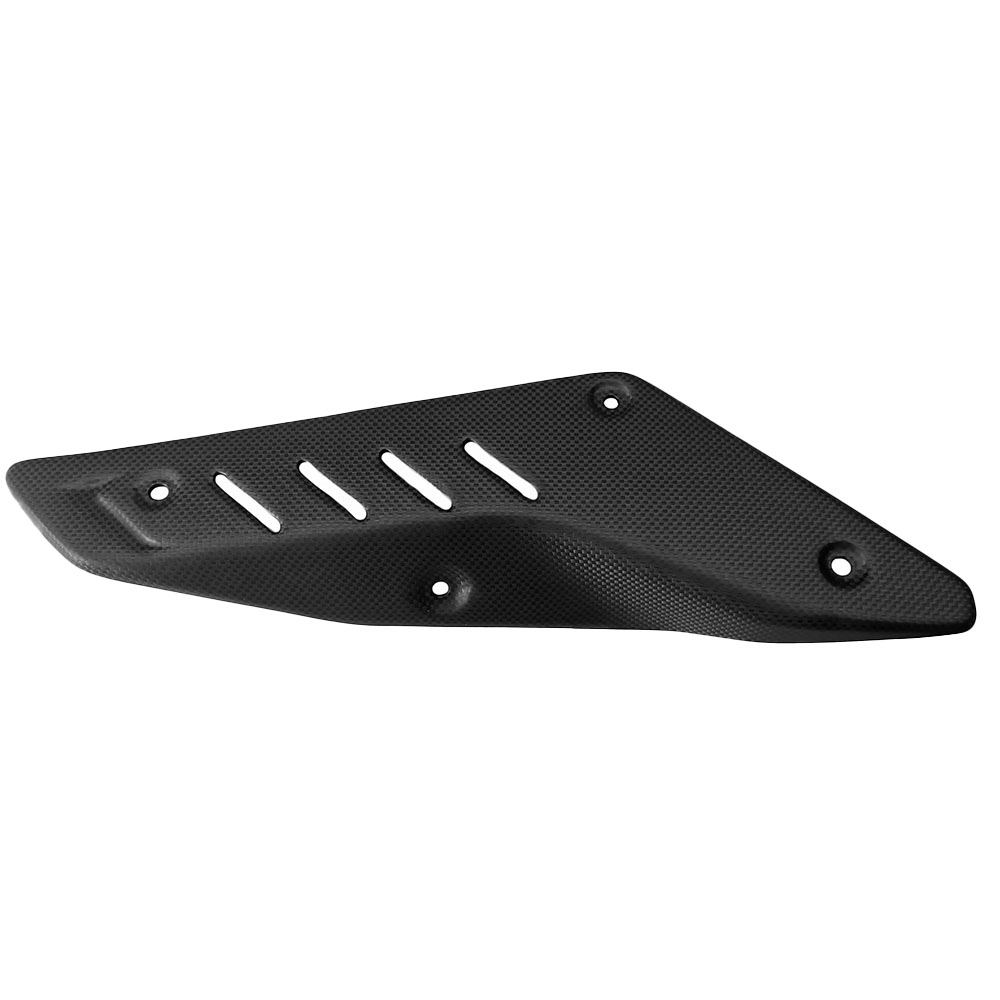
Yamaha MT10 Carbon Fiber Exhaust cover
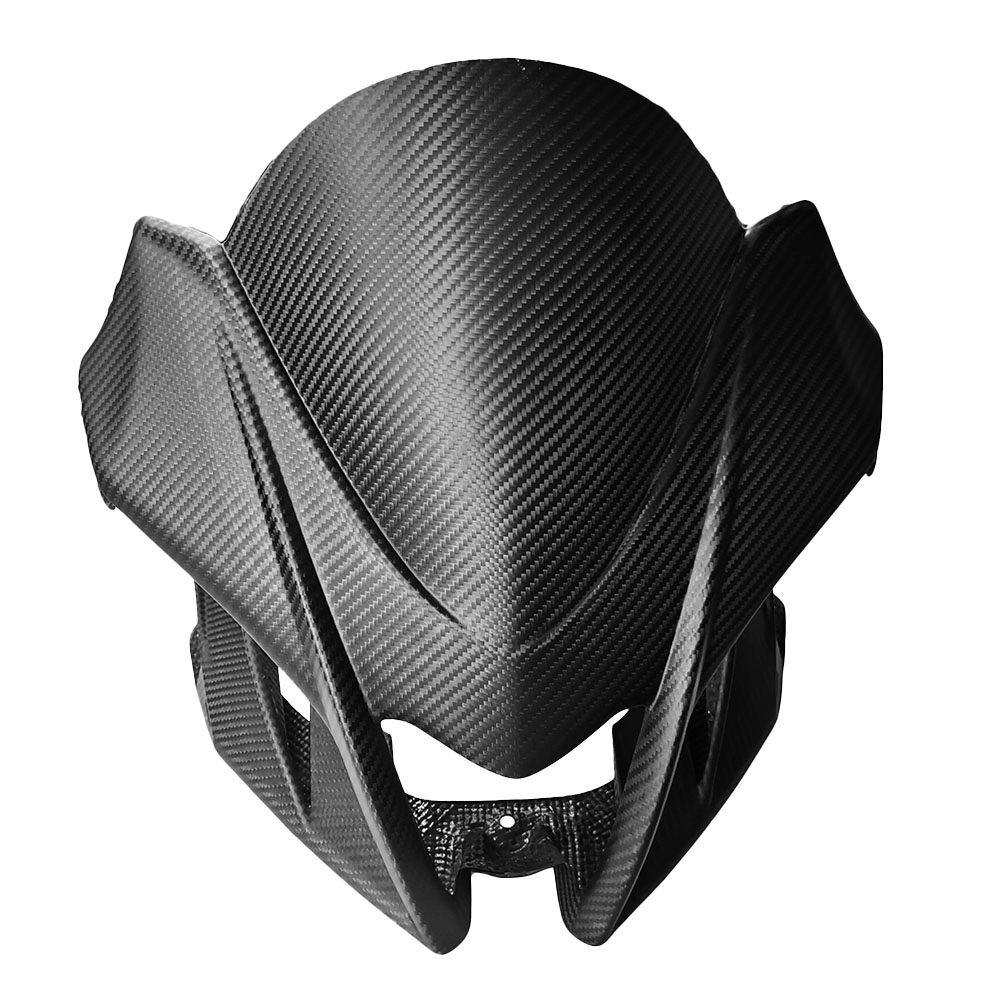
Aprilia Tuono V4 Carbon Fiber Front Fairing with Windshield
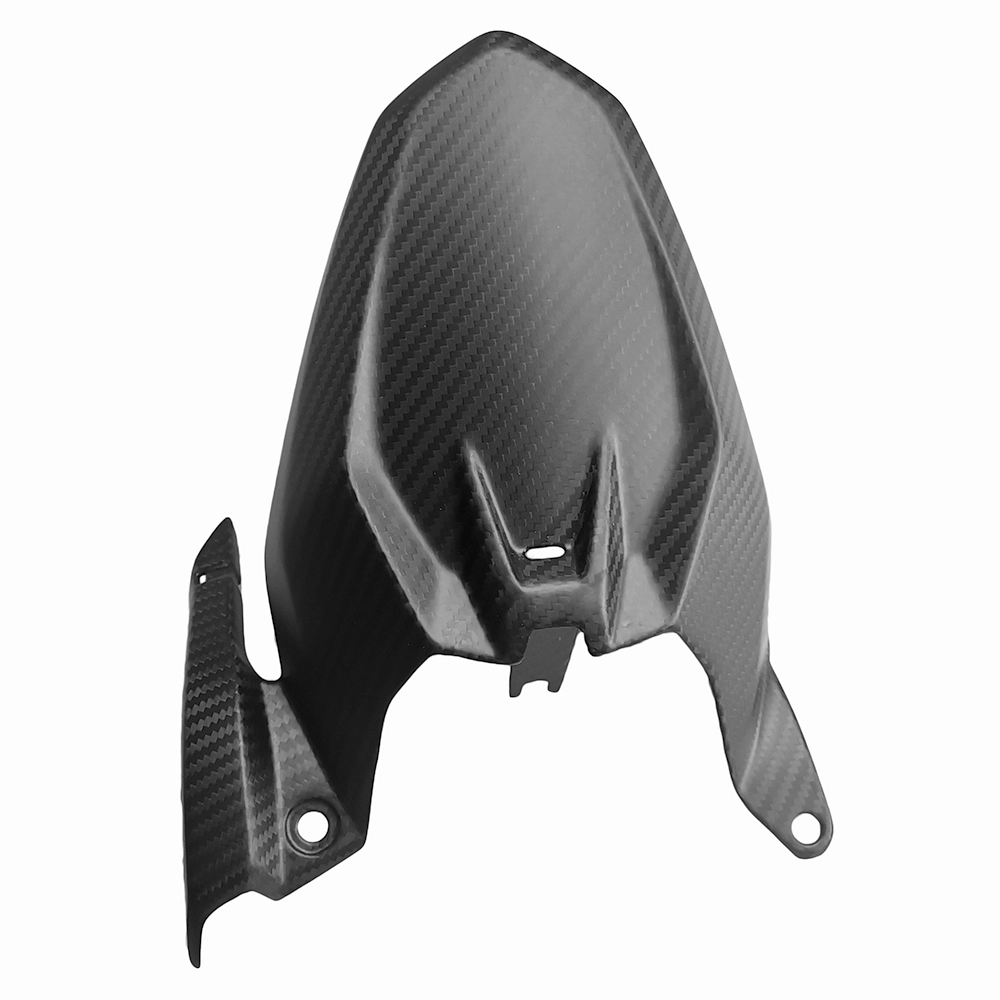
Ducati Monster 937 Carbon Fiber Rear Fender
Let’s Bring Your Carbon Fiber Ideas to Life
Have a question or inquiry about our carbon fiber composite products? Leave us a message here, and our team will get back to you promptly.
Whether you're interested in custom orders, technical specifications, or partnership opportunities, we're here to assist you.
Please fill out the fields above with your name, email address, and message.

Supreem Carbon aiming to provide customers with high-performance carbon fiber products and quality services.
Contact Supreem Carbon
Address : Building 1 No.103, Yadi Nan 1st Road, QiaoTou Town, Dongguan City, China.
© 2024 Supreem Carbon All Rights Reserved.
Facebook
Pinterest
LinkedIn
Instagram