

How does prepreg differ from dry carbon fiber manufacturing?
- Understanding Carbon Fiber Parts Manufacturing: Key Insights and FAQs
- 1. What Are the Primary Manufacturing Methods for Carbon Fiber Parts?
- 2. How Do Prepreg and Dry Carbon Fiber Manufacturing Differ?
- 3. What Quality Control Measures Are Essential for Reliable Carbon Fiber Parts?
- 4. How Do I Ensure the Quality of Carbon Fiber Parts from a Supplier?
- 5. What Are the Common Applications for Carbon Fiber Parts in Different Industries?
- 6. What Are the Typical Minimum Order Quantities (MOQs) for Carbon Fiber Parts?
- 7. How Do I Handle Logistics and Shipping for International Orders of Carbon Fiber Parts?
- 8. What Customization Options Are Typically Available for Carbon Fiber Parts?
- Conclusion: Why Choose Supreem Carbon?
Understanding Carbon Fiber Parts Manufacturing: Key Insights and FAQs
Carbon fiber parts are renowned for their exceptional strength-to-weight ratio, making them a preferred choice in industries such as automotive, aerospace, and sports equipment. When considering the procurement of carbon fiber components, it's crucial to understand the manufacturing processes, quality control measures, and the distinctions between various fabrication techniques. This guide addresses common questions and provides insights to assist in making informed decisions.
1. What Are the Primary Manufacturing Methods for Carbon Fiber Parts?
The main manufacturing methods for carbon fiber parts include:
Wet Lay-Up: Involves manually layering carbon fiber sheets and applying resin, suitable for low-volume production.
Prepreg Lamination: Utilizes pre-impregnated carbon fiber sheets cured under heat and pressure, offering high precision and consistency.
Resin Transfer Molding (RTM): Inserts dry carbon fiber into a mold, with resin injected under pressure, ideal for medium to high-volume production.
Each method has its advantages and is chosen based on specific application requirements and production volumes.
2. How Do Prepreg and Dry Carbon Fiber Manufacturing Differ?
Prepreg carbon fiber involves sheets of carbon fiber pre-impregnated with resin, which are stored cold to prevent curing. These sheets are then laid into molds and cured under heat and pressure, typically in an autoclave. This process offers precise resin content control, resulting in parts with superior mechanical properties and consistency. However, it is more expensive and time-consuming due to the need for specialized equipment and controlled environments.
In contrast, dry carbon fiber manufacturing uses dry carbon fiber sheets combined with liquid resin applied during the lay-up process. This method is more cost-effective and flexible, suitable for low to medium-volume productions. However, it may result in less consistent resin distribution and mechanical properties compared to the prepreg method.
3. What Quality Control Measures Are Essential for Reliable Carbon Fiber Parts?
Ensuring the integrity and performance of carbon fiber parts involves several quality control measures:
Material Inspection: Verify raw materials' specifications, batch numbers, and expiry dates, especially for prepregs with critical freezer life.
Process Monitoring: Continuously monitor temperature, pressure, vacuum levels, and cure cycles during manufacturing to maintain quality.
Visual Inspection: Check for surface defects like voids, delaminations, and imperfections.
Dimensional Inspection: Use Coordinate Measuring Machines (CMMs) or laser scanners to ensure part dimensions and tolerances are met.
Non-Destructive Testing (NDT): Employ techniques like ultrasonic inspection and X-ray radiography to detect internal defects without damaging the part.
Destructive Testing (DT): Periodically test mechanical properties and fiber volume fraction to verify part performance.
Maintaining meticulous records of raw materials, process parameters, and inspection results ensures full traceability from raw material to finished product. ((https://www.supreemcarbon.com/article/carbon-fiber-composites-manufacturing-selection-quality-guide.html))
4. How Do I Ensure the Quality of Carbon Fiber Parts from a Supplier?
To ensure quality when sourcing carbon fiber parts:
Request Samples: Evaluate performance and finish before placing bulk orders.
Check Certifications: Look for suppliers with certifications like ISO 9001, indicating adherence to quality management standards.
Inquire About Quality Assurance Processes: Understand their material testing and inspection protocols.
Visit the Supplier’s Facility: Assess manufacturing capabilities and commitment to quality.
Establishing a good relationship with the supplier can lead to more favorable terms, especially for repeat orders.
5. What Are the Common Applications for Carbon Fiber Parts in Different Industries?
Carbon fiber parts are widely used in various industries due to their high strength-to-weight ratio:
Aerospace: Enhance fuel efficiency and performance in aircraft structures.
Automotive: Used in high-performance vehicles for weight reduction and improved handling.
Sports Equipment: Incorporated into items like bicycles, golf clubs, and tennis rackets for enhanced performance.
Additionally, sectors like healthcare utilize carbon fiber for prosthetics and medical devices, demonstrating its versatility across various applications.
6. What Are the Typical Minimum Order Quantities (MOQs) for Carbon Fiber Parts?
Minimum order quantities (MOQs) for carbon fiber parts can vary:
Small Suppliers: May accommodate orders as low as 10-50 units.
Larger Manufacturers: May require 100 or more units to justify production costs.
Discussing your specific needs with potential suppliers can help determine if they can offer flexible MOQs, especially for initial orders or prototypes.
7. How Do I Handle Logistics and Shipping for International Orders of Carbon Fiber Parts?
When handling logistics for international orders:
Shipping Methods: Consider express delivery (5-7 days), sea freight (20-25 days), or air freight (15 days).
Freight Forwarder: Work with a reliable freight forwarder who understands customs regulations and can assist with documentation.
Packaging: Ensure the supplier packages the parts securely to prevent damage.
Insurance: Discuss insurance options to protect your investment during transit, especially for high-value items.
8. What Customization Options Are Typically Available for Carbon Fiber Parts?
Customization options for carbon fiber parts include:
Size and Shape: Tailored to specific requirements.
Fiber Orientation: Adjusted to achieve desired mechanical properties.
Finish: Options like matte, semi-matte, glossy, or mirror finishes.
Resin Type: Selection of resin systems affecting performance characteristics.
Discussing your specific requirements with the supplier can help ensure the final product meets your expectations.
Conclusion: Why Choose Supreem Carbon?
Supreem Carbon stands out in the carbon fiber parts manufacturing industry by integrating research and development, design, production, and sales since 2017. With a 4,500 m² factory space and a team of 45 skilled staff, Supreem Carbon has produced over 500 custom parts, guiding customers through material selection, tooling decisions, and testing to reduce risks associated with common mistakes in ordering custom carbon parts. ((https://www.supreemcarbon.com/common-mistakes-ordering-custom-carbon-parts.html))
By choosing Supreem Carbon, you benefit from clear technical communication, design for manufacturability feedback, sample approvals, and documented quality control, ensuring high-quality, durable, and attractive carbon parts that meet your performance needs.
For more information or to discuss your specific requirements, visit Supreem Carbon's website or contact their customer service team.
((https://www.supreemcarbon.com/common-mistakes-ordering-custom-carbon-parts.html))
Carbon Fiber in Everyday Products: Modern Applications & Home Uses | Supreem Carbon
Ultimate Guide to Custom Carbon Fiber Car Parts (Performance, Process & Buying Tips)
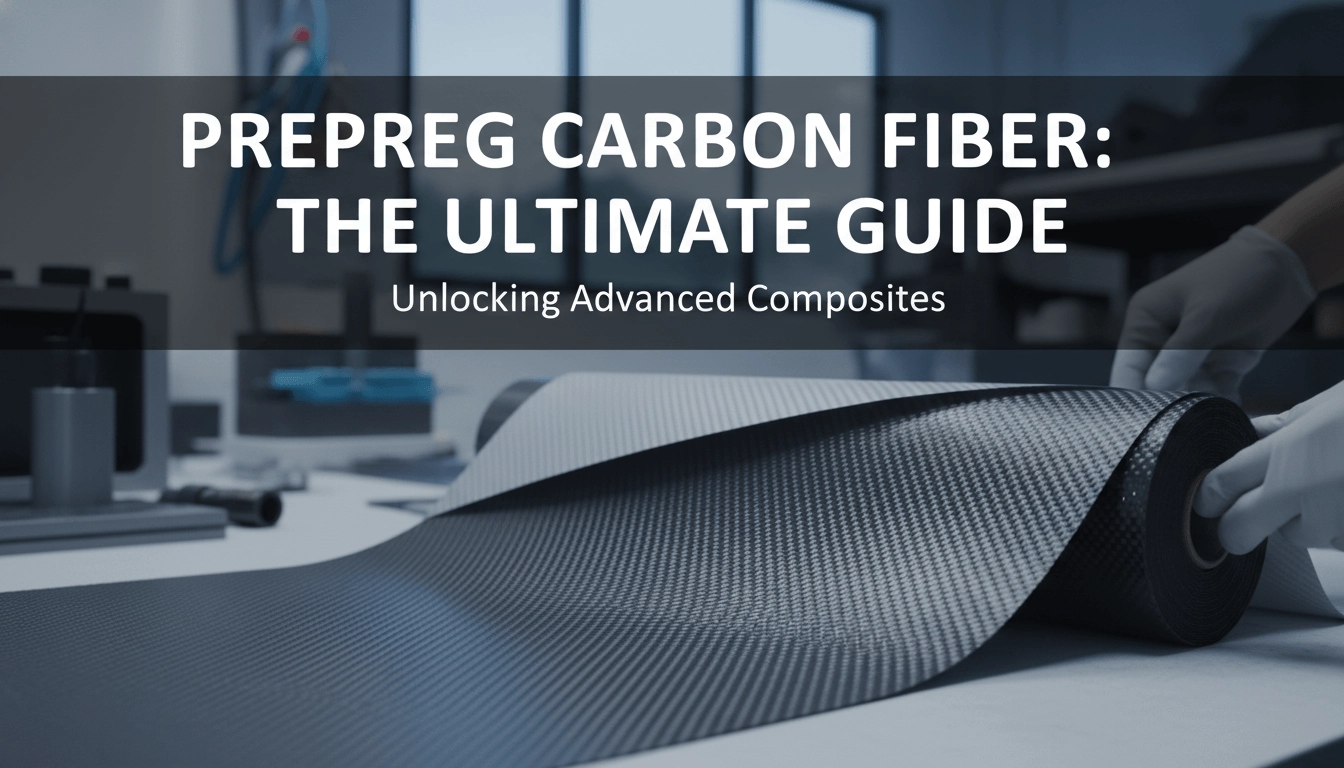
Prepreg Carbon Fiber: The Definitive Guide to Advanced Composite Performance
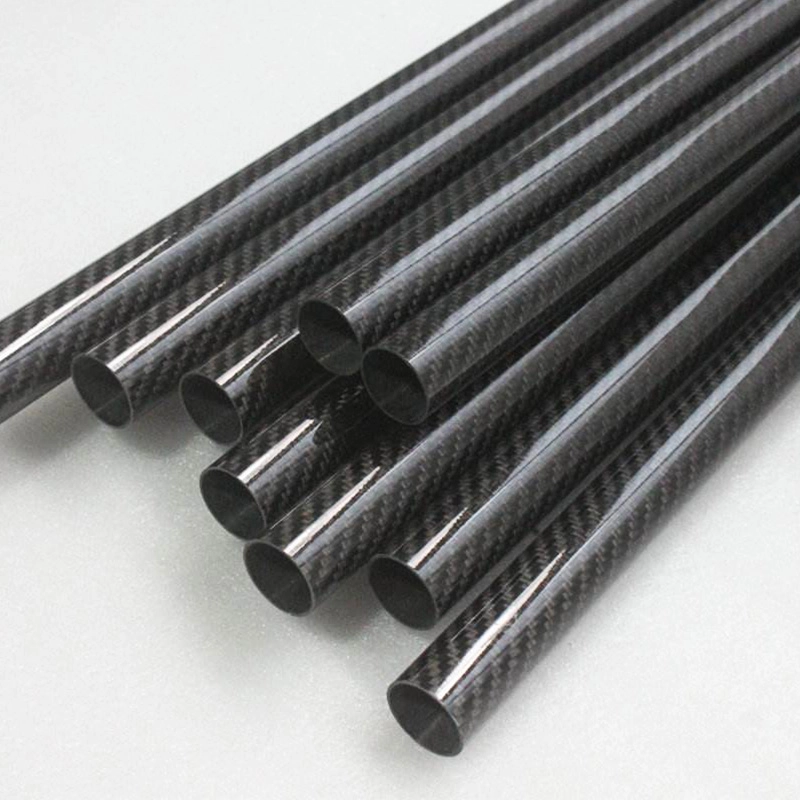
CFRP vs Pre-Preg Carbon Fiber: What’s the Difference and Which Is Better for Your Project?

Chinese Carbon Fiber Manufacturer Brands: Supreem Carbon in the Spotlight
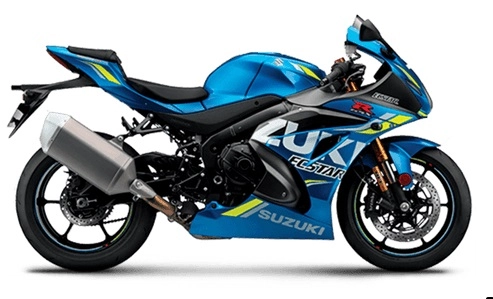
What does carbon fiber do for a motorcycle?
For After-sales Service
How can I cancel the order?
We may only cancel your order if it has not been fulfilled yet. We would be more than happy to assist you with any adjustments if you'd wish instead!
For Customized Service
What can be customized in addition to customized carbon fiber parts?
You can customize your company logo, packaging, even the color of coating and so on.
How long does the customized products order take?
This depends on the complexity and mold production cycle of the product. The first sample will be ready in 2-3 weeks after mold finished.
For Products
Which surface could you provide for the carbon parts?
Gloss finish, matte finish, satin finish. Some color coating as the customer needs.
For Facotry
How many monthly production capacity of the factory?
The average monthly production capacity reach 3000 pieces. With the equipment upgrade, it will be increased over 4000 pieces per month.
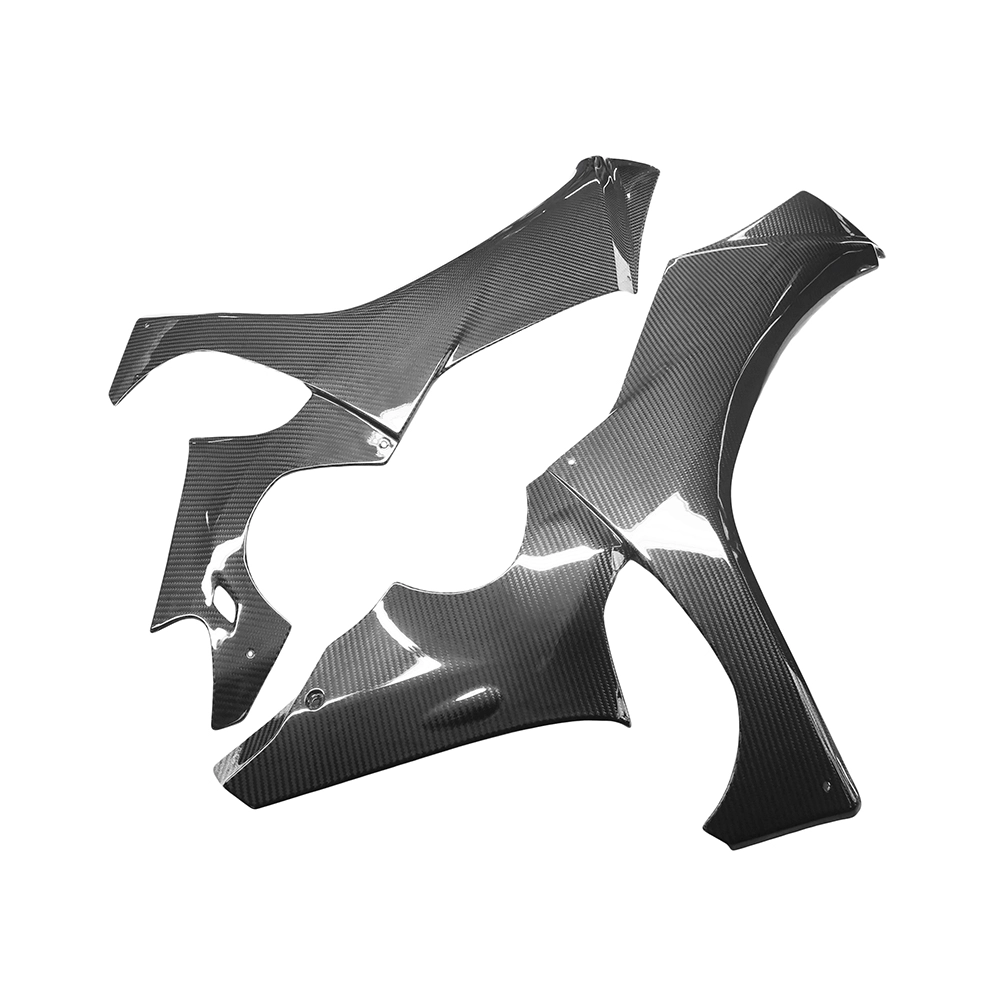
Yamaha R1 Carbon Fiber Side Fairings
Introducing the Supreem Carbon Fiber Long Side Panels for Yamaha R1. Crafted with precision and expertise, this front side fairing is designed to elevate the performance and aesthetics of your R1. Made from high-quality carbon fiber, this fairing is not only lightweight but also incredibly durable, providing optimal protection for your motorcycle.
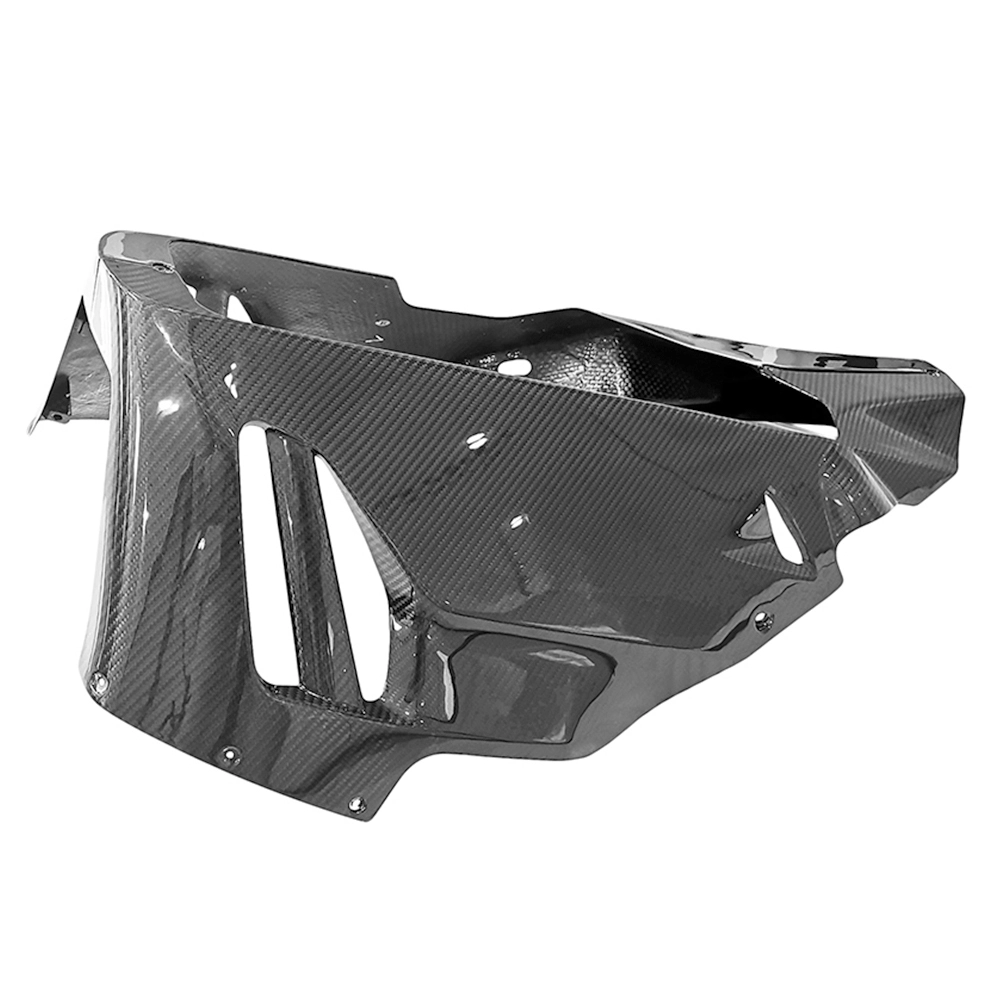
Honda CBR1000RR-R Carbon Fiber Belly Pan Lower Side Fairings
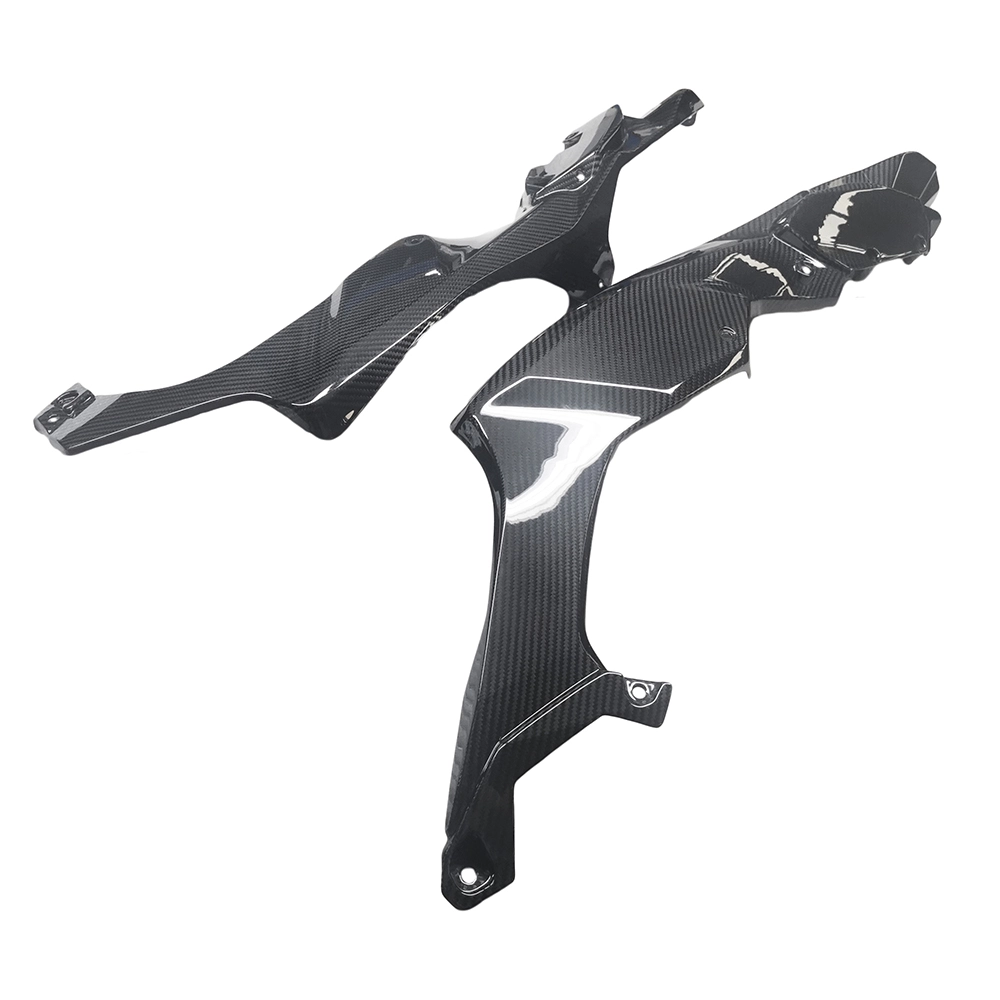
Kawasaki ZX10R Carbon Fiber Long Side Panels
The Supreem Carbon Fiber Long Side Panels are designed for the Kawasaki ZX10R. Crafted with precision and expertise, these fairings are designed to enhance the performance and appearance of your motorcycle. Made from high-quality carbon fiber, the fairing is lightweight yet incredibly durable, providing optimal protection for your motorcycle.
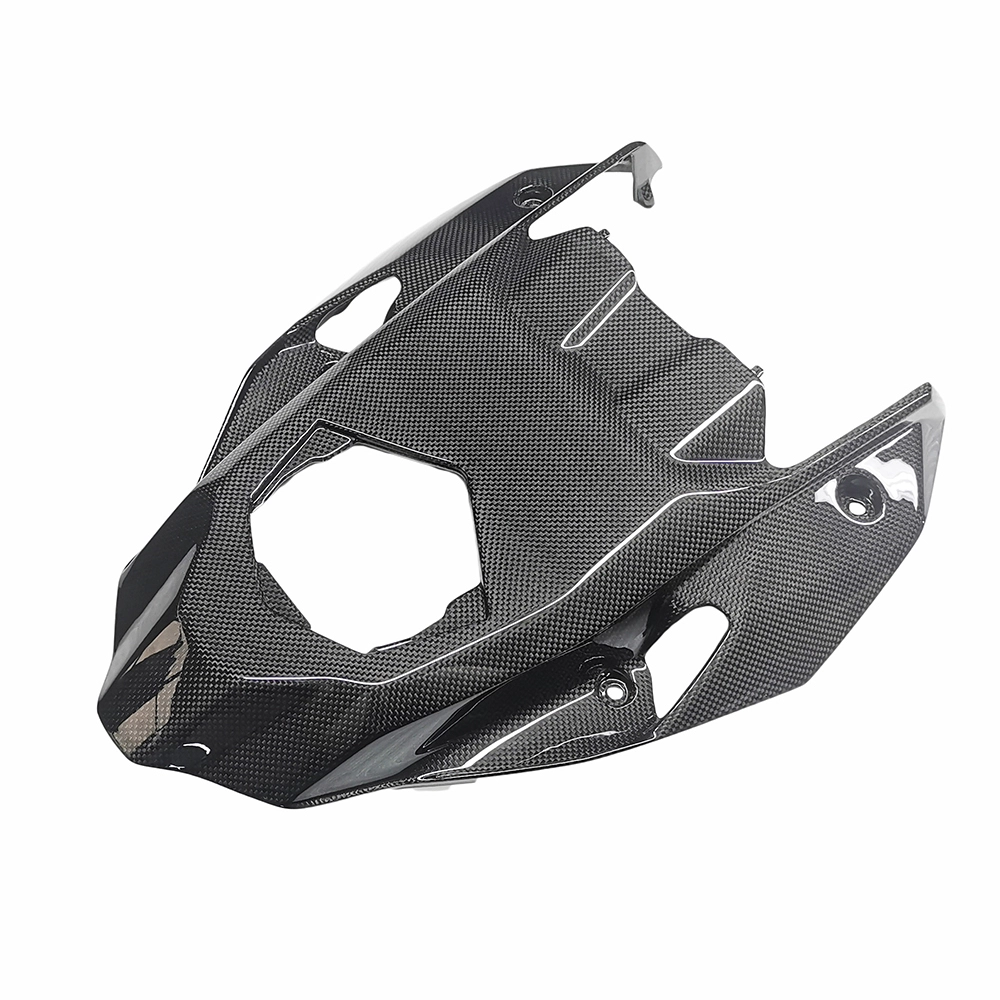
High-Performance Carbon Fiber Rear Undertail for BMW S1000R
Engineered for distributors, tuning brands, and motorcycle accessory businesses, the BMW S1000R Carbon Fiber Rear Undertail is a high-quality, durable, lightweight carbon fiber upgrade for the S1000R platform. This component is manufactured using aerospace-grade carbon fiber and precision molds to deliver superior stiffness, a seamless OEM-level fit, and a premium visual finish suitable for high-end aftermarket applications.
Let’s Bring Your Carbon Fiber Ideas to Life
Have a question or inquiry about our carbon fiber composite products? Leave us a message here, and our team will get back to you promptly.
Whether you're interested in custom orders, technical specifications, or partnership opportunities, we're here to assist you.
Please fill out the fields above with your name, email address, and message.

Supreem Carbon aiming to provide customers with high-performance carbon fiber products and quality services.
Contact Supreem Carbon
Address : Building 1 No.103, Yadi Nan 1st Road, QiaoTou Town, Dongguan City, China.
© 2024 Supreem Carbon All Rights Reserved.
Facebook
Pinterest
LinkedIn
Instagram