

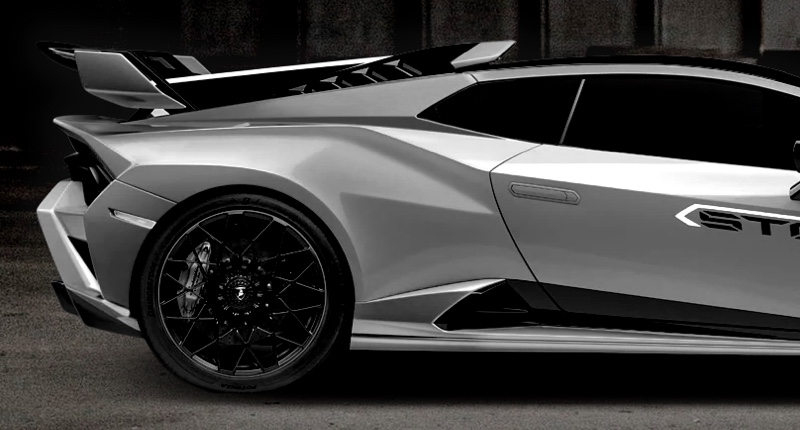

What are common methods for carbon fiber manufacturing?
Carbon fiber parts are renowned for their exceptional strength-to-weight ratio, corrosion resistance, and low thermal expansion, making them ideal for applications in aerospace, automotive, and sporting goods industries. Understanding the manufacturing processes, quality control measures, and procurement considerations is crucial for making informed purchasing decisions.
Common Methods for Carbon Fiber Manufacturing
Several manufacturing techniques are employed to produce carbon fiber parts, each with distinct advantages:
1. Prepreg Lamination with Autoclave Curing
This method involves using pre-impregnated carbon fiber sheets (prepregs) that are cured under heat and pressure in an autoclave. It offers high-quality finishes and consistent mechanical properties, making it suitable for low-to-medium production runs. ((https://www.supreemcarbon.com/top-manufacturing-methods-custom-carbon-fiber-parts.html))
2. Resin Transfer Molding (RTM)
In RTM, dry carbon fiber is placed into a closed mold, and resin is injected under pressure. This process is efficient for medium-volume production and complex geometries, providing good surface finishes on both sides of the part. ((https://www.supreemcarbon.com/top-manufacturing-methods-custom-carbon-fiber-parts.html))
3. Vacuum Infusion
Vacuum infusion involves laying dry carbon fiber into a one-sided mold, covering it with a vacuum bag, and drawing resin through the fibers under vacuum. It's cost-effective for larger parts and offers a good strength-to-weight ratio without the expense of autoclave processing. ((https://www.supreemcarbon.com/top-manufacturing-methods-custom-carbon-fiber-parts.html))
4. Hand Lay-Up
This traditional method entails manually placing dry or wet carbon fiber into an open mold and applying resin. It's flexible and low-cost, ideal for prototyping and small production runs, though it may result in less consistent quality compared to other methods. ((https://www.supreemcarbon.com/top-manufacturing-methods-custom-carbon-fiber-parts.html))
5. Compression Molding
Compression molding uses heated molds to shape carbon fiber sheets under pressure. It's suitable for high-volume production of parts with consistent thickness and surface finish. ((https://www.supreemcarbon.com/top-manufacturing-methods-custom-carbon-fiber-parts.html))
Key Factors in Selecting a Manufacturing Process
When choosing a manufacturing method, consider the following factors:
Part Complexity & Geometry: Intricate shapes may favor RTM or compression molding, while simpler parts could use pultrusion or filament winding.
Production Volume: Low volume suits wet lay-up or manual prepreg, medium-to-high volume benefits from RTM/VARTM, compression molding, or automated prepreg lines.
Required Mechanical Properties: Applications demanding the highest strength and stiffness typically require autoclave curing of prepregs.
Surface Finish Requirements: Processes like compression molding and RTM provide excellent surface finishes on both sides, critical for aesthetic or aerodynamic applications.
Cost Implications: Tooling costs can range from low for wet lay-up to extremely high for compression molds or large autoclaves. Material costs vary, with prepregs being more expensive than dry fiber and resin. Labor and energy consumption also contribute significantly. ((https://www.supreemcarbon.com/article/carbon-fiber-parts-manufacturing-processes-procurement-guide.html))
Quality Control Measures
Ensuring the integrity and performance of carbon fiber parts involves several quality control measures:
Material Incoming Inspection: Verify raw material specifications, batch numbers, and expiry dates.
Process Monitoring: Monitor temperature, pressure, vacuum levels, and cure cycles during manufacturing.
Visual Inspection: Check for surface defects like voids, delaminations, and surface imperfections.
Dimensional Inspection: Use Coordinate Measuring Machines (CMMs) or laser scanners to verify part dimensions and tolerances.
Non-Destructive Testing (NDT): Techniques such as ultrasonic inspection, X-ray radiography, and thermography detect internal defects without damaging the part.
Destructive Testing (DT): Periodically, small coupons are cut from parts to verify mechanical properties and fiber volume fraction. ((https://www.supreemcarbon.com/article/carbon-fiber-composites-manufacturing-selection-quality-guide.html))
Procurement Considerations
When procuring carbon fiber parts, consider the following:
Supplier Reputation: Choose manufacturers with a proven track record in producing high-quality carbon fiber components.
Customization Capabilities: Ensure the supplier can meet specific design requirements and offer customization options.
Lead Times: Discuss production timelines to ensure timely delivery of parts.
Cost Analysis: Evaluate the total cost, including material, tooling, labor, and post-processing expenses.
Sustainability Practices: Consider suppliers that implement sustainable manufacturing practices and offer recycling options for carbon fiber composites.
Conclusion
Understanding the various manufacturing methods, quality control measures, and procurement considerations is essential for selecting the right carbon fiber parts for your application. By carefully evaluating these factors, you can ensure the acquisition of high-quality, reliable, and cost-effective carbon fiber components.
About Supreem Carbon
Supreem Carbon specializes in producing high-quality carbon fiber parts using advanced manufacturing techniques, including prepreg lay-up and autoclave curing. Our commitment to rigorous quality control ensures that every component meets the highest performance standards. With over 28 years of experience, we offer customized solutions tailored to your specific needs, delivering fast, fair-priced, and environmentally friendly products.
References
Supreem Carbon. (n.d.). Top Manufacturing Methods for Custom Carbon Fiber Parts. ((https://www.supreemcarbon.com/top-manufacturing-methods-custom-carbon-fiber-parts.html))
Supreem Carbon. (n.d.). Carbon Fiber Parts: Manufacturing Processes & Procurement Guide. ((https://www.supreemcarbon.com/article/carbon-fiber-parts-manufacturing-processes-procurement-guide.html))
Supreem Carbon. (n.d.). Carbon Fiber Composites: Manufacturing, Selection & Quality Guide. ((https://www.supreemcarbon.com/article/carbon-fiber-composites-manufacturing-selection-quality-guide.html))
VET Energy. (n.d.). How to Manufacture Carbon Fiber Composite Parts.
China Carbon Fibers. (n.d.). How We Make Carbon Fiber Parts: From Start To Finish.

Research on the Causes of Yellowing of Carbon Fiber Products.

Die einflussreichste Marke eines Kohlefaserherstellers in Asien
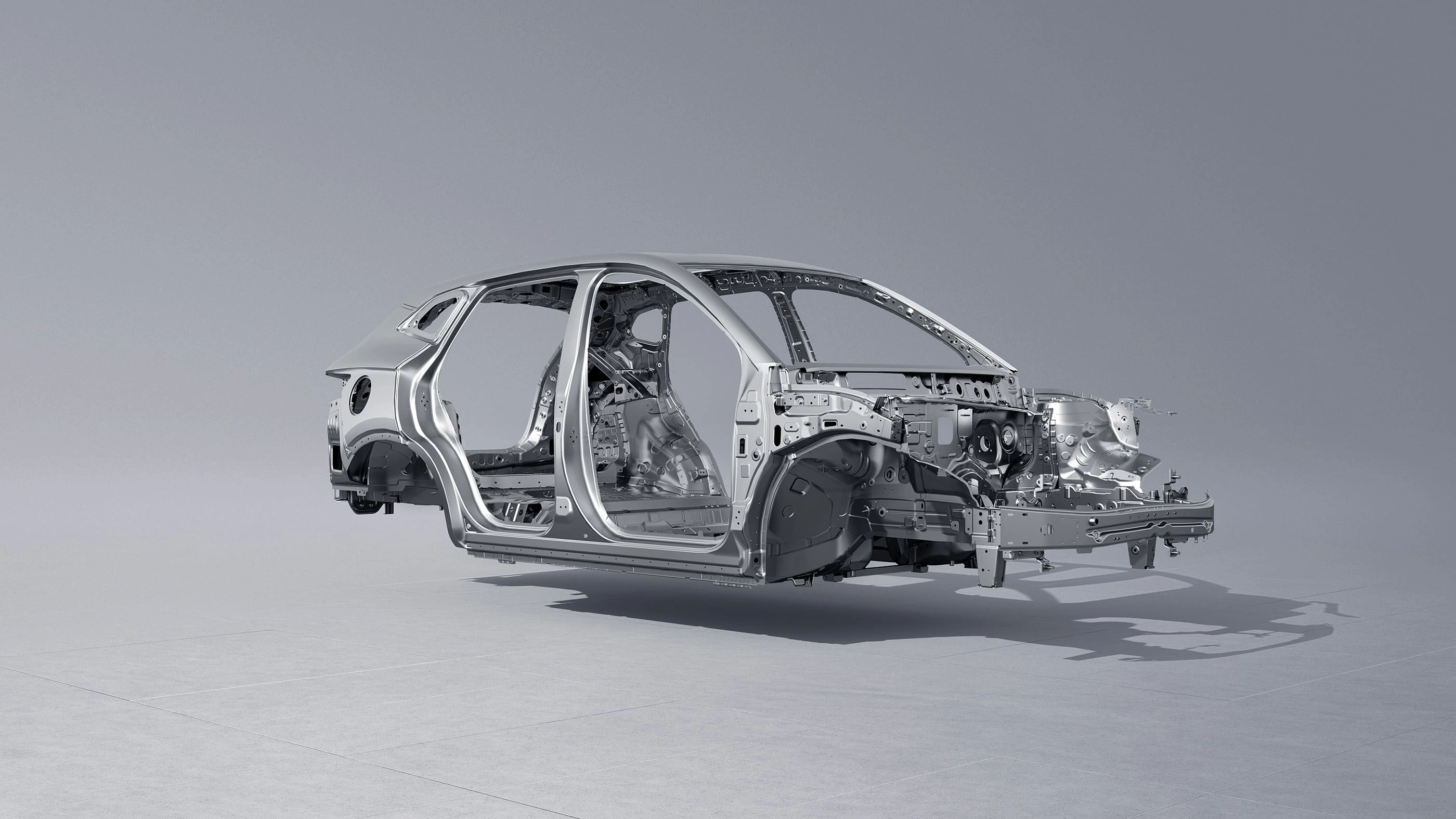
How to Make Carbon Fiber Car Parts?

Is carbon fiber good for cars?

New arrivals---Carbon Fiber Slam Panel Replacement for BMW M3 M4

Customize Your Ride: Top Makers of Automotive Carbon Fiber Parts
For Customized Service
What can be customized in addition to customized carbon fiber parts?
You can customize your company logo, packaging, even the color of coating and so on.
For Products
Supreem Carbon parts produce by 100% carbon?
Yes,all products are made from full carbon with dry carbon.
For Order Delivery
What is the shipping time for the different ways?
Express delivery 5-7 days.
20-25 days by sea.
15 days by air.
For After-sales Service
Do you offer a warranty?
Six month standard warranty on all products. Damage due to installation error or natural elements will not be covered.
For Facotry
Can I visit your company?
Of course, we are in QiaoTou Town, Dongguan City, Guangdong Province, China.
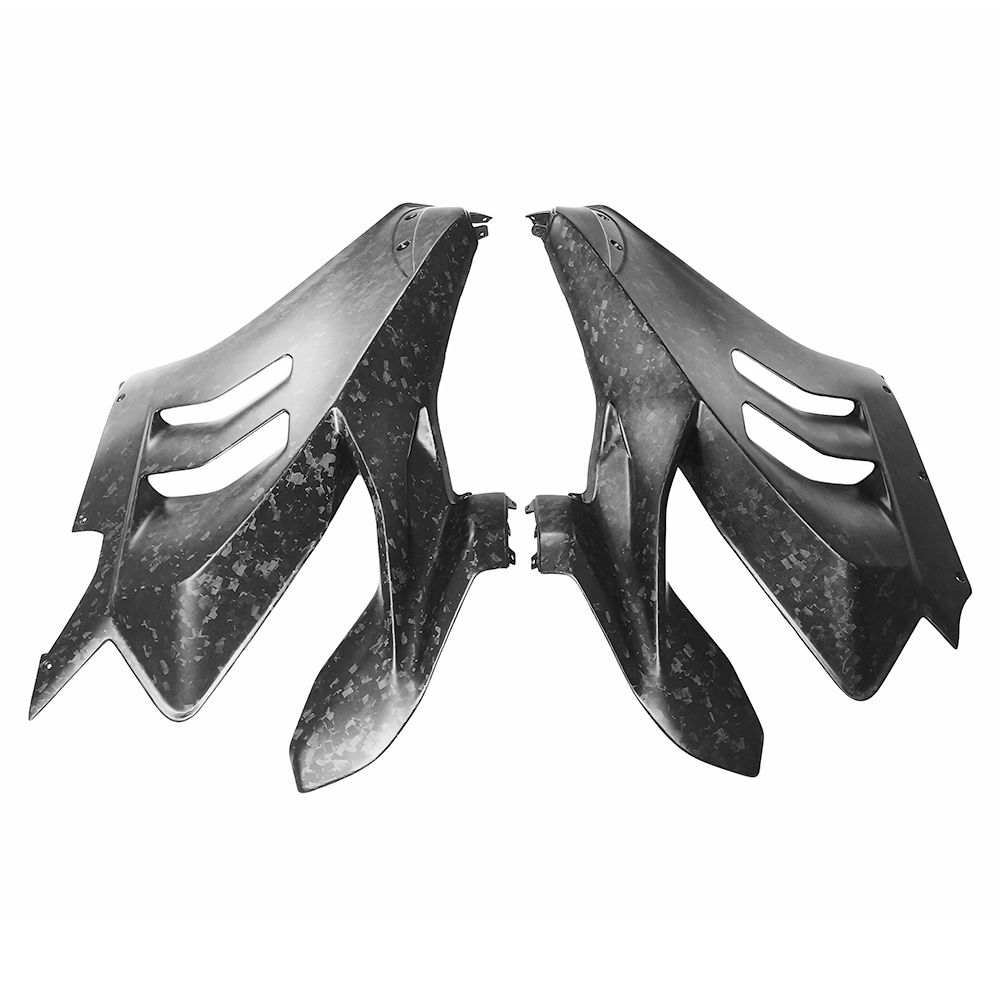
Ducati Panigale V4 Carbon Fiber Side Fairings
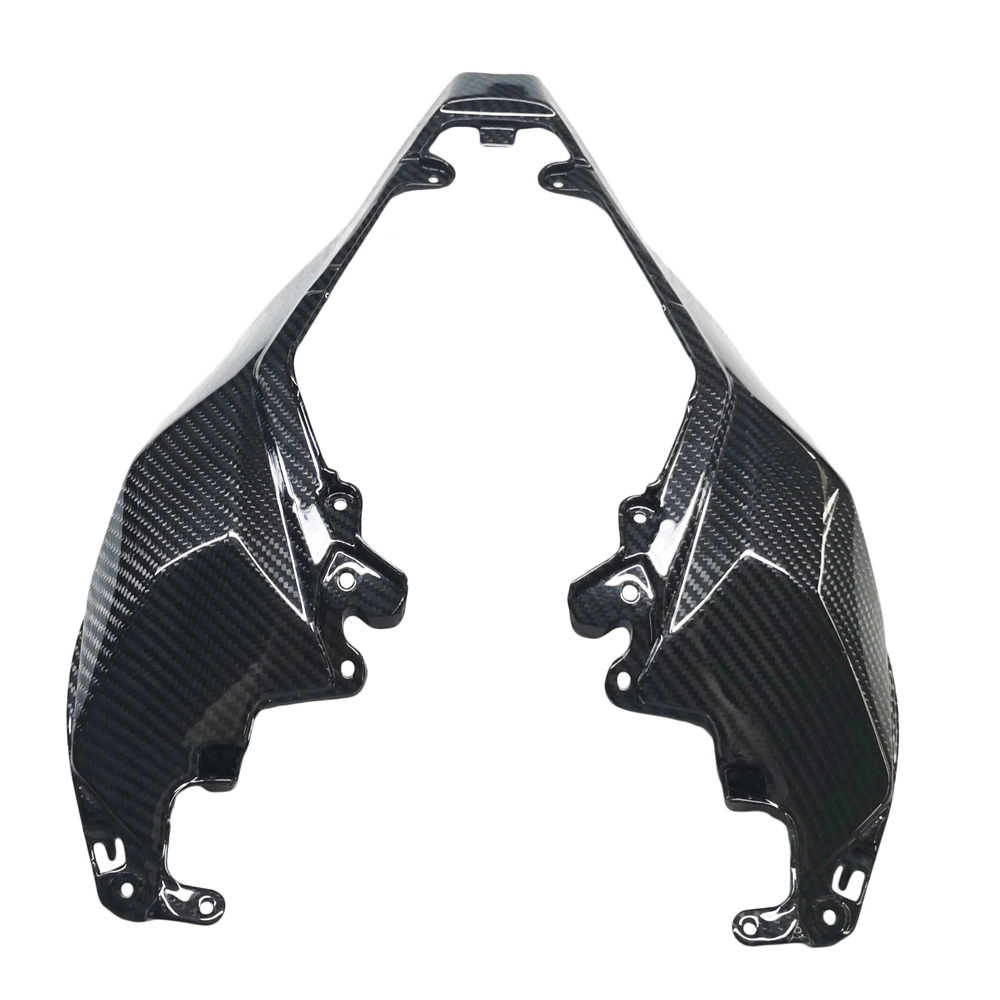
Kawasaki ZX10R Carbon Fiber Rear Tail Panel
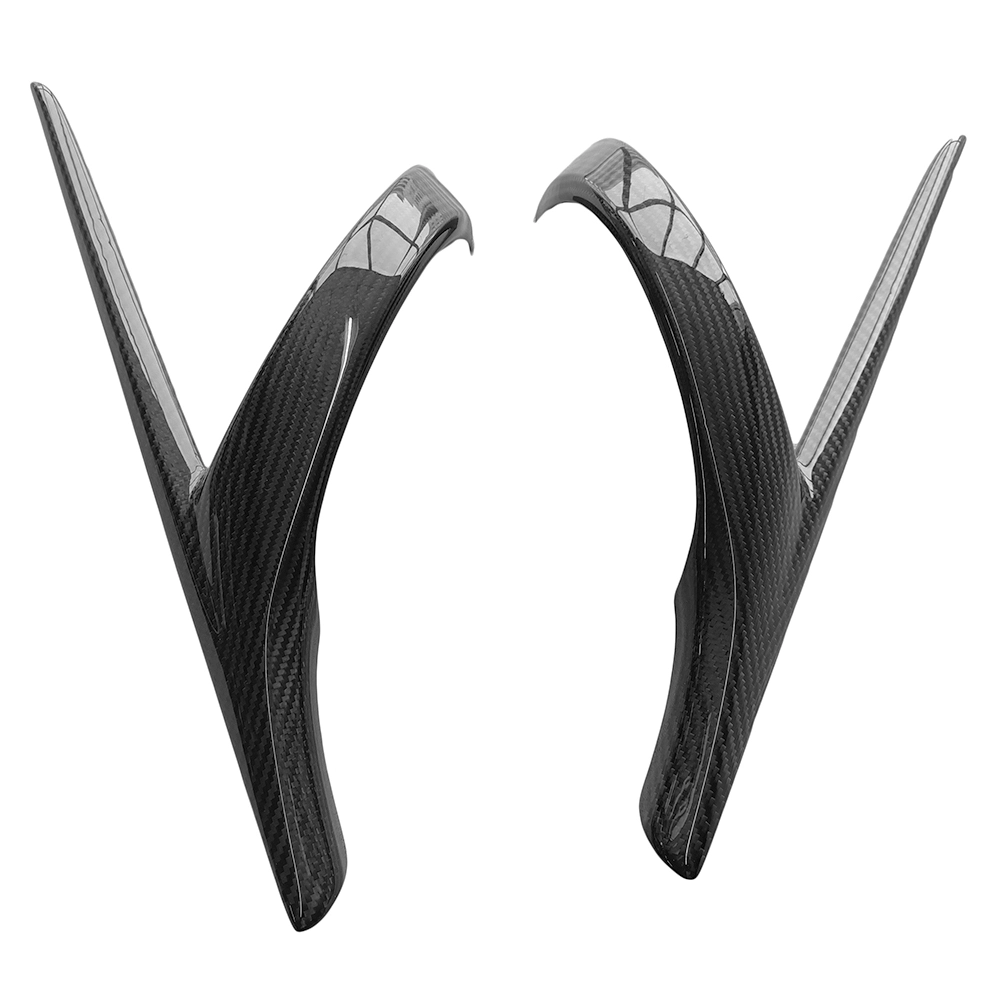
Honda NSX Carbon Fiber Interior Door Handles Replacement
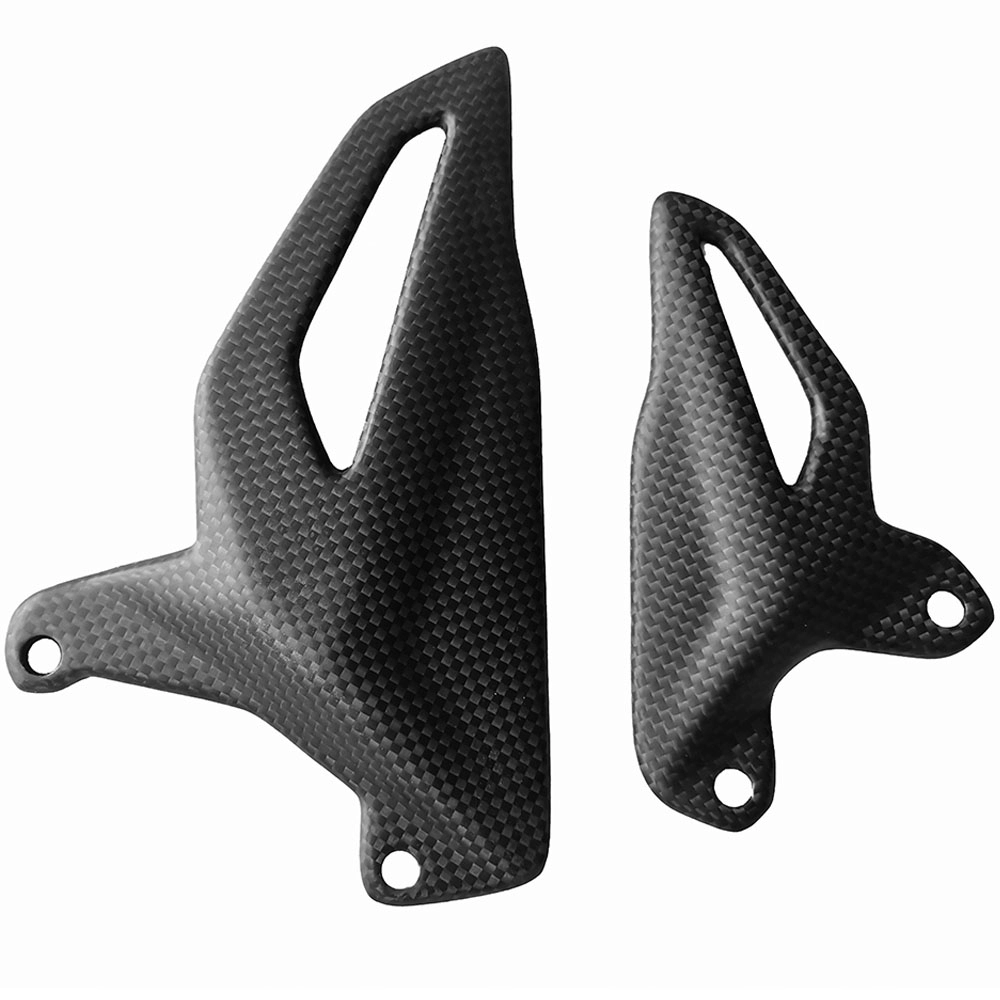
Ducati Panigale/Streetfighter V4 Carbon Fiber Heel Guards
Let’s Bring Your Carbon Fiber Ideas to Life
Have a question or inquiry about our carbon fiber composite products? Leave us a message here, and our team will get back to you promptly.
Whether you're interested in custom orders, technical specifications, or partnership opportunities, we're here to assist you.
Please fill out the fields above with your name, email address, and message.

Supreem Carbon aiming to provide customers with high-performance carbon fiber products and quality services.
Contact Supreem Carbon
Address : Building 1 No.103, Yadi Nan 1st Road, QiaoTou Town, Dongguan City, China.
© 2024 Supreem Carbon All Rights Reserved.
Facebook
Pinterest
LinkedIn
Instagram