

How are carbon fiber parts manufactured?
Carbon fiber parts are renowned for their exceptional strength-to-weight ratio, making them a preferred choice in industries such as automotive, aerospace, and sports equipment. Understanding the manufacturing processes, associated costs, and quality considerations is crucial for businesses looking to procure these components.
1. What are the primary methods for manufacturing carbon fiber parts?
The main manufacturing methods include:
Wet Lay-Up: Involves manually layering carbon fiber sheets and applying resin. It's cost-effective and suitable for low-volume production but may result in less consistent quality.
Prepreg Lamination: Utilizes pre-impregnated carbon fiber sheets that are cured under heat and pressure, offering high-quality results but at a higher cost.
Resin Transfer Molding (RTM): Involves injecting resin into a closed mold containing dry carbon fiber, suitable for medium-volume production with complex geometries.
Compression Molding: Uses high pressure and temperature to cure carbon fiber sheets, ideal for high-volume production with consistent quality.
Each method has its advantages and is chosen based on factors like production volume, part complexity, and desired quality. ((https://www.supreemcarbon.com/top-manufacturing-methods-custom-carbon-fiber-parts.html))
2. What factors influence the choice of manufacturing method?
Key considerations include:
Part Complexity & Geometry: Intricate designs may favor RTM or compression molding, while simpler parts could use wet lay-up or prepreg methods.
Production Volume: Low-volume runs are suited for wet lay-up or manual prepreg, whereas medium-to-high volumes benefit from RTM, compression molding, or automated prepreg lines.
Mechanical Properties: Applications requiring high strength and stiffness, such as aerospace, often use autoclave-cured prepregs.
Surface Finish: Processes like compression molding and RTM provide excellent surface finishes, important for aesthetic applications.
Cost Implications: Tooling and material costs vary; for instance, prepregs are more expensive than dry fiber and resin systems.
Balancing these factors helps in selecting the optimal manufacturing process. ((https://www.supreemcarbon.com/article/carbon-fiber-parts-manufacturing-processes-procurement-guide.html))
3. What are the typical costs associated with manufacturing carbon fiber parts?
Costs encompass:
Raw Materials: Carbon fiber pricing ranges from $20 to over $100 per kilogram, depending on grade and volume.
Tooling: High-quality molds, especially for autoclave or compression molding, can be costly, sometimes reaching hundreds of thousands to millions of dollars.
Labor: Manual processes like wet lay-up are labor-intensive, increasing per-part costs for low-volume production.
Energy: Autoclave curing is energy-intensive due to high heat and pressure requirements.
Post-processing: Trimming, machining, drilling, and painting add to the final cost.
Understanding these costs aids in budgeting and selecting the most cost-effective manufacturing method. ((https://www.supreemcarbon.com/article/carbon-fiber-parts-manufacturing-processes-procurement-guide.html))
4. How do quality control measures impact the procurement of carbon fiber parts?
Quality control ensures that parts meet performance standards and include:
Non-Destructive Testing: Techniques like ultrasonic imaging or X-rays detect internal inconsistencies.
Surface Inspection: Visual checks for defects such as voids, delaminations, or surface imperfections.
Dimensional Verification: Ensuring parts meet specified tolerances.
Implementing stringent quality control measures is essential for ensuring the reliability and safety of carbon fiber components.
5. What are the environmental considerations in carbon fiber parts manufacturing?
Sustainability practices include:
Recycling: Developing methods to recycle carbon fiber composites or repurpose offcuts.
Energy Efficiency: Optimizing processes to reduce energy consumption.
Material Sourcing: Selecting suppliers committed to sustainable practices.
Adopting these practices contributes to environmental responsibility in manufacturing.
6. How does the choice of resin affect carbon fiber part performance?
The resin matrix influences:
Mechanical Properties: Epoxy resins offer high strength and stiffness, suitable for structural applications.
Thermal Stability: Selecting resins with appropriate thermal properties ensures performance under varying temperatures.
Chemical Resistance: Resins must be compatible with the operating environment to prevent degradation.
Choosing the right resin is crucial for achieving desired performance characteristics.
7. What are the advantages of using prepreg materials in carbon fiber manufacturing?
Prepregs offer:
Consistent Resin Content: Ensures uniform mechanical properties.
Improved Surface Finish: Reduces the need for post-processing.
Enhanced Durability: Provides better resistance to environmental factors.
However, they require controlled storage and handling, adding to the complexity and cost. ((https://www.supreemcarbon.com/top-manufacturing-methods-custom-carbon-fiber-parts.html))
8. How does the curing process affect the final properties of carbon fiber parts?
Curing influences:
Mechanical Strength: Proper curing enhances tensile strength and stiffness.
Dimensional Stability: Ensures parts maintain shape under load.
Surface Quality: Affects the finish and appearance of the final product.
Adhering to optimal curing parameters is essential for achieving desired part properties.
Conclusion
When procuring carbon fiber parts, it's essential to consider manufacturing methods, associated costs, quality control measures, environmental practices, and material choices. Supreem Carbon stands out in the industry by offering high-quality carbon fiber components tailored to meet specific requirements, ensuring optimal performance and value.
For a visual demonstration of the carbon fiber manufacturing process, you might find the following video helpful:
(https://www.youtube.com/watch?v=WnYLwQCiZRE&utm_source=openai)
Carbon Fiber Composites: Applications, Benefits, and Industry Trends
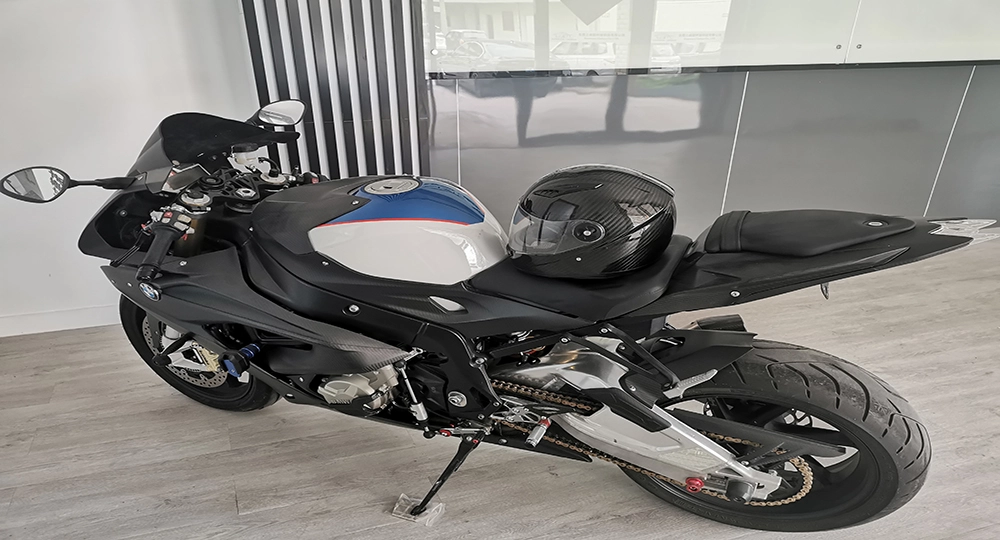
Carbon Fiber Helmet produced by Supreem Carbon.

Understanding the Difference Between Dry Carbon and Wet Carbon Products
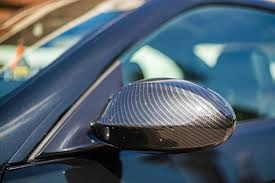
What Are the Most Common Uses of Carbon Fiber in 2025?

Xiaomi SU7 Carbon Fiber Aerodynamic Body Kit – Supreem Carbon Testing Feedback

Customize Your Ride: Top Makers of Automotive Carbon Fiber Parts
For After-sales Service
What can I do if the carbon fiber products arrived is broken?
Please give us feedback as soon as possible and we will send new one to you.
How can I cancel the order?
We may only cancel your order if it has not been fulfilled yet. We would be more than happy to assist you with any adjustments if you'd wish instead!
For Order Delivery
How to choose the mode of transportation?
We use official shipment like Fedex,UPS,DHL and so on. Also customer can arrange delivery by themselves.
For Facotry
Can I visit your company?
Of course, we are in QiaoTou Town, Dongguan City, Guangdong Province, China.
For Carbon Fiber Material
What are the advantages of carbon fiber?
High Strength-to-Weight Ratio
It is stronger than many traditional materials, such as steel and aluminum.This high strength-to-weight ratio allows for the creation of lightweight components that maintain structural integrity and durability.
Lightweight
One of the most significant advantages of carbon fiber is its low density, contributing to lightweight structures. This property is particularly crucial in industries where weight reduction is a priority, such as aerospace, automotive, and sports equipment.
Resistant to corrosion and chemicals
Carbon fiber is inherently resistant to corrosion, making it an ideal material for applications exposed to harsh environments or corrosive substances. This property contributes to the longevity of components and reduces maintenance requirements. Carbon fiber has good chemical resistance, making it suitable for use in environments where exposure to chemicals or harsh solvents is a concern. This resistance enhances the material's durability in various industrial settings.
Tolerant of high temperature
Carbon fiber exhibits excellent thermal stability and resistance to high temperatures. This makes it suitable for applications where components are exposed to elevated temperatures, such as in the aerospace and automotive industries.
Low thermal expansion
Carbon fiber has a low coefficient of thermal expansion, meaning it expands or contracts minimally with changes in temperature. This property contributes to dimensional stability, making carbon fiber components reliable in varying temperature conditions.
Aesthetic Appeal
Carbon fiber has a modern and high-tech appearance, contributing to its aesthetic appeal. This property is leveraged in consumer goods, automotive components, and sporting equipment where visual appeal is important.
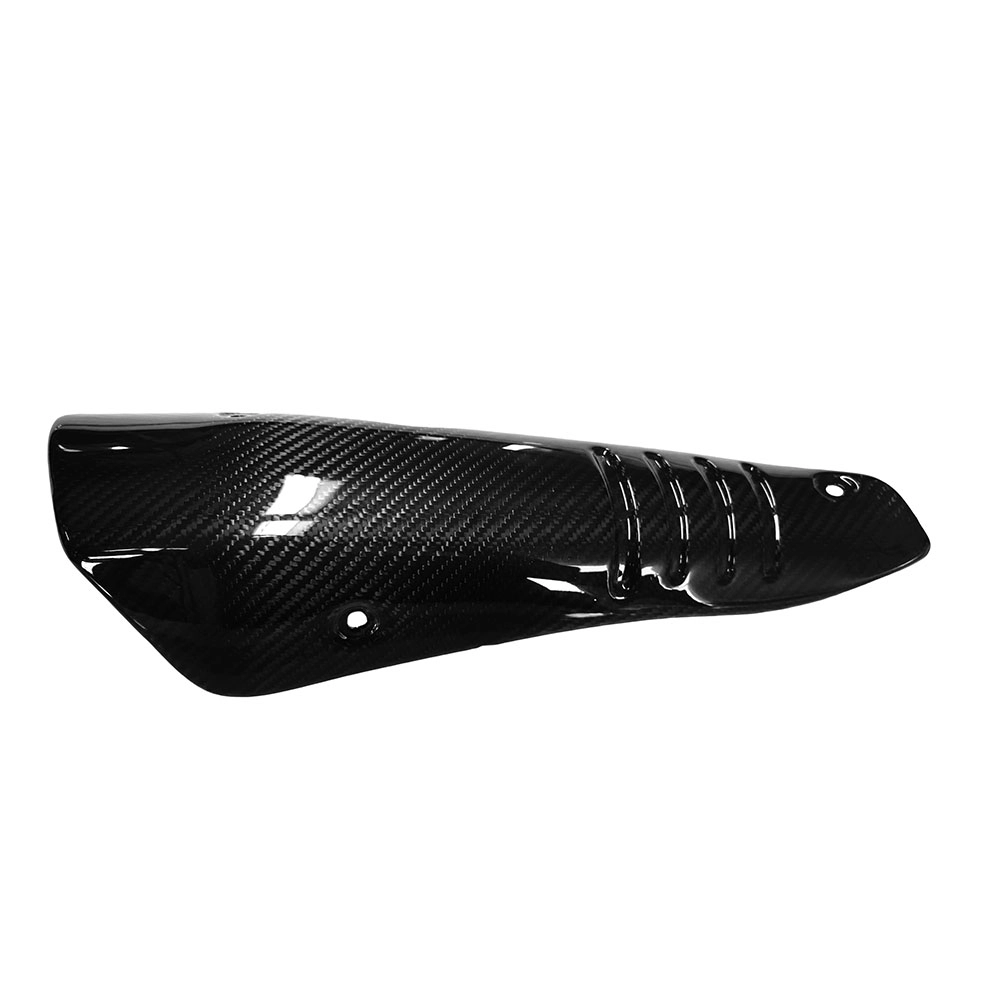
Aprilia Tuono V4 Carbon Fiber Exhaust Cover
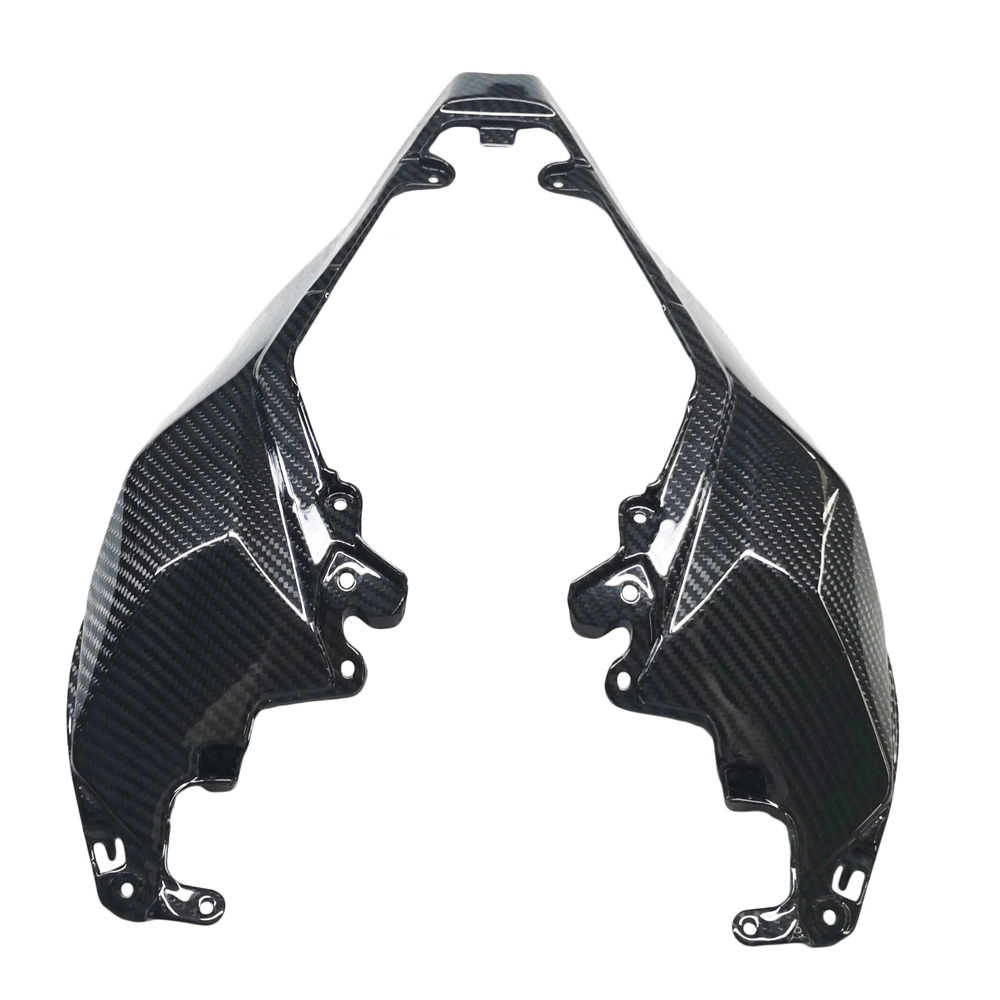
Kawasaki ZX10R Carbon Fiber Rear Tail Panel
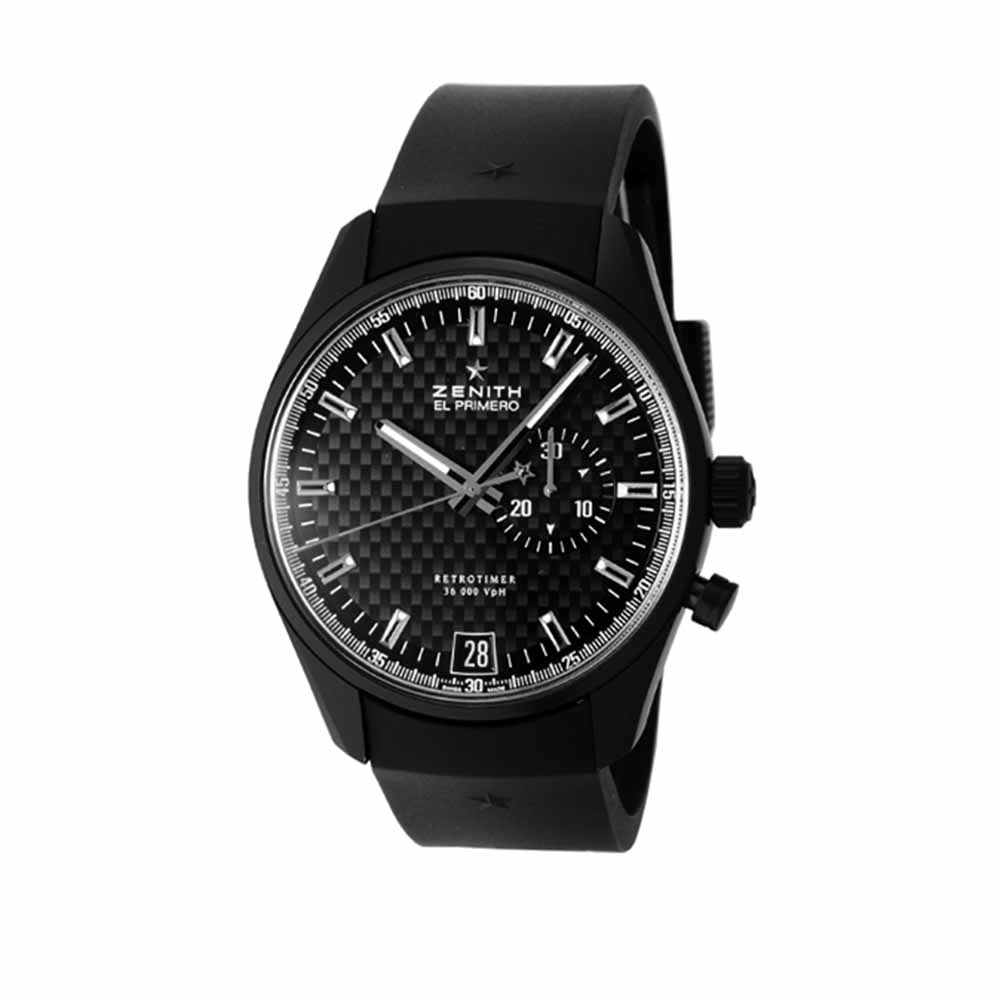
Custom Carbon Fiber Watch
Carbon fiber is becoming a preferred material in the watch industry thanks to its exceptional strength, lightweight structure, and modern aesthetic. Its advanced performance properties make it ideal for producing durable, high-precision watch components.
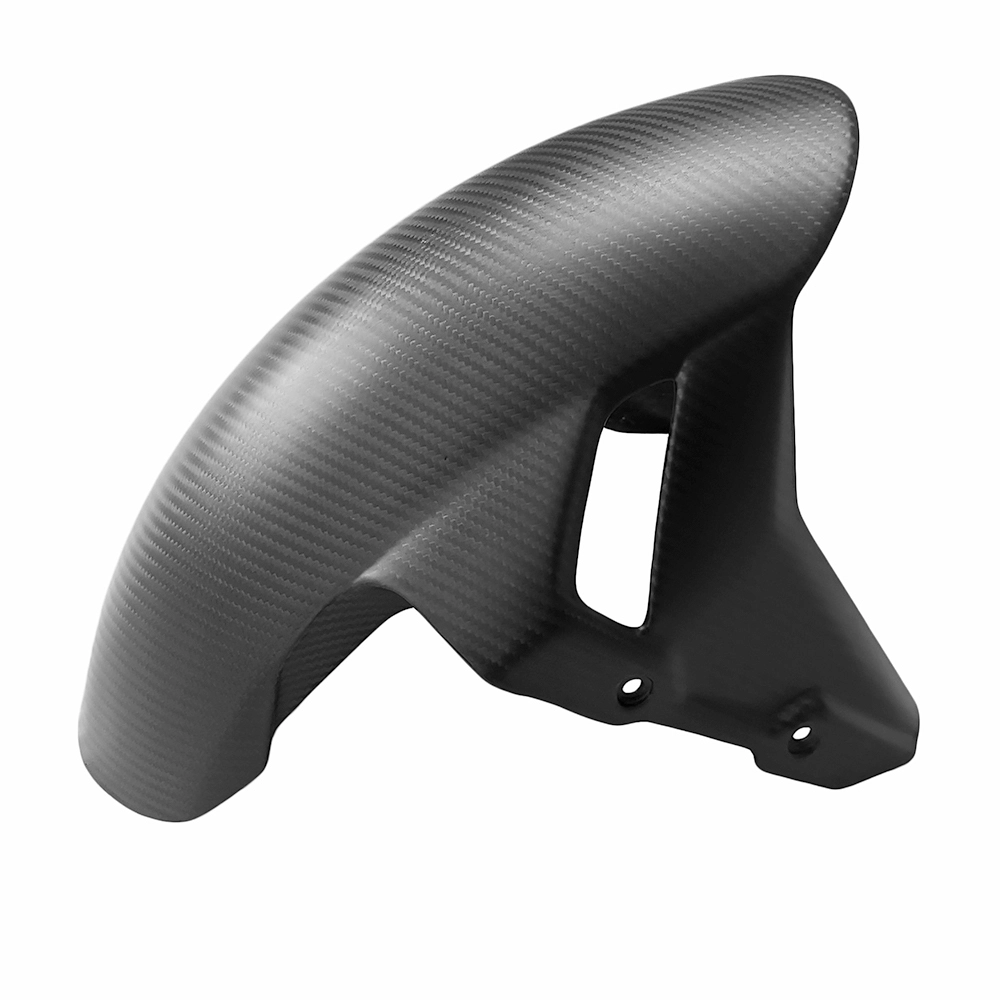
BMW S1000RR S1000R Carbon Fiber Front Fender
The Supreem Carbon Front Fender for BMW S1000RR and S1000R is engineered for durability, precision fitment, and high-performance applications. Manufactured using premium-grade carbon fiber, this fender provides exceptional rigidity, reduced weight, and enhanced aerodynamics—making it suitable for performance upgrades, aftermarket tuning, and professional customization projects.
Let’s Bring Your Carbon Fiber Ideas to Life
Have a question or inquiry about our carbon fiber composite products? Leave us a message here, and our team will get back to you promptly.
Whether you're interested in custom orders, technical specifications, or partnership opportunities, we're here to assist you.
Please fill out the fields above with your name, email address, and message.

Supreem Carbon aiming to provide customers with high-performance carbon fiber products and quality services.
Contact Supreem Carbon
Address : Building 1 No.103, Yadi Nan 1st Road, QiaoTou Town, Dongguan City, China.
© 2024 Supreem Carbon All Rights Reserved.
Facebook
Pinterest
LinkedIn
Instagram