

Which manufacturing methods suit high-volume carbon parts?
Custom carbon fiber parts are renowned for their exceptional strength-to-weight ratio, making them a preferred choice across various industries, including automotive, aerospace, and sports equipment. Understanding the manufacturing processes, cost implications, and procurement strategies is crucial for professionals seeking to integrate carbon fiber components into their products.
Understanding Carbon Fiber Manufacturing Methods
The production of custom carbon fiber parts involves several key manufacturing methods, each with distinct advantages and considerations:
Prepreg Autoclave Curing
This method utilizes pre-impregnated carbon fiber sheets, which are cured under heat and pressure in an autoclave. It offers superior mechanical properties and surface finish, making it ideal for high-performance applications. However, it requires significant investment in equipment and is more suitable for low to medium production volumes. ((https://www.supreemcarbon.com/top-manufacturing-methods-custom-carbon-fiber-parts.html))
Resin Transfer Molding (RTM)
RTM involves injecting resin into a closed mold containing dry carbon fiber preforms. This process is well-suited for medium-volume production of complex parts, offering good surface finishes and mechanical properties. Tooling costs are moderate to high, but cycle times are shorter compared to autoclave curing. ((https://www.supreemcarbon.com/top-manufacturing-methods-custom-carbon-fiber-parts.html))
Vacuum Infusion
In vacuum infusion, dry carbon fiber is laid into a mold, and resin is drawn through the fibers under vacuum pressure. This method is cost-effective for producing larger parts with good mechanical properties and is commonly used for low to medium-volume runs. ((https://www.supreemcarbon.com/top-manufacturing-methods-custom-carbon-fiber-parts.html))
Hand Lay-Up
Hand lay-up is a manual process where dry or wet carbon fiber is placed into an open mold, and resin is applied by hand. It's flexible and low-cost, making it suitable for prototyping and small production runs. However, it offers limited surface finish and repeatability compared to closed-mold techniques. ((https://www.supreemcarbon.com/top-manufacturing-methods-custom-carbon-fiber-parts.html))
Compression Molding
Compression molding involves placing carbon fiber preforms into a heated mold and applying pressure to cure the resin. It's efficient for high-volume production of parts with consistent thickness and surface finish. This method is commonly used for automotive components and other mass-produced items. ((https://www.supreemcarbon.com/top-manufacturing-methods-custom-carbon-fiber-parts.html))
Pultrusion
Pultrusion is a continuous process where carbon fiber is pulled through a resin bath and then through a heated die to form a solid profile. It's ideal for producing long, straight parts like beams and rods and is well-suited for high-volume production.
Selecting the Appropriate Manufacturing Method
Choosing the right manufacturing method depends on several factors:
Part Complexity and Geometry: Complex shapes may favor RTM or compression molding, while simpler parts could use pultrusion or filament winding.
Production Volume: Low-volume (prototypes, custom parts) suits wet lay-up or manual prepreg. Medium-to-high volume benefits from RTM/VARTM, compression molding, or automated prepreg lines. High volume for constant profiles points to pultrusion.
Required Mechanical Properties: Applications demanding the highest strength, stiffness, and minimal void content (e.g., aerospace) typically require autoclave curing of prepregs. Other methods offer varying levels of performance, often sufficient for commercial or industrial uses.
Surface Finish Requirements: Processes like compression molding and RTM provide excellent surface finishes on both sides, critical for aesthetic or aerodynamic applications.
Cost Implications: Tooling costs can range from low for wet lay-up to extremely high for compression molds or large autoclaves. Material costs vary (prepregs are generally more expensive than dry fiber and resin). Labor and energy consumption also contribute significantly.
Cycle Time: Automation and rapid curing processes (e.g., compression molding, pultrusion) offer very short cycle times, essential for high-volume production. ((https://www.supreemcarbon.com/article/carbon-fiber-parts-manufacturing-processes-procurement-guide.html))
Cost Considerations in Carbon Fiber Manufacturing
The cost of manufacturing carbon fiber parts is influenced by several factors:
Material Costs: Carbon fiber pricing can range from $20-100+/kg depending on grade and volume. Prepregs, offering consistency and ease of use, are typically more expensive than purchasing dry fiber and separate resin systems. ((https://www.supreemcarbon.com/article/carbon-fiber-parts-manufacturing-processes-procurement-guide.html))
Tooling Costs: This is often the highest upfront cost. Autoclave molds or compression molds made from invar or steel can cost hundreds of thousands to millions of dollars. Wet lay-up molds, often made from composites or wood, are significantly cheaper. ((https://www.supreemcarbon.com/article/carbon-fiber-parts-manufacturing-processes-procurement-guide.html))
Labor and Energy: Manual processes like wet lay-up or hand prepreg lay-up are labor-intensive, increasing per-part cost for low-volume production. Automated processes reduce labor cost per part. Autoclave curing is energy-intensive due to high heat and pressure requirements. ((https://www.supreemcarbon.com/article/carbon-fiber-parts-manufacturing-processes-procurement-guide.html))
Procurement Tips for Custom Carbon Fiber Parts
When sourcing custom carbon fiber parts, consider the following:
Supplier Reliability: Verify certifications (e.g., ISO), review reorder rates, and request factory audit reports. Suppliers with 90%+ on-time delivery metrics are preferable.
Quality Assurance: Ensure the supplier has robust quality control processes in place to meet your specifications.
Lead Times: Standard lead times are typically around 15 working days, but expedited services may be available.
Cost Estimates: Obtain detailed quotes that include material, tooling, labor, and shipping costs to accurately assess the total expenditure.
Conclusion
Selecting the appropriate manufacturing method and understanding the associated costs are pivotal in procuring custom carbon fiber parts that meet performance and budgetary requirements. By carefully evaluating these factors, professionals can make informed decisions that enhance product quality and efficiency.
About Supreem Carbon
Supreem Carbon specializes in high-quality custom carbon fiber parts, offering a range of manufacturing methods tailored to client needs. With a monthly production capacity of over 4,000 pieces, Supreem Carbon ensures timely delivery and exceptional product quality. ((https://www.supreemcarbon.com/guides/carbon-fiber-manufacturing-guide.html))
References

Understanding the Difference Between Dry Carbon and Wet Carbon Products
Supreem Carbon: Asya'nın En İyi Profesyonel Motosiklet Karbon Fiber Üretici Markası
Supreem Carbon New arrivals alert!
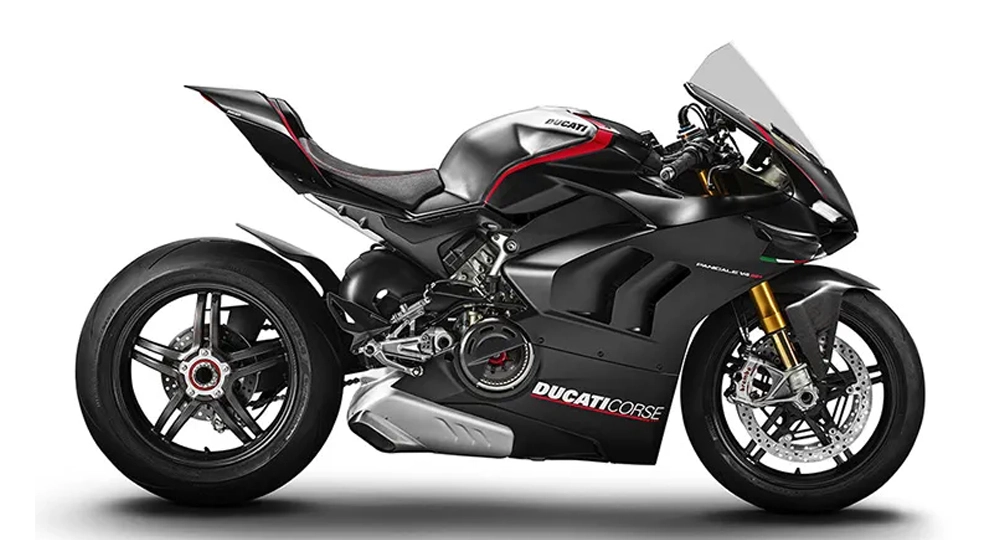
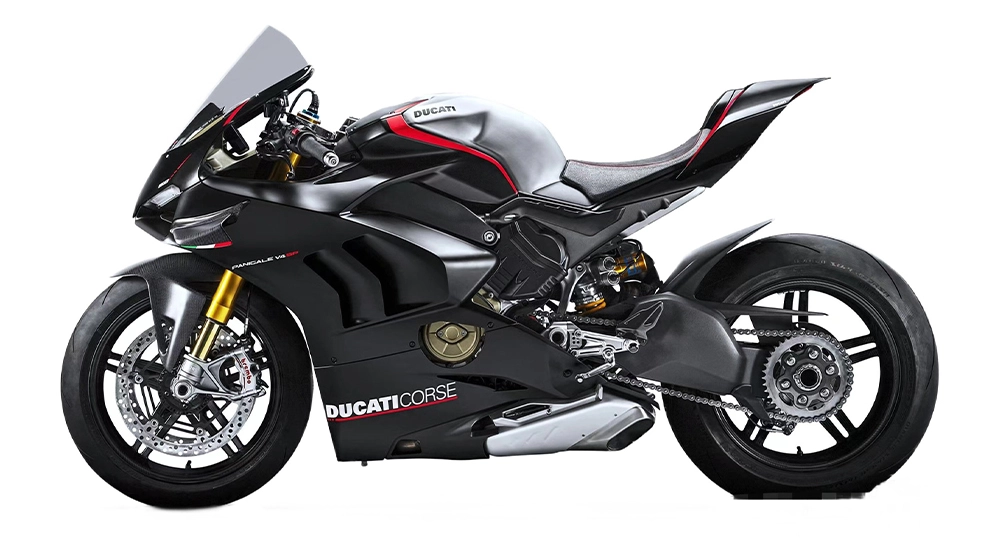
Great News!!! Ducati V4 SP new arrivals released.
Carbon Fibers: What Are They and Why Are They Everywhere? (Production, Properties, and Uses Explained)
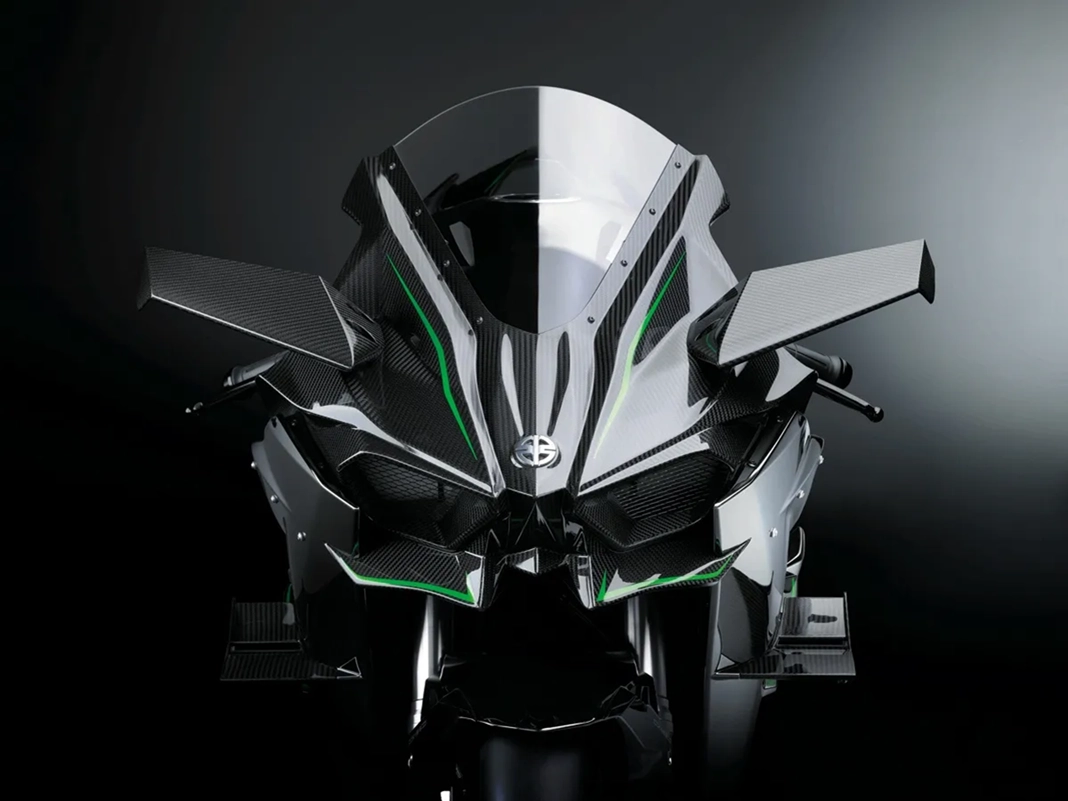
Common Carbon Fiber Product Production Processes and Applications
For Products
What is main products for factory?
Supreem carbon mainly produce carbon fiber custom products for automobile and motorcycle accessaries, including the design, develop and manufacturing of appearance parts, interior parts, functional parts, etc. Other carbon fiber custom goods also can produce for you.
Which carbon fiber material you can provide in production?
1*1 plain /2*2 twill / forged carbon / honeycomb / kevlar and so on.
Are you parts have UV protected?
Absolutely! We use multiple layers of premium quality automotive clear (or matt) coats on our products, which ensure that they will remain super pretty for years to come.
For Order Delivery
How to choose the mode of transportation?
We use official shipment like Fedex,UPS,DHL and so on. Also customer can arrange delivery by themselves.
For Carbon Fiber Material
What are the advantages of carbon fiber?
High Strength-to-Weight Ratio
It is stronger than many traditional materials, such as steel and aluminum.This high strength-to-weight ratio allows for the creation of lightweight components that maintain structural integrity and durability.
Lightweight
One of the most significant advantages of carbon fiber is its low density, contributing to lightweight structures. This property is particularly crucial in industries where weight reduction is a priority, such as aerospace, automotive, and sports equipment.
Resistant to corrosion and chemicals
Carbon fiber is inherently resistant to corrosion, making it an ideal material for applications exposed to harsh environments or corrosive substances. This property contributes to the longevity of components and reduces maintenance requirements. Carbon fiber has good chemical resistance, making it suitable for use in environments where exposure to chemicals or harsh solvents is a concern. This resistance enhances the material's durability in various industrial settings.
Tolerant of high temperature
Carbon fiber exhibits excellent thermal stability and resistance to high temperatures. This makes it suitable for applications where components are exposed to elevated temperatures, such as in the aerospace and automotive industries.
Low thermal expansion
Carbon fiber has a low coefficient of thermal expansion, meaning it expands or contracts minimally with changes in temperature. This property contributes to dimensional stability, making carbon fiber components reliable in varying temperature conditions.
Aesthetic Appeal
Carbon fiber has a modern and high-tech appearance, contributing to its aesthetic appeal. This property is leveraged in consumer goods, automotive components, and sporting equipment where visual appeal is important.
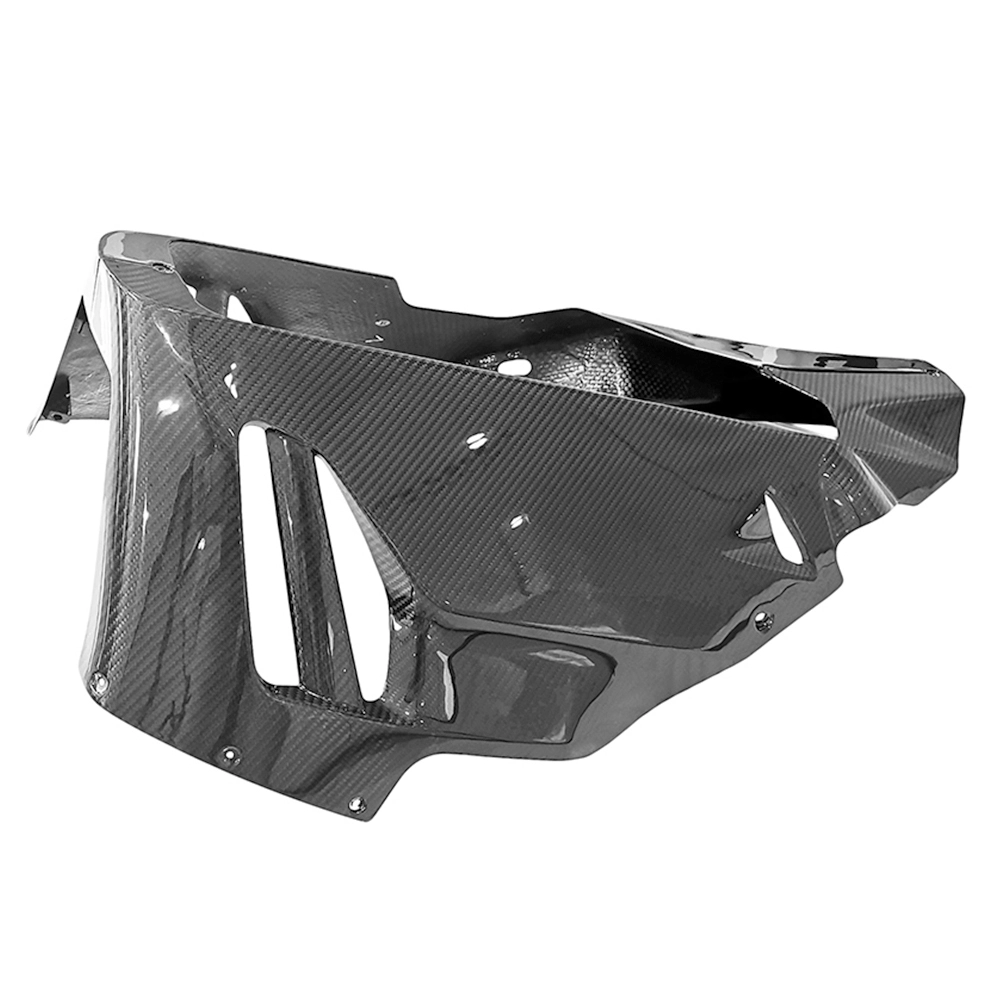
Honda CBR1000RR-R Carbon Fiber Belly Pan Lower Side Fairings
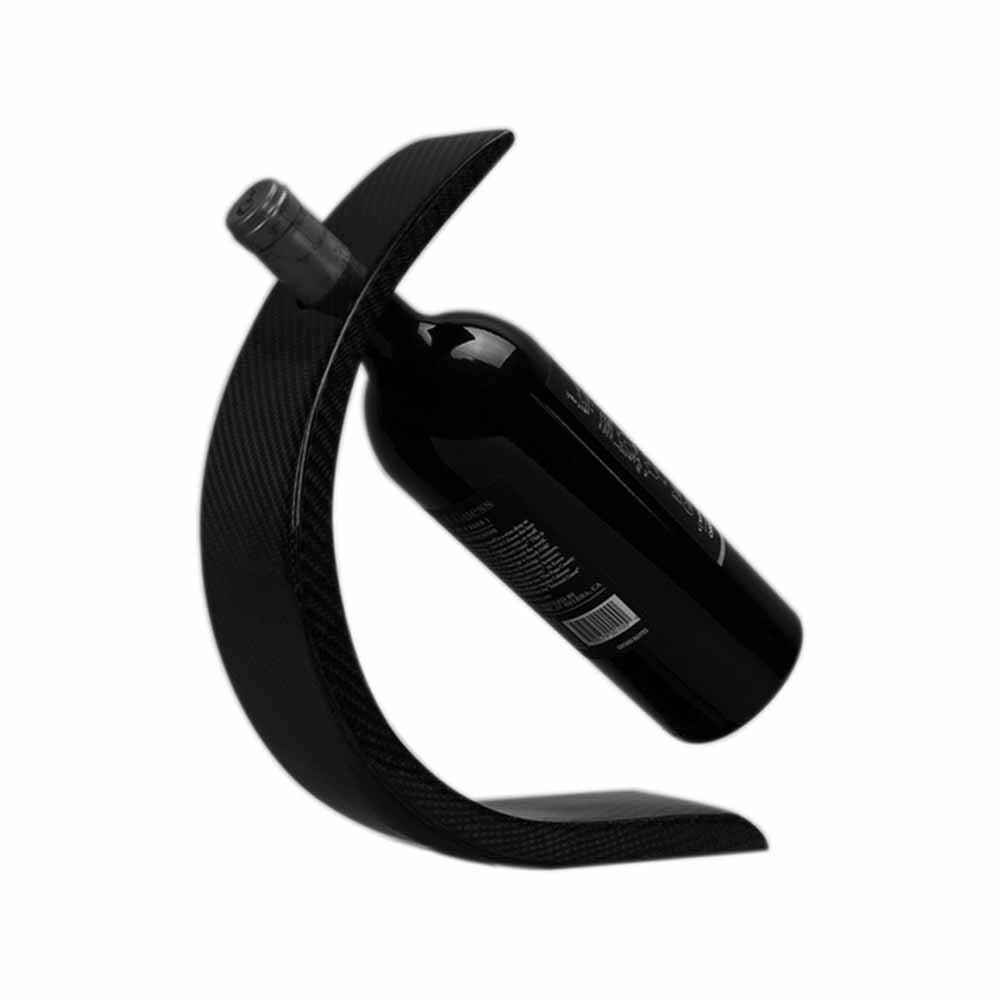
Custom Carbon Fiber Wine Bracket
A carbon fiber wine bracket is a premium display solution engineered to combine modern aesthetics with exceptional structural performance. Manufactured from high-strength carbon fiber composite materials, it offers a lightweight yet rigid support system for securely holding and showcasing wine bottles. Its refined texture, durability, and contemporary design make it ideal for luxury retail environments, custom interior projects, and high-end hospitality applications.
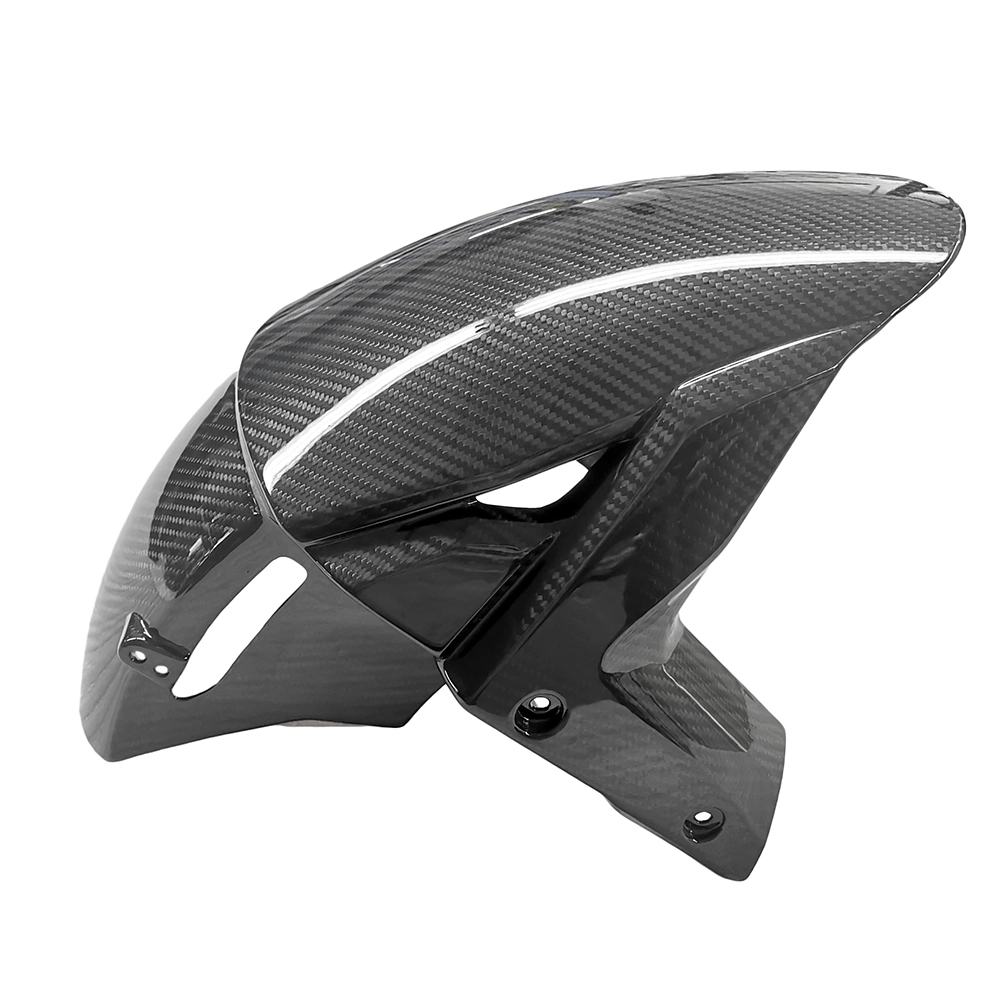
Kawasaki ZX10R Carbon Fiber Front Fender
Introducing the Supreem carbon fiber front fender, designed specifically for the Kawasaki ZX10R. Crafted with precision and expertise, it is the epitome of quality and performance. Made from high-quality carbon fiber, our front fender is incredibly lightweight yet extremely strong and durable. Our advanced manufacturing process ensures a perfect fit for the Kawasaki ZX10R, seamlessly integrating with the bike's design.

Carbon Fiber Steering Wheels Wrapping Customization
We can provide customized solutions for different styles of carbon fiber steering wheels according to customer needs. All you need to do is provide us with the original parts. We will provide a variety of material options for you. Upgrade your driving experience!
Let’s Bring Your Carbon Fiber Ideas to Life
Have a question or inquiry about our carbon fiber composite products? Leave us a message here, and our team will get back to you promptly.
Whether you're interested in custom orders, technical specifications, or partnership opportunities, we're here to assist you.
Please fill out the fields above with your name, email address, and message.

Supreem Carbon aiming to provide customers with high-performance carbon fiber products and quality services.
Contact Supreem Carbon
Address : Building 1 No.103, Yadi Nan 1st Road, QiaoTou Town, Dongguan City, China.
© 2024 Supreem Carbon All Rights Reserved.
Facebook
Pinterest
LinkedIn
Instagram