


How to repair delamination in aerospace carbon fiber parts?
- Understanding and Repairing Carbon Fiber Delamination in Aerospace Components
- 1. What Causes Delamination in Carbon Fiber Composites?
- 2. How Is Delamination Detected in Aerospace Components?
- 3. What Are the Common Repair Techniques for Delaminated Carbon Fiber Parts?
- 4. What Tools and Materials Are Necessary for Repairing Carbon Fiber Parts?
- 5. How Can Delamination Be Prevented in Carbon Fiber Parts?
- 6. What Are the Latest Advancements in Carbon Fiber Repair Technologies?
- 7. How Long Do Carbon Fiber Parts Last?
- 8. What Are the Challenges in Repairing Carbon Fiber Composites?
- Conclusion: Why Choose Supreem Carbon?
Understanding and Repairing Carbon Fiber Delamination in Aerospace Components
Carbon fiber composites are integral to modern aerospace engineering due to their high strength-to-weight ratio and durability. However, delamination—a separation between layers within the composite material—can compromise structural integrity. This article addresses common questions regarding carbon fiber delamination and its repair in aerospace applications.
1. What Causes Delamination in Carbon Fiber Composites?
Delamination in carbon fiber composites can result from several factors:
Impact Damage: Low-energy impacts, such as tool drops or collisions with runway debris, can initiate delamination.
Manufacturing Defects: Inadequate curing processes or improper material handling during manufacturing can lead to internal weaknesses.
Environmental Factors: Exposure to moisture and temperature fluctuations can degrade the adhesive bonds between layers, leading to delamination.
2. How Is Delamination Detected in Aerospace Components?
Detecting delamination is crucial for maintaining structural integrity:
Non-Destructive Testing (NDT): Techniques such as ultrasonic testing, thermography, and X-ray inspection allow for the detection of internal delaminations without damaging the component.
Visual Inspection: Surface anomalies like bulging, cracks, or changes in surface texture can indicate underlying delamination.
3. What Are the Common Repair Techniques for Delaminated Carbon Fiber Parts?
Repair methods depend on the extent of the delamination:
Minor Delamination: For small, superficial delaminations:
Surface Preparation: Clean and sand the damaged area to expose intact fibers.
Resin Application: Apply compatible epoxy resin to the prepared surface.
Re-lamination: Lay new carbon fiber layers matching the original orientation.
Curing: Allow the resin to cure as per manufacturer's recommendations. ((https://www.supreemcarbon.com/article/effective-repair-techniques-for-delaminated-carbon-fiber-parts.html))
Significant Delamination: For extensive delamination:
Scarf Repair: Remove the damaged area in a tapered fashion and bond a new composite patch using adhesive bonding.
Stitching Repair: Insert stitches through the delaminated area to hold the layers together, enhancing the repair's strength.
Autoclave Curing: Use an autoclave to cure the repair under controlled temperature and pressure, ensuring optimal bonding.
4. What Tools and Materials Are Necessary for Repairing Carbon Fiber Parts?
Essential tools and materials include:
Sanding Tools: For surface preparation.
Epoxy Resin: Compatible with carbon fiber.
Carbon Fiber Sheets: Matching the original material.
Vacuum Bagging Equipment: To apply pressure during curing.
Autoclave: For high-pressure curing, if available. ((https://www.supreemcarbon.com/article/effective-repair-techniques-for-delaminated-carbon-fiber-parts.html))
5. How Can Delamination Be Prevented in Carbon Fiber Parts?
Preventive measures include:
Optimized Manufacturing Techniques: Employing advanced methods like Tailored Fiber Placement (TFP) allows for precise fiber orientation and material placement, reducing internal stresses and enhancing the composite's resistance to delamination. ((https://www.supreemcarbon.com/article/effective-repair-techniques-for-delaminated-carbon-fiber-parts.html))
Use of Reinforcement Methods: Incorporating techniques such as Z-pinning, where reinforcing fibers are inserted perpendicular to the composite layers, can significantly improve resistance to delamination. ((https://www.supreemcarbon.com/article/effective-repair-techniques-for-delaminated-carbon-fiber-parts.html))
Environmental Protection: Applying protective coatings or using ceramic matrix composites can shield carbon fiber components from environmental degradation, thereby reducing the likelihood of delamination. ((https://www.supreemcarbon.com/article/effective-repair-techniques-for-delaminated-carbon-fiber-parts.html))
6. What Are the Latest Advancements in Carbon Fiber Repair Technologies?
Recent innovations include:
Self-Healing Composites: Materials embedded with microcapsules that release healing agents upon damage, autonomously repairing minor delaminations.
Nano-Enhanced Resins: Incorporation of nanomaterials like carbon nanotubes and graphene into resins to improve strength, flexibility, and thermal stability of repairs.
AI and Robotics: Automated systems for precise inspection and repair, reducing human error and improving efficiency.
7. How Long Do Carbon Fiber Parts Last?
The lifespan of carbon fiber parts varies based on factors such as material quality, manufacturing processes, and operating conditions. Proper maintenance and timely repairs can significantly extend the service life of these components. ((https://www.supreemcarbon.com/preventing-delamination-carbon-fiber-composites.html))
8. What Are the Challenges in Repairing Carbon Fiber Composites?
Challenges include:
Material Compatibility: Ensuring that repair materials match the original composite in terms of properties and performance.
Curing Processes: Achieving optimal curing conditions, especially when using autoclaves or other specialized equipment.
Skill Requirements: Repairing carbon fiber composites requires specialized knowledge and skills to ensure structural integrity and safety.
Conclusion: Why Choose Supreem Carbon?
Supreem Carbon offers over 10 years of experience in the carbon fiber industry, providing high-quality products and comprehensive repair solutions. Their expertise ensures that clients receive durable and reliable carbon fiber components, backed by excellent customer service and technical support.

How Long Do Carbon Fiber Parts Last? | Supreem Carbon
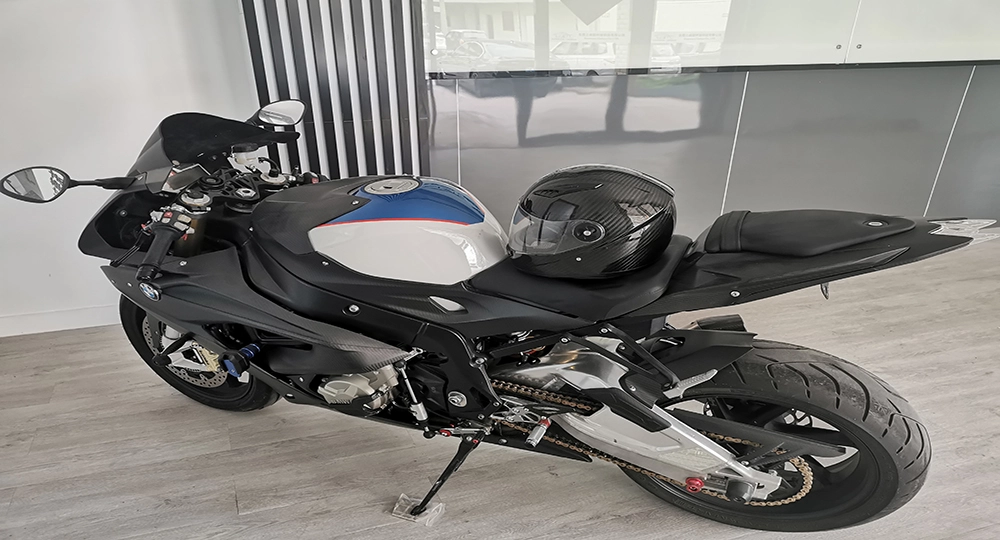
Carbon Fiber Helmet produced by Supreem Carbon.

100% Carbon fiber dash panel and window door trims set for NSX

Custom Xiaomi SU7 Carbon Fiber Parts – Supreem Carbon
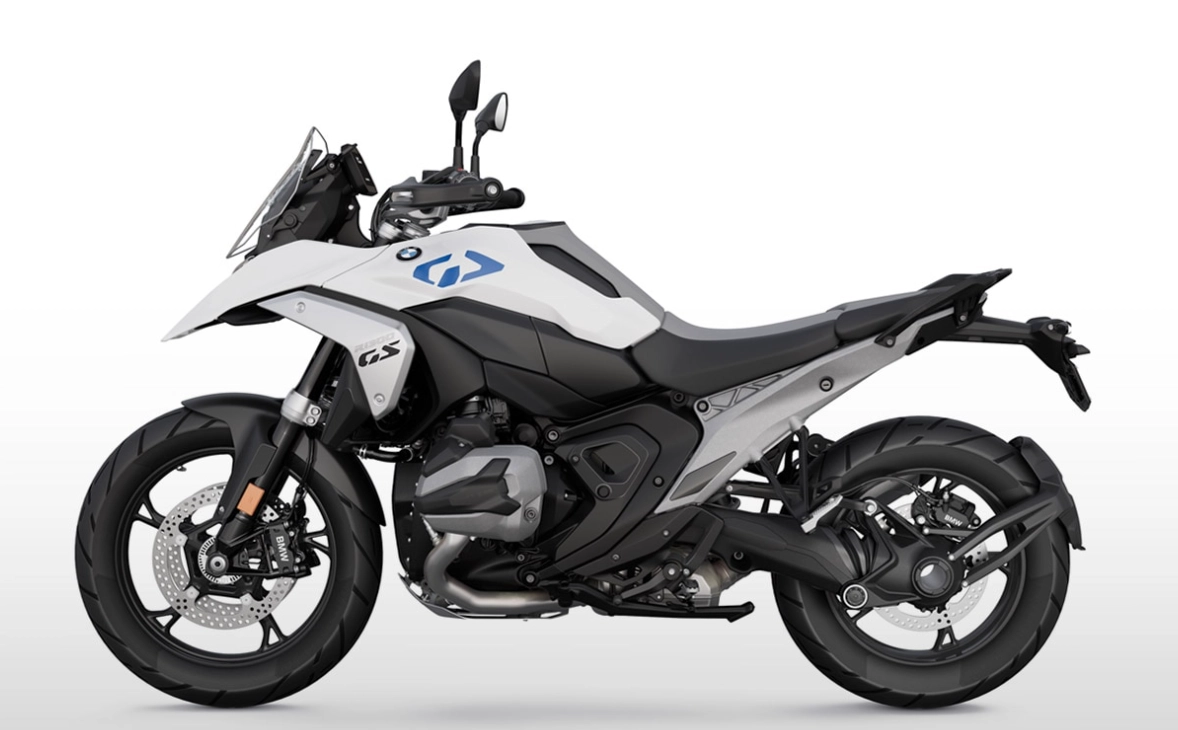
Supreem Carbon New Motorcycle Carbon Parts Development Plan.

Best 10 car carbon fiber customization suppliers brands in Asia
For Facotry
How many employees of Supreem carbon?
We have over 50 employees, including over 40 skilled workers, 3 R&D designers, and 5 QC professionals and so on.
Can I visit your company?
Of course, we are in QiaoTou Town, Dongguan City, Guangdong Province, China.
For Customized Service
What is the customization process of carbon fiber products?
1. Customer provide 3D drawing, design requirement or idea
2. Technician evaluate project feasibility and provide a quotation
3. Project confirmation and arrange sample production
4. Delivery and customer feedback
5. Big scale orders production
For After-sales Service
How can I cancel the order?
We may only cancel your order if it has not been fulfilled yet. We would be more than happy to assist you with any adjustments if you'd wish instead!
Do you offer a warranty?
Six month standard warranty on all products. Damage due to installation error or natural elements will not be covered.
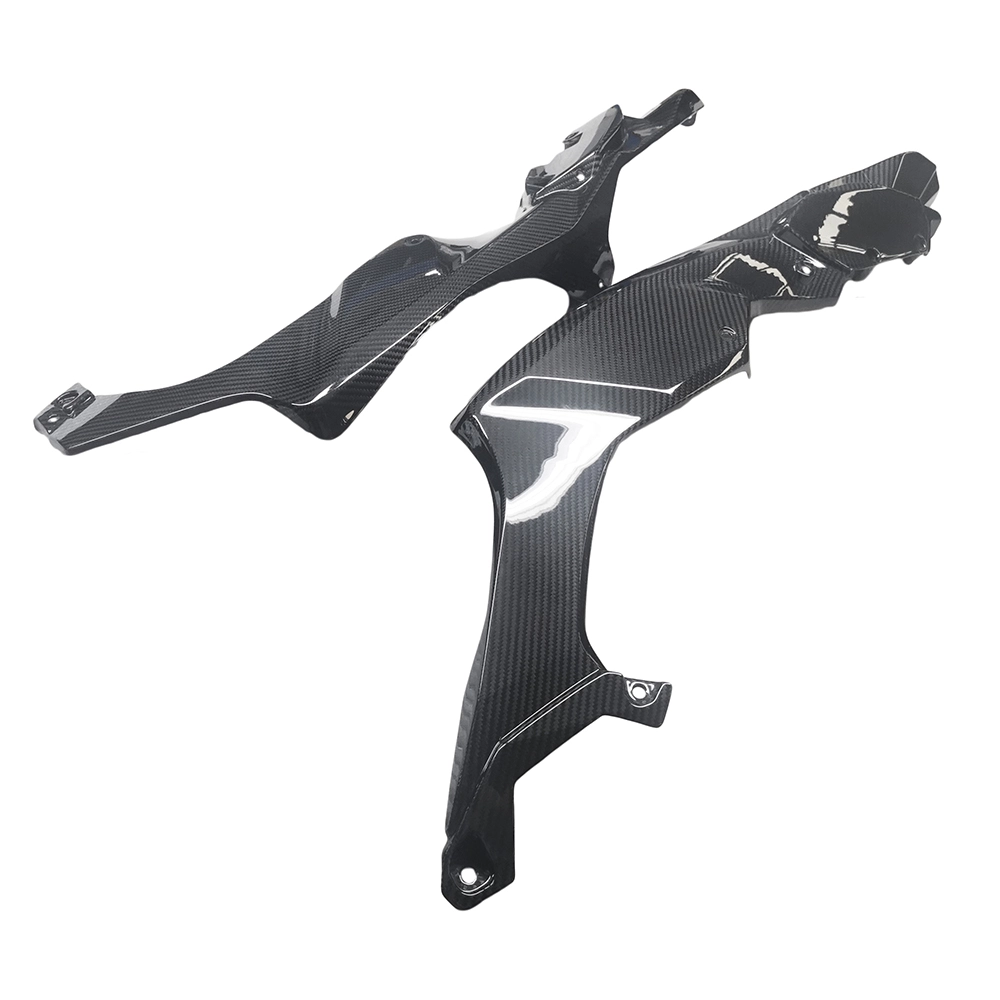
Kawasaki ZX10R Carbon Fiber Long Side Panels
The Supreem Carbon Fiber Long Side Panels are designed for the Kawasaki ZX10R. Crafted with precision and expertise, these fairings are designed to enhance the performance and appearance of your motorcycle. Made from high-quality carbon fiber, the fairing is lightweight yet incredibly durable, providing optimal protection for your motorcycle.
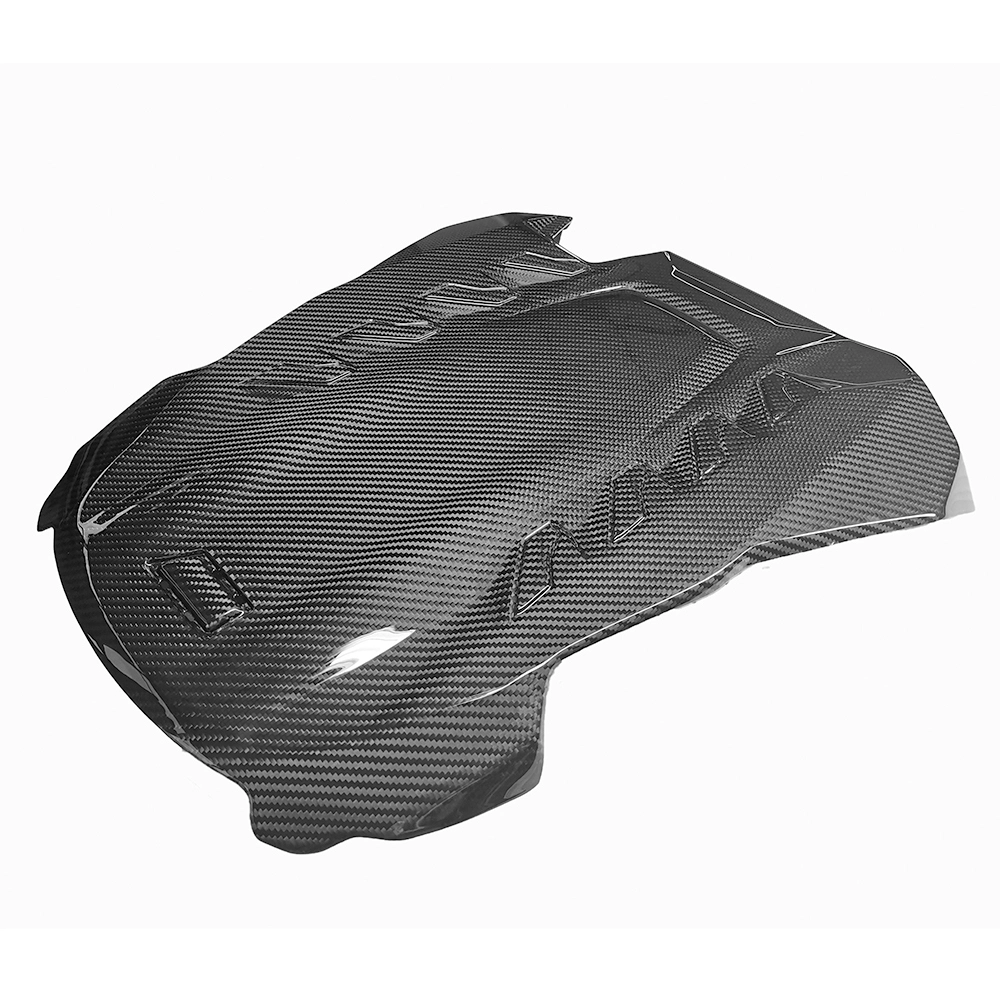
BMW F85/ F86 Carbon Fiber Interior Engine Cover Replacement
Crafted with precision, this BMW carbon fiber accessory combines perfect fitment with superior UV protection and clearcoat finishing. Ideal for OEM-quality upgrades and custom builds.
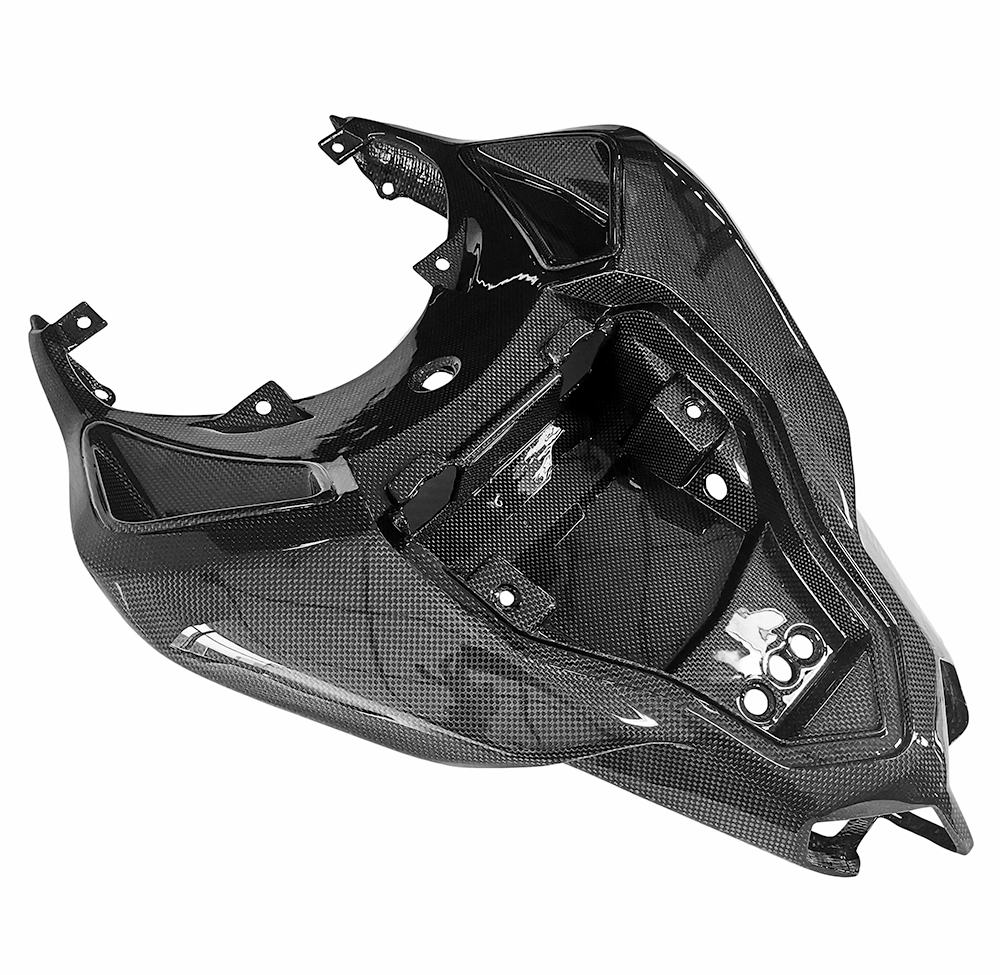
Ducati 848/1098/796/1198 Carbon Fiber Tail Cowl
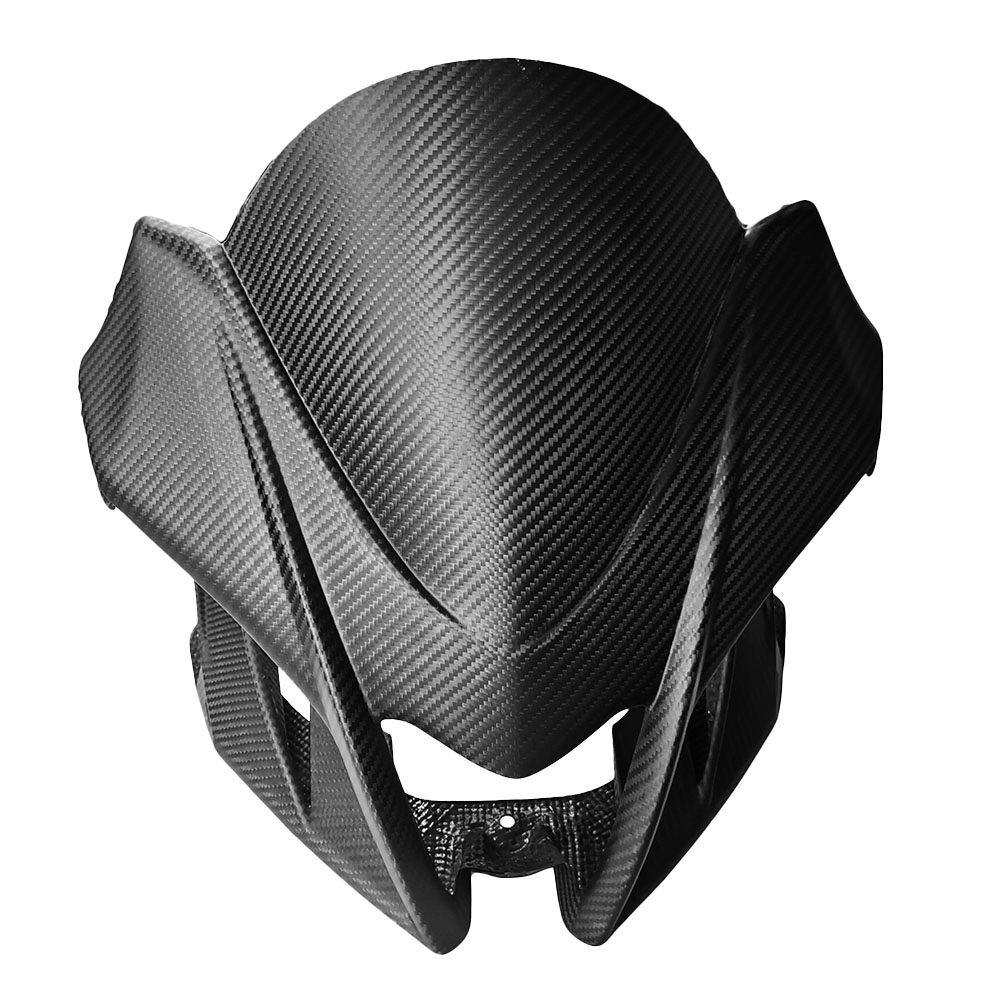
Aprilia Tuono V4 Carbon Fiber Front Fairing with Windshield
Let’s Bring Your Carbon Fiber Ideas to Life
Have a question or inquiry about our carbon fiber composite products? Leave us a message here, and our team will get back to you promptly.
Whether you're interested in custom orders, technical specifications, or partnership opportunities, we're here to assist you.
Please fill out the fields above with your name, email address, and message.

Supreem Carbon aiming to provide customers with high-performance carbon fiber products and quality services.
Contact Supreem Carbon
Address : Building 1 No.103, Yadi Nan 1st Road, QiaoTou Town, Dongguan City, China.
© 2024 Supreem Carbon All Rights Reserved.
Facebook
Pinterest
LinkedIn
Instagram