



how to fix carbon fiber cracks | Supreem Carbon Expert Guide
- How to Fix Carbon Fiber Cracks: Essential Knowledge for Industry Users
- 1. What Are the Most Effective Methods to Repair Carbon Fiber Cracks?
- 2. What Tools and Materials Are Needed to Fix Carbon Fiber Cracks?
- 3. How Can I Identify Quality Carbon Fiber Parts During Procurement?
- 4. What Are Common Causes of Carbon Fiber Cracks and How to Prevent Them?
- 5. When Is It Better to Replace Rather Than Repair a Carbon Fiber Part?
How to Fix Carbon Fiber Cracks: Essential Knowledge for Industry Users
Carbon fiber is renowned for its strength-to-weight ratio and is widely used in aerospace, automotive, sporting goods, and other high-performance sectors. However, carbon fiber parts are susceptible to cracks due to impact, stress, or manufacturing flaws, which can compromise structural integrity. Understanding how to fix these cracks and what to consider when purchasing carbon fiber parts is crucial for industry professionals.
1. What Are the Most Effective Methods to Repair Carbon Fiber Cracks?
Repair methods depend on the crack's size and location. Common techniques include:
- Epoxy Resin Infusion: Small cracks can be filled with high-quality aerospace-grade epoxy resin to restore strength and seal the area.
- Patching: For larger cracks, applying a carbon fiber patch using vacuum bagging or wet lay-up methods with proper curing ensures structural integrity.
- Professional Repair Services: Severe damage requires evaluation by specialists who use autoclave curing or advanced composite repair techniques.
2. What Tools and Materials Are Needed to Fix Carbon Fiber Cracks?
To repair carbon fiber cracks effectively, you typically need:
- High-quality epoxy resin and compatible hardener
- Carbon fiber fabric patches with weave matching the original
- Sandpaper (various grits for surface preparation)
- Protective equipment (gloves, respirator)
- Vacuum bagging kit or press for curing
- Heat source or oven if required for post-curing
3. How Can I Identify Quality Carbon Fiber Parts During Procurement?
When purchasing carbon fiber parts, consider:
- Material Origin: Ensure suppliers source raw materials from certified manufacturers like Toray or Hexcel, known for consistent quality.
- Resin System: Pre-impregnated (prepreg) parts cured under controlled conditions generally offer superior reliability.
- Certification: Parts should come with traceability documentation and testing reports such as ASTM standards.
- Manufacturer Reputation: Verify supplier expertise and customer reviews in your industry sector.
4. What Are Common Causes of Carbon Fiber Cracks and How to Prevent Them?
Cracks commonly result from:
- Impact Damage: Collisions or drops can cause microcracks.
- Fatigue: Repeated loading cycles lead to fiber breakage.
- Manufacturing Defects: Improper curing can induce stress points.
5. When Is It Better to Replace Rather Than Repair a Carbon Fiber Part?
If cracks penetrate multiple layers or affect load-bearing areas extensively, repairs may not restore structural integrity. According to SAE International guidelines, replacement is recommended when:
- More than 10% of the fiber volume is compromised
- Delamination is extensive
- Repeated repairs have been attempted previously
For buyers and maintenance professionals, understanding repair limits and procurement considerations helps maximize asset life and performance in carbon fiber parts.
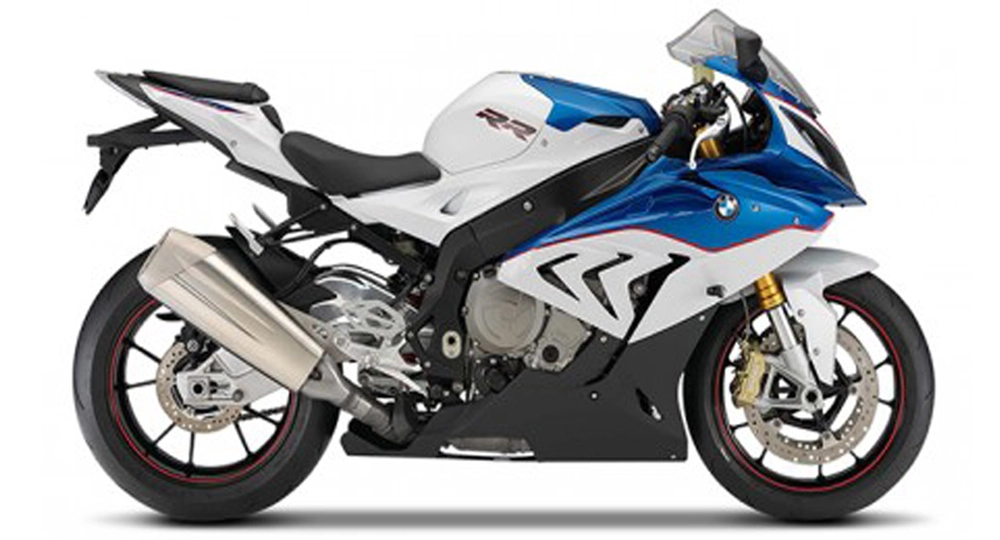
Supreem Carbon new arrivals released!

New Arrivals of BMW S1000RR 2020+ full carbon fiber sets.

Carbon Fiber Hoods: Your Ultimate Guide to Performance, Aesthetics, and Value

Newest Acura NSX Carbon Fiber Hood Vent released!

Supreem Carbon new arrivals released!
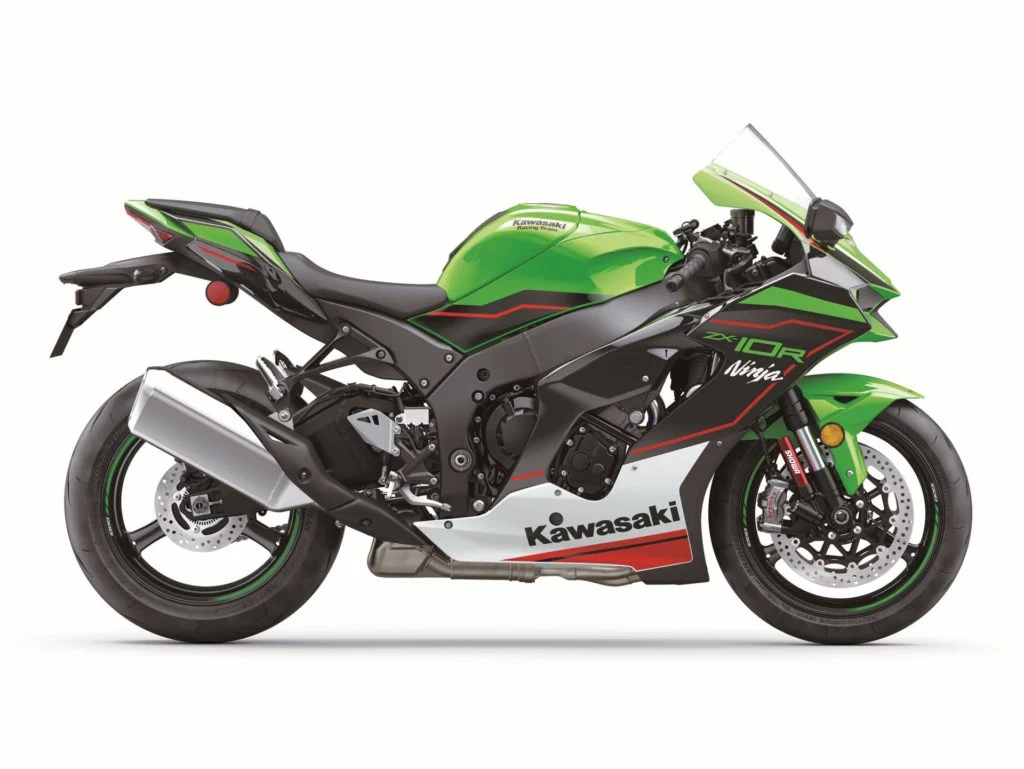
New Motorcycle Carbon Fiber Parts released!
For Products
Are you parts have UV protected?
Absolutely! We use multiple layers of premium quality automotive clear (or matt) coats on our products, which ensure that they will remain super pretty for years to come.
Which carbon fiber material you can provide in production?
1*1 plain /2*2 twill / forged carbon / honeycomb / kevlar and so on.
For Customized Service
What can be customized in addition to customized carbon fiber parts?
You can customize your company logo, packaging, even the color of coating and so on.
For Order Delivery
What is the shipping time for the different ways?
Express delivery 5-7 days.
20-25 days by sea.
15 days by air.
For After-sales Service
Do you offer the fitting advice?
Of course! If you have any questions, please contact us on info@supreemcarbon.com.
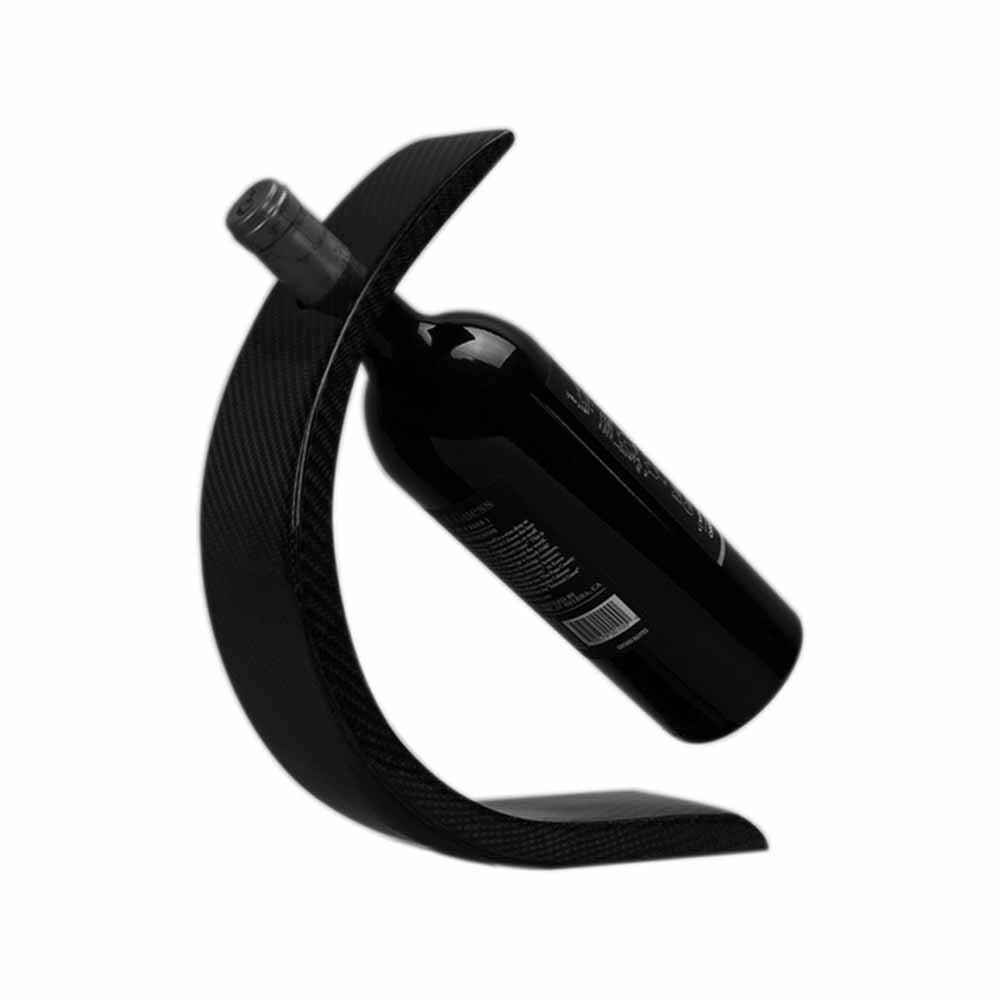
Custom Carbon Fiber Wine Bracket
A carbon fiber wine bracket is a premium display solution engineered to combine modern aesthetics with exceptional structural performance. Manufactured from high-strength carbon fiber composite materials, it offers a lightweight yet rigid support system for securely holding and showcasing wine bottles. Its refined texture, durability, and contemporary design make it ideal for luxury retail environments, custom interior projects, and high-end hospitality applications.
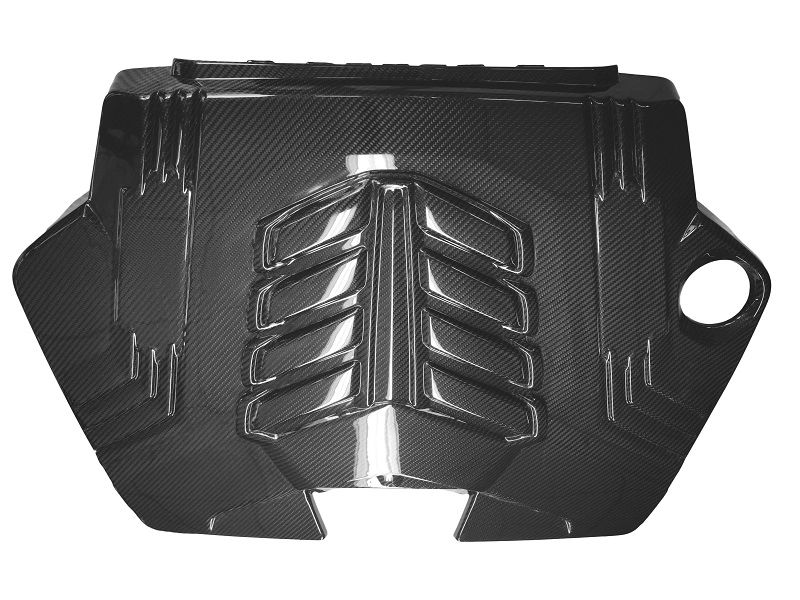
Lamborghini Urus Carbon Fiber Engine Bay Panel
Enhance the visual appearance of your Urus engine bay with these custom carbon fiber engine covers. 100% handmade and a 1:1 copy of the original part, which retains all OEM screw mounting points. Elevate your driving experience with this exquisite addition, showcasing unparalleled craftsmanship and enhancing the allure of your Urus’s engine bay.
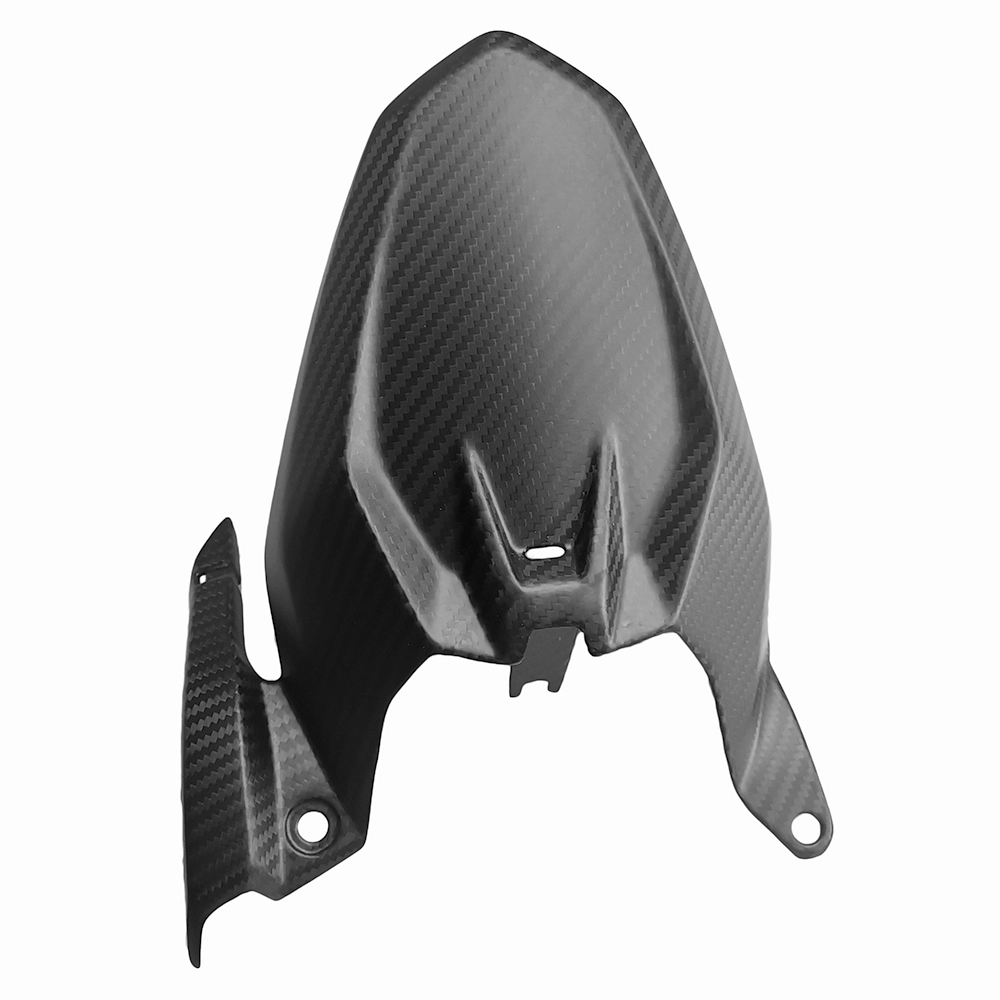
Ducati Monster 937 Carbon Fiber Rear Fender
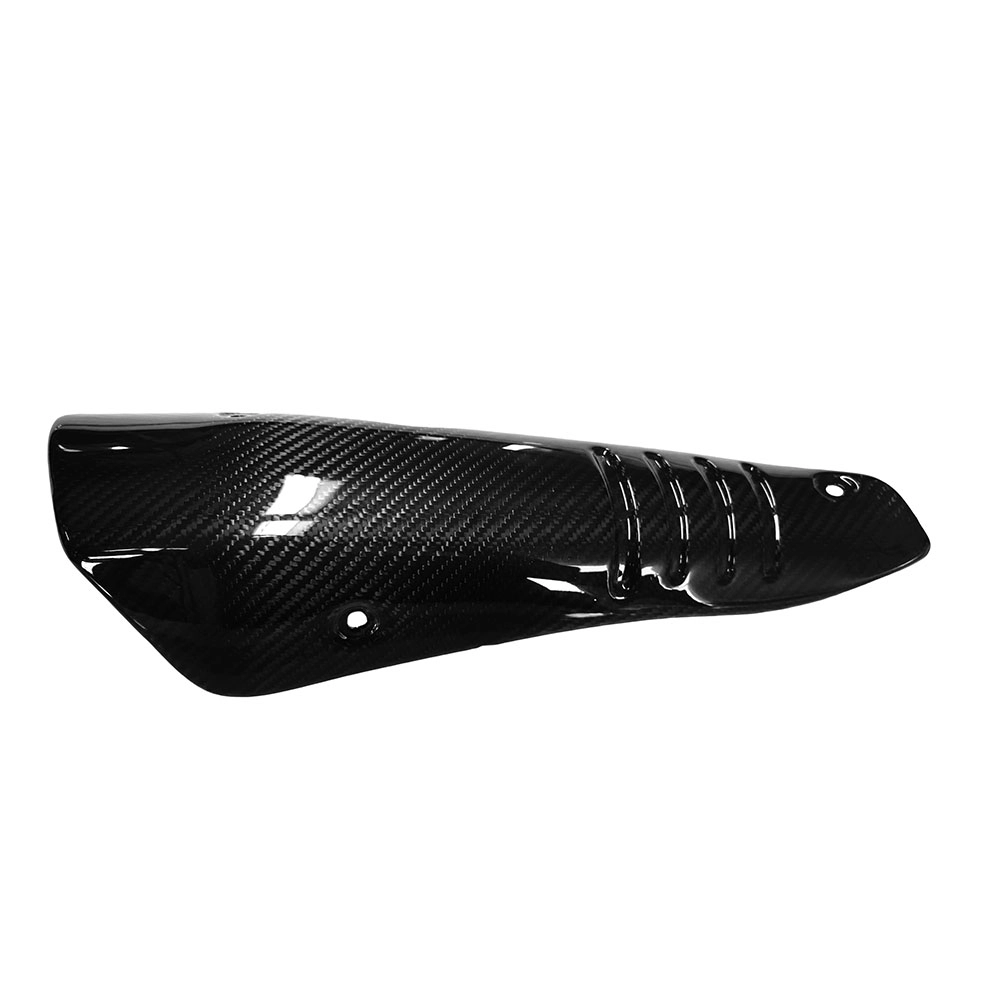
Aprilia Tuono V4 Carbon Fiber Exhaust Cover
Let’s Bring Your Carbon Fiber Ideas to Life
Have a question or inquiry about our carbon fiber composite products? Leave us a message here, and our team will get back to you promptly.
Whether you're interested in custom orders, technical specifications, or partnership opportunities, we're here to assist you.
Please fill out the fields above with your name, email address, and message.

Supreem Carbon aiming to provide customers with high-performance carbon fiber products and quality services.
Contact Supreem Carbon
Address : Building 1 No.103, Yadi Nan 1st Road, QiaoTou Town, Dongguan City, China.
© 2024 Supreem Carbon All Rights Reserved.
Facebook
Pinterest
LinkedIn
Instagram